


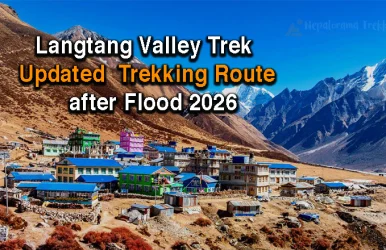
Langtang Valley Trek After Flood follows an alternative route via Thulo Syabru after the August 2026 flash flood. The Bhotekoshi

Team Nepalorama

If you already know the itinerary, cost, and basic details of the Langtang Valley Trek for beginners , this blog is different. Instead of repeating common information, we focus on real experiences, the beginner mindset, practical advice, and the emotional journey. Most blogs talk about distance and altitude, but first-time trekkers don’t worry about kilometers.
They worry about:
Let’s answer these honestly.
The Langtang region, located inside Langtang National Park, gives a very balanced experience. It is close to Kathmandu, yet once you start walking, you feel completely disconnected from city life.
Unlike crowded trails like Everest Base Camp, Langtang feels personal. You walk through forests where you mostly hear rivers, birds, and wind — not helicopter noise.
The First-Time Trekker’s Real Experience
Day 1: “This is exciting.”
Day 3: “My legs are tired.”
Day 5: Watching Langtang Lirung glow at sunrise — “I am stronger than I thought.”
For most first-time trekkers, Day 1 begins with a mix of excitement and nervousness. The journey to the starting point itself feels like an adventure. As the vehicle moves along winding roads, with deep valleys on one side and towering green hills on the other, reality slowly sinks in this is not just a holiday, it is a true adventure.
You may look outside the window and feel a small fear in your heart. “Can I really do this?” you might wonder. The mountains look big, wild, and powerful. Everything feels new and slightly unpredictable.
But the moment you start walking on the trail, something changes. Step by step, your nervousness slowly transforms into confidence. The sound of your boots touching the path, the fresh mountain air, and the peaceful surroundings begin to calm your mind.
Duration: 5–7 Days
Difficulty: Easy to Moderate
Best For: First-time Himalayan trekkers
Drive from Kathmandu to Syabrubesi. Settle in a teahouse, enjoy your first view of Langtang hills, and rest for the trek ahead.
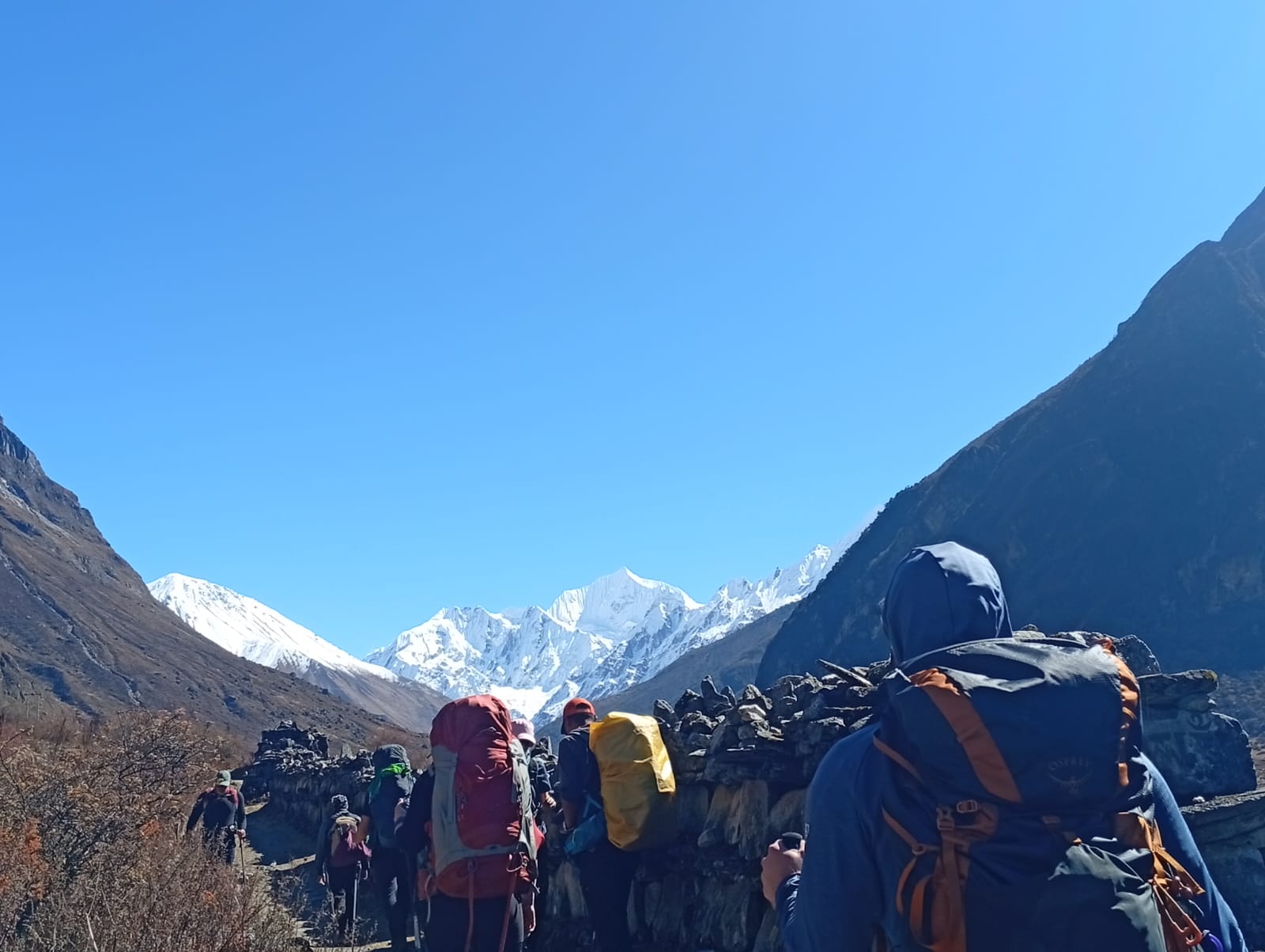
Walk through green forests and small villages. Cross rivers and enjoy peaceful trails. Gradual altitude gain helps your body adjust.
Trek through lush rhododendron forests and open valleys. Explore traditional Tamang villages and local culture.
Climb higher, passing grazing yaks and panoramic views. Reach Kyanjin Gompa, visit the monastery, and enjoy the Himalayan scenery.
Optional early morning hike to Tserko Ri for sunrise. Experience breathtaking views of Langtang Lirung and surrounding peaks. Return to Kyanjin Gompa.
Descend back through valleys and forests. Take it slow, enjoy the peaceful trails, and appreciate the changing landscapes.
Final descent to Syabrubesi and drive back to Kathmandu. Celebrate completing your first Himalayan trek!
One of the most special things about trekking in Langtang is how quickly the scenery transforms. It feels like walking through different worlds in just a few days.
At the beginning, the trail passes through dense green forests. You hear the constant sound of rivers flowing beside you. Bamboo trees, waterfalls, and small suspension bridges make the walk peaceful and refreshing. The air smells fresh, and everything feels alive.
As you climb higher, the thick forest slowly opens into wide valleys. The landscape becomes broader and brighter. You start seeing yaks grazing freely, their bells echoing softly in the wind. Small stone houses appear in traditional Tamang villages. The mountains begin to feel closer now.
Further up, trees disappear and the terrain becomes more rugged. The air turns colder and thinner. Snow-capped peaks surround you. Glaciers shine under the sunlight. Everything feels raw, pure, and powerful.
And then, suddenly, you see Langtang Lirung rising above the valley — bright, massive, and unforgettable.
Photos can never fully capture that moment. The mountain looks so close, almost within reach. Standing there, you don’t just see the mountain — you feel it. The silence, the scale, the beauty — it stays in your heart long after the trek is over.
For many first-time trekkers, Langtang feels safe, welcoming, and achievable. Here’s why:
One of the biggest fears for beginners is altitude. In Langtang, the height increases gradually day by day. Your body gets time to adjust naturally as you walk higher. There is no sudden jump to extreme elevation, which makes the journey feel safer and more manageable.
The teahouse culture in Langtang is warm and personal. Owners often greet you with a smile, serve hot meals with care, and check if you are comfortable. Many beginners say this family-like hospitality gives emotional comfort. After a long walk, sitting near the warm dining room stove feels like home.
The trail is clear, well-marked, and easy to follow. There is no technical climbing, no ropes, and no complicated routes. It is simply steady walking at your own pace. This makes it perfect for those who want adventure without extreme risk.
When you reach Kyanjin Gompa, something changes. The atmosphere feels calm and peaceful.
Prayer flags move with the wind. The mountains stand silent around you. Even if you are not religious, you feel connected to something bigger than yourself.
For many beginners, this becomes the most memorable part of the trek.
The Mental Challenge (More Than Physical)
Physically, Langtang is moderate. But mentally, trekking teaches:
On uphill sections, your legs may feel heavy. But once you reach the top and look back at the valley, you realize your body is stronger than you thought.
This mental growth is something beginners rarely expect — but deeply appreciate.
Early morning hike to Tserko Ri can be challenging. It is cold. It is dark. You question why you woke up so early.
But when the sun slowly touches the peaks, everything becomes golden. The view of Langtang Lirung and surrounding Himalayan ranges creates a moment of silence.
No loud talking. No phone notifications. Just pure nature.
For many first-time trekkers, this sunrise becomes a lifelong memory.
Even though Langtang is beginner-friendly, small mistakes can make the trek harder than it needs to be. The good news? All of them are easy to avoid.
Many beginners feel excited on the first day and walk too quickly. They want to prove their strength. But trekking is not a race.
Walk slowly and maintain a steady rhythm. Follow the simple rule: If you can talk while walking, your pace is perfect. Slow and steady truly wins the trek.
In cold weather, you don’t feel very thirsty. Because of that, many trekkers forget to drink enough water.
Drink water regularly, even if you don’t feel thirsty. Proper hydration helps prevent headaches, fatigue, and altitude-related problems.
It’s common for first-timers to pack “just in case” items. But a heavy backpack quickly becomes your biggest enemy on uphill trails.
Carry only essentials: warm layers, water, snacks, basic medicine, and personal items. Remember — every extra kilo feels heavier at higher altitude.
A mild headache, dizziness, or unusual tiredness can sometimes be early signs of altitude issues.
Always inform your guide early. Small symptoms are easier to manage when addressed quickly. Never ignore your body’s signals.
Trekking in Langtang is not only about mountains — it is also a journey into culture. The local Tamang community has deep Tibetan roots, and their traditions are still alive in everyday life.
As you walk through the villages, you will notice:
You may also hear Buddhist chants in the morning or see colorful prayer flags fluttering against a snowy mountain backdrop. These are not tourist displays — they are part of daily life.
The Langtang Valley Trek is not about extreme challenges or luxury comfort. It offers something beautifully balanced — adventure, culture, and nature in one journey.
This trek is ideal for:
If you are new to the Himalayas, Langtang is a perfect introduction. The gradual altitude, clear trails, and welcoming teahouses make it beginner-friendly without losing the real mountain experience.
Compared to busier routes, Langtang feels quieter and less crowded. You can truly enjoy the sound of rivers, wind, and footsteps without constant traffic of trekkers.
From green forests to glaciers and the dramatic face of Langtang Lirung, the landscape changes quickly and offers endless photo opportunities — especially during sunrise and sunset.
With strong Tibetan-influenced Tamang traditions, ancient monasteries, and yak herding life, the region offers authentic Himalayan culture beyond just mountain views.
Langtang provides a rich Himalayan experience at a more affordable cost compared to some other famous trekking regions. It delivers high value without unnecessary luxury expenses.
Everest Base Camp is iconic, but it is busier and physically more demanding. Langtang offers a quieter introduction to high-altitude trekking.
Annapurna Base Camp is beautiful but includes many steep stair climbs. Langtang feels more gradual and culturally distinct.
At higher altitudes, many first-time trekkers notice their appetite shrinking. This is completely normal — your body is adjusting to thinner air. But keeping your energy up is essential for enjoying the trek safely and comfortably.
Tips for Staying Strong:
Remember: Small, frequent, and smart meals make a big difference. Managing your energy wisely ensures you feel strong, comfortable, and ready to enjoy every breathtaking step of Langtang.
The Langtang trek is more than just a mountain adventure — it’s a journey that teaches lessons for life. First-time trekkers often discover more than stunning landscapes; they experience personal growth and a deeper connection with nature and culture.
When you return to Kathmandu, the city may feel louder and busier than before. That’s because, on the trail, you experienced silence — a rare peace that stays with you long after the trek ends.
Langtang teaches that trekking is not just about reaching the top — it’s about discovering patience, mindfulness, and a sense of calm that transforms the way you see the world.
Langtang After the Earthquake
Langtang Village was one of the areas most affected by the devastating 2015 earthquake. Many homes and lives were lost, and the community faced an enormous challenge to rebuild.
Today, the village stands strong and reconstructed. Walking through Langtang is no longer just about admiring snow-capped peaks — it’s about witnessing human resilience.
For first-time trekkers, this adds an emotional layer to the journey. Every stone house, prayer flag, and teahouse reflects determination, hope, and recovery.
By staying in local teahouses and supporting small businesses, trekkers directly help the community continue to thrive. This makes the Langtang trek not just a scenic adventure, but a meaningful experience that connects you to the people and their inspiring story of recovery.
To keep your blog honest and trustworthy — and Google favors honesty — it’s important to mention that Langtang is not for everyone.
You might want to reconsider if:
Being transparent about what the trek offers builds trust with readers. When they know what to expect, they are more confident in booking the right adventure for themselves — and you create credibility as a trekking guide or travel writer.
For first-time trekkers, choosing the right Himalayan trek can make all the difference. Langtang Valley Trek is ideal because it strikes a perfect balance between adventure, culture, and nature.
Here’s why beginners love it:
The Langtang Valley Trek for beginners is a short-to-moderate Himalayan trek suitable for first-time trekkers. It offers manageable trails, gradual altitude gain, authentic Tamang culture, and breathtaking views of mountains like Langtang Lirung.
Typically, the trek takes 5–7 days from Kathmandu, depending on your pace and optional hikes like Tserko Ri sunrise. It’s designed to be achievable for beginners without extreme altitude challenges.
Yes! The trek has well-marked trails, gradual altitude gain, and friendly teahouses, making it one of the safest Himalayan treks for beginners. Guides are available to help with any health or trekking concerns.
The best seasons are spring (March–May) and autumn (September–November). The weather is stable, the skies are clear, and you get the best views of snow-capped peaks.
The trek gradually increases in altitude, so beginners usually adjust naturally. Staying hydrated, walking slowly, and taking rest days reduces the risk of altitude sickness.
Accommodation is in local teahouses offering warm meals, basic rooms, and friendly hospitality. While not luxurious, it provides a comfortable and authentic experience.
It is moderate in difficulty. Most days involve 4–6 hours of walking on well-defined trails. Beginners with average fitness can complete the trek comfortably.
Essentials include warm clothing, trekking shoes, water bottle, snacks, basic medicine, and a small backpack. Avoid overpacking, as lighter bags make walking easier at altitude.
Compared to Everest or Annapurna Base Camp, Langtang offers less crowded trails, gradual altitude gain, peaceful scenery, and strong cultural experiences, making it perfect for a first Himalayan trek.

Krishna is the Managing Director of our unique Nepal trekking company – Nepalorama Trekking. He has over 20 years of trekking experience in Nepal and has been guiding treks since 2010. He’s well known for his warm sense of humour and cheeky smile. Nepalis are understandably proud of their beautiful country and Krishna is no exception!
Read more Articles by this Author
Langtang Valley Trek After Flood follows an alternative route via Thulo Syabru after the August 2026 flash flood. The Bhotekoshi
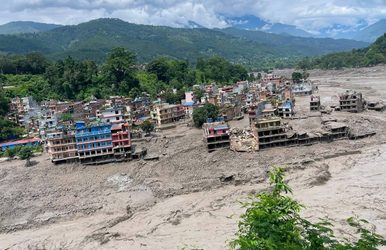
A massive and sudden Bhote Koshi flood struck Rasuwa district on August 26, 2026, after an unusually large surge of

Langtang Valley Trek Packing List Planning to trek in the beautiful Langtang region? One of the most common questions trekkers


Loading please wait...