


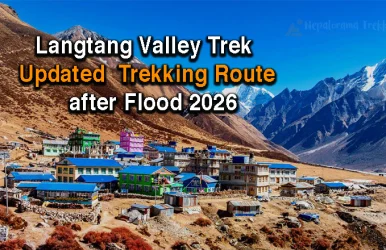
Langtang Valley Trek After Flood follows an alternative route via Thulo Syabru after the August 2026 flash flood. The Bhotekoshi

Team Nepalorama

Planning to trek in the beautiful Langtang region? One of the most common questions trekkers ask before arriving in Nepal is, “What should I pack for the Langtang Valley Trek?”
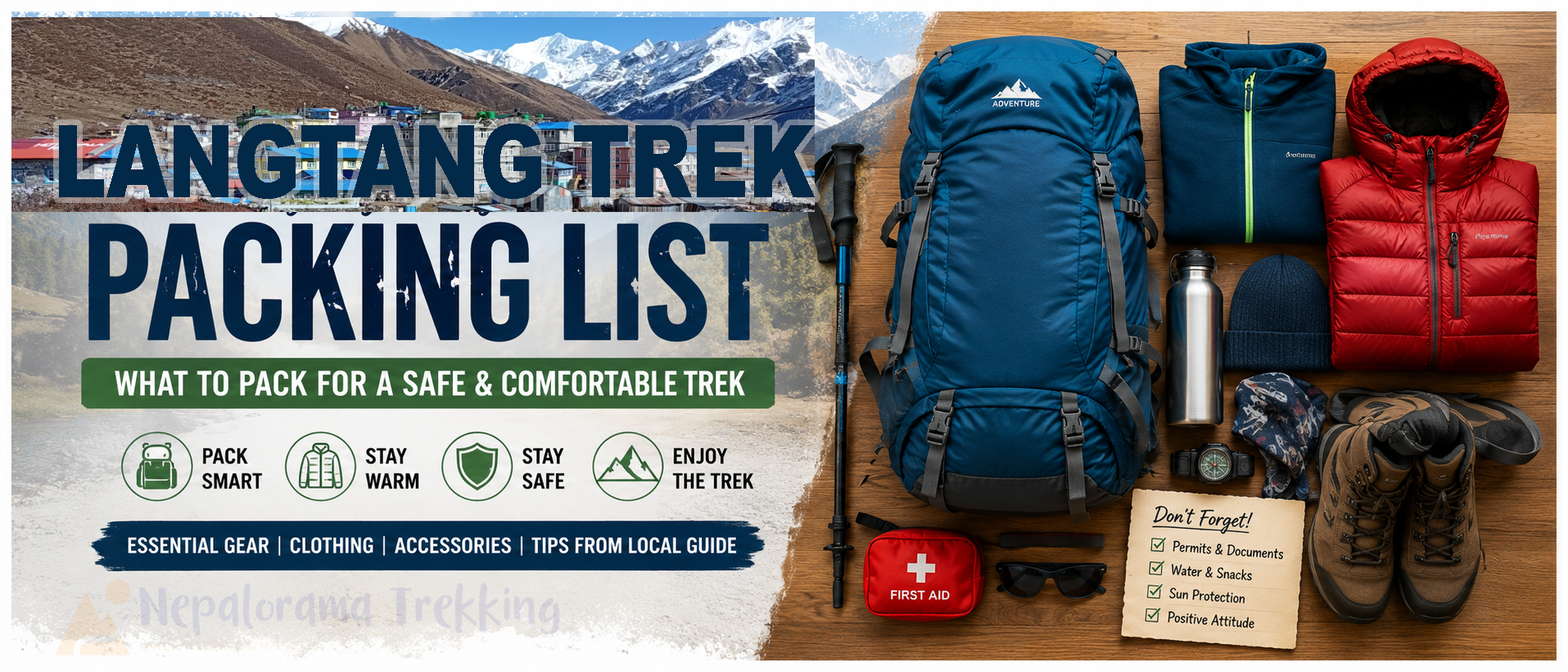
Packing properly can make your trek much more comfortable and enjoyable. Carry too much, and you’ll struggle with a heavy backpack every day. Carry too little, and you may miss important items when you’re walking through remote mountain villages. The Langtang Valley Trek is one of Nepal’s most rewarding trekking routes. It takes you through peaceful forests, traditional Tamang villages, yak pastures, rivers, Buddhist monasteries, and finally to the beautiful village of Kyanjin Gompa. Along the way, you’ll experience different weather conditions. The mornings and evenings can be cold, while the afternoons are often warm and sunny. During the monsoon season, rain is common, and in winter, temperatures can fall well below freezing at night. That is why having a well-planned Langtang Valley Trek packing list is so important.
| Category | Item | Recommended |
| Upper Body | Moisture-wicking T-shirts | 2–3 |
| Long-sleeve trekking shirt | 1 | |
| Fleece jacket | 1 | |
| Down jacket | 1 | |
| Waterproof & windproof jacket | 1 | |
| Thermal base layer | 1 | |
| Lower Body | Trekking pants | 2 |
| Thermal pants | 1 | |
| Waterproof rain pants | 1 | |
| Quick-dry underwear | 2–3 | |
| Footwear | Waterproof trekking boots | 1 Pair |
| Camp shoes / Sandals | 1 Pair | |
| Wool socks | 3–4 Pairs | |
| Lightweight socks | 1–2 Pairs | |
| Head & Hands | Wool hat | 1 |
| Sun hat / Cap | 1 | |
| Neck buff | 1 | |
| Warm gloves | 1 Pair | |
| Lightweight gloves | 1 Pair | |
| Trekking Gear | Backpack (30–50L) | 1 |
| Rain cover | 1 | |
| Trekking poles | 1 Pair | |
| Sleeping bag (-5°C to -10°C) | 1 | |
| Water bottles (2L total) | 2 | |
| Headlamp | 1 | |
| Extra batteries | As Needed | |
| Sunglasses (UV Protection) | 1 | |
| Sunscreen (SPF 30–50) | 1 | |
| Lip balm | 1 | |
| Quick-dry towel | 1 | |
| Toiletries | Toothbrush & Toothpaste | 1 Set |
| Soap / Body wipes | 1 | |
| Hand sanitizer | 1 | |
| Toilet paper | 2 Rolls | |
| Moisturizer | 1 | |
| Deodorant | 1 | |
| Small comb | 1 | |
| First Aid Kit | Diamox (If prescribed) | ✔ |
| Paracetamol | ✔ | |
| Ibuprofen | ✔ | |
| ORS | ✔ | |
| Bandages | ✔ | |
| Antiseptic cream | ✔ | |
| Water purification tablets | ✔ | |
| Personal medicines | ✔ | |
| Electronics | Mobile phone | 1 |
| Power bank (10,000–20,000mAh) | 1 | |
| Charging cables | ✔ | |
| Nepal travel adapter | 1 | |
| Camera (Optional) | 1 | |
| Extra batteries | ✔ | |
| Documents | Passport | ✔ |
| Passport copies | 2–3 | |
| Langtang National Park Permit | ✔ | |
| TIMS Card (if required) | ✔ | |
| Travel Insurance | ✔ | |
| Cash (NPR) | ✔ | |
| Snacks | Energy bars | 4–6 |
| Mixed nuts | 1 Pack | |
| Chocolate | 2–3 | |
| Electrolyte powder | 4–6 Packs | |
| Optional Items | Gaiters (Winter) | Optional |
| Hot water bottle | Optional | |
| Notebook & Pen | Optional | |
| Kindle / Book | Optional |
Before deciding what to pack, it’s important to understand the weather conditions you’ll experience during the trek.
The Langtang Valley Trek starts at a lower elevation where temperatures are relatively mild. As you climb higher toward Kyanjin Gompa and nearby viewpoints like Tserko Ri, the air becomes thinner and significantly colder.
| Season | Day Temperature | Night Temperature |
| Spring (March–May) | 10°C to 20°C | -5°C to 5°C |
| Summer (June–August) | 15°C to 25°C | 5°C to 10°C |
| Autumn (September–November) | 10°C to 18°C | -5°C to 5°C |
| Winter (December–February) | 5°C to 10°C | -15°C to -5°C |
Choosing the right clothing is one of the most important parts of your preparation. Your clothing should keep you warm, dry, and comfortable while remaining lightweight and easy to pack.
The best approach is to use the three-layer system.
Base Layer
The base layer sits directly against your skin and helps move sweat away from your body. Staying dry is essential because wet clothing can quickly make you feel cold at higher altitudes.
Pack:
Avoid cotton clothing whenever possible because it absorbs moisture and takes a long time to dry.
Mid Layer
Your mid-layer provides insulation and keeps your body warm.
Fleece Jacket : A warm fleece jacket is perfect for early mornings, evenings, and tea house stays. It provides warmth without adding much weight.
Down Jacket : A lightweight down jacket is highly recommended for higher elevations. During the night in Kyanjin Gompa, temperatures often fall below freezing, even during the trekking season.
If you’re trekking with our company, we can also arrange a quality down jacket for rent in Kathmandu.
Outer Layer
The weather in Langtang can change unexpectedly. A waterproof outer layer protects you from rain, snow, and strong mountain winds.
Lower Body Clothing
Comfortable trekking pants are much better than jeans or heavy trousers.
Head Protection
Many trekkers underestimate how strong the Himalayan sun can be. At the same time, mornings and evenings are often very cold.
Your packing list should include:
Gloves
Bring two types of gloves.
Useful while walking during mild temperatures.
Warm Insulated Gloves
Essential if you’re trekking during autumn, winter, or early spring.
Best Footwear for Langtang Valley Trek
Your trekking boots are probably the most important piece of equipment you’ll carry.
A good pair of boots can prevent blisters, improve balance, and make long walking days much more comfortable.
Choose boots that offer:
Most importantly, wear your boots before coming to Nepal. Never start the Langtang Trek with brand-new boots.
Camp Shoes : After walking all day, it’s nice to remove your trekking boots.
Socks : Good socks are just as important as good boots.
Changing into dry socks every evening helps prevent blisters and keeps your feet healthy during the trek.
Besides clothing, you’ll need several important trekking accessories.
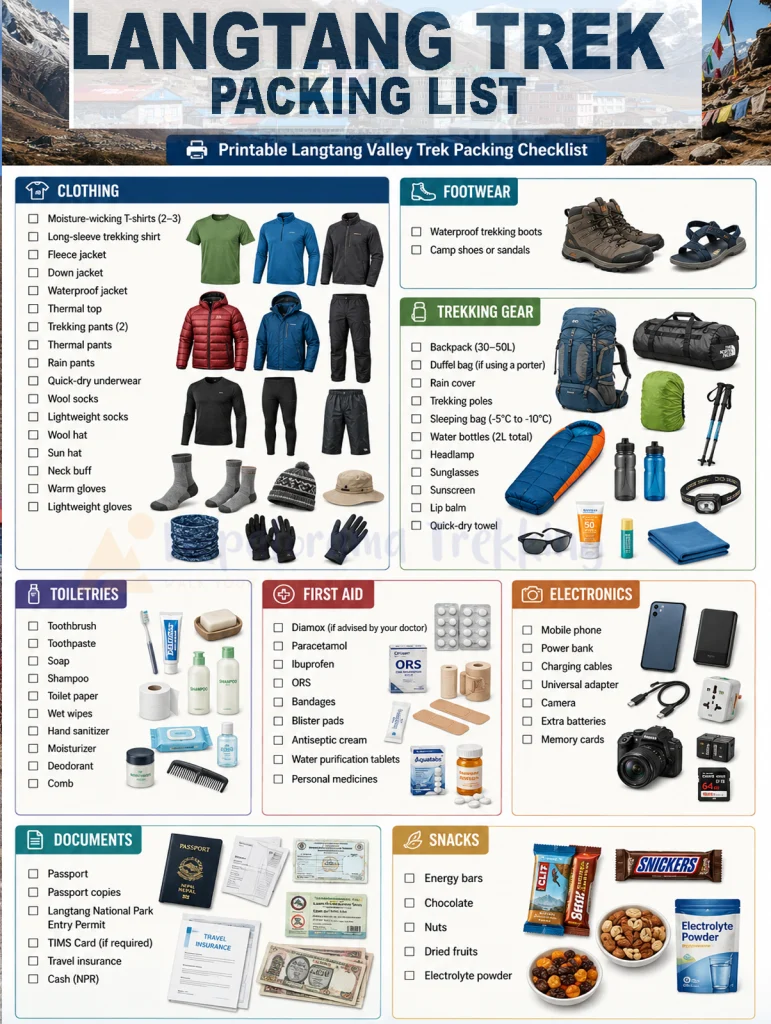
Trekking Poles : Trekking poles make a big difference on the Langtang trail. They helpa
Sleeping Bag
Although tea houses provide blankets, they may not always be warm enough during colder months.
We recommend bringing a sleeping bag rated between -5°C and -10°C.
Many trekking companies, including ours, offer sleeping bag rentals in Kathmandu, so you don’t need to buy one for a single trip.
Backpack (30–50 Litres)
Duffel Bag (If Hiring a Porter)
Most trekkers hire a porter to carry their main luggage.
In that case, pack your extra clothing and larger items in a waterproof duffel bag while keeping important valuables in your daypack.
Rain Cover
Even during the dry trekking seasons, weather can change quickly.
Always carry a waterproof rain cover for your backpack to keep your clothes and electronics dry.
Water Bottles
Carry enough bottles to hold at least 2 litres of drinking water.
Reusable bottles are recommended to reduce plastic waste in the mountains.
Many trekkers also carry an insulated bottle during winter to prevent water from becoming too cold.
Headlamp
Electricity is available in most tea houses, but power cuts are common.
A headlamp is useful for:
Don’t forget to pack extra batteries or ensure your headlamp is rechargeable.
Even though the Langtang Valley Trek is considered a moderate trek, carrying a basic first aid kit is always a good idea. You don’t need a large medical bag, but a few essential medicines can make your journey much more comfortable.
Recommended Medicines
Diamox (Acetazolamide) : Diamox is commonly used to help prevent Acute Mountain Sickness (AMS). While many trekkers carry it, you should only take it after consulting your doctor or trekking guide.
Paracetamol : Useful for headaches, mild fever, muscle pain, or general body aches after a long day of trekking.
Ibuprofen : Helps reduce inflammation and relieve muscle soreness, especially after steep ascents or descents.
Oral Rehydration Salts (ORS) : Trekking at higher altitudes can lead to dehydration. ORS helps replace lost fluids and minerals.
Water Purification Tablets : Safe drinking water is essential. Purification tablets are lightweight and useful if you refill bottles from local taps or natural water sources.
Antiseptic Cream : Useful for treating small cuts, scratches, or blisters.
Bandages and Blister Pads : Blisters are one of the most common issues on multi-day treks. Carry blister plasters, adhesive bandages, and medical tape.
Personal Medication : If you take prescription medicine, bring enough for the entire trek, plus a few extra days in case of delays.
Electricity is available in most teahouses along the Langtang route, but charging your devices usually comes with an additional fee. Power can also be limited in remote villages.
Packing a few essential electronics will help you stay connected and capture unforgettable memories.
Must-Have Electronics
Mobile Phone
Your smartphone is useful for communication, maps, photography, and emergency contact.
Power Bank (10,000–20,000 mAh)
A power bank is one of the most useful items you can carry. It allows you to charge your phone, camera, or smartwatch when electricity isn’t available.
Charging Cables
Bring charging cables for all your devices and consider carrying a spare cable.
Nepal Travel Adapter
Nepal mainly uses Type C, D, and M plugs. A universal travel adapter is the easiest option for international travelers.
Optional Electronics
Depending on your interests, you may also pack:
Cold temperatures drain batteries much faster than usual. Keep spare batteries inside your jacket at night to help them retain their charge.
Teahouses provide breakfast, lunch, and dinner, but carrying your own snacks is always a good idea.
Small snacks help maintain your energy between villages, especially during longer hiking days.
Recommended Trekking Snacks
There are no ATMs after leaving Kathmandu for the Langtang trekking route. Although some villages accept digital payments, cash is still the most reliable option.
Carry enough Nepalese Rupees (NPR) to cover:
Avoid carrying large amounts of foreign currency on the trail.
The items you pack depend on the season you choose for trekking.
Spring (March to May)
Pack
Summer / Monsoon (June to August)
Pack
Autumn (September to November)
Pack
Winter (December to February)
Pack
After guiding many trekkers in the Langtang region, here are a few simple tips that can make your trek more comfortable and enjoyable.
Local Guide’s Advice: The lighter your backpack, the more you’ll enjoy the Langtang Valley Trek. Pack only what you need and focus on comfort, safety, and staying warm rather than carrying unnecessary items.
How to Organize Your Backpack
A well-organized backpack makes trekking much easier.
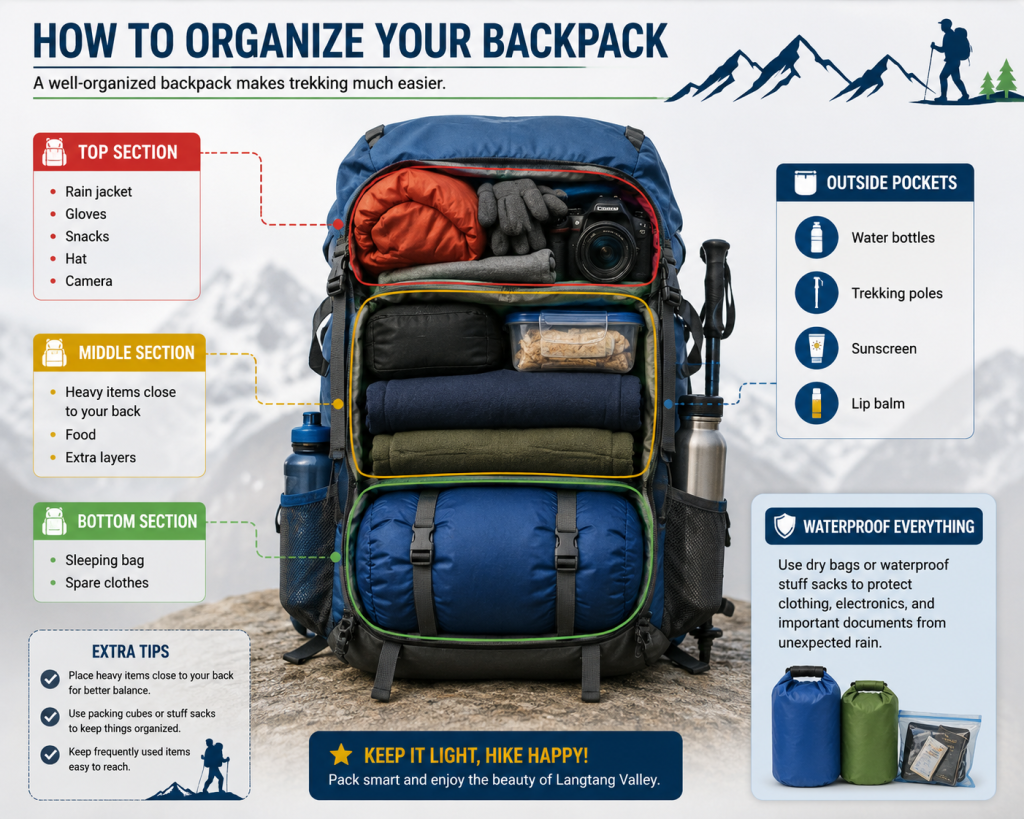
| Backpack Section | What to Pack | Why It Goes Here |
| Bottom Section | Sleeping bag, spare clothes, camp clothes | These items are only needed at the teahouse, so they can stay at the bottom of your backpack. |
| Middle Section | Heavy items, food, extra clothing layers | Keeping heavier gear close to your back improves balance and reduces strain while hiking. |
| Top Section | Rain jacket, fleece, gloves, hat, snacks, camera | Store frequently used items on top so you can grab them quickly without unpacking everything. |
| Side Pockets | Water bottles, trekking poles, umbrella | Easy access while walking without stopping or opening your backpack. |
| Front Pocket | Sunscreen, lip balm, sunglasses, map, tissues | Small essentials that you may need several times during the day. |
| Hidden Pocket | Passport, permits, cash, travel insurance, phone |
Can You Rent Trekking Gear in Kathmandu?
Yes. If you don’t own trekking equipment, Kathmandu has many rental shops offering quality gear at affordable prices.
Items commonly available for rent include:
Renting gear is a great option if you’re visiting Nepal for one trek and don’t want to invest in expensive equipment.
At Nepal Orama Trekking, we can also help our guests arrange clean and reliable trekking equipment before the trip begins.
Should You Hire a Porter?
Hiring a porter is not compulsory, but it can make your trek much more comfortable.
A porter carries your main duffel bag while you only carry a light daypack with your daily essentials.
This allows you to enjoy the trail without feeling exhausted from carrying a heavy backpack.
A typical daypack should include:
If you’re trekking independently without a porter, try to keep your backpack under 12–15 kg.
How Heavy Should Your Backpack Be?
One of the biggest mistakes trekkers make is carrying too much weight.
As a general guide:
| Trekker | Recommended Backpack Weight |
| With Porter | 5–7 kg daypack |
| Without Porter | 10–15 kg |
| Photographer | 12–16 kg (depending on camera gear) |
A lighter backpack means:
Remember, every kilogram feels heavier after several hours of walking uphill.
Packing the right gear is one of the most important steps before any trek in Nepal. Whether you’re trekking to Langtang Valley, Everest Base Camp, Annapurna Base Camp, or the Manaslu Circuit, carrying lightweight, weather-appropriate equipment will help you stay comfortable and safe. Focus on essential clothing, reliable trekking gear, personal hygiene items, a basic first aid kit, and important travel documents. Pack light, dress in layers, and avoid unnecessary items to make your trekking experience easier and more enjoyable. You can Download Checklist
A good pair of waterproof trekking boots is one of the most important items because you’ll spend several days walking on uneven mountain trails.
Yes. Most trekking gear, including down jackets, sleeping bags, trekking poles, and duffel bags, can be rented in Kathmandu
Yes. Although teahouses provide blankets, a sleeping bag rated for -5°C to -10°C offers extra warmth and comfort, especially in autumn and winter.
Pack enough for layering rather than one outfit per day. Quick-dry clothing can be washed and reused during the trek.
Some teahouses offer basic laundry services or allow hand washing, but clothes may take longer to dry in cold weather.
Yes. There are no reliable ATMs along the trekking route, so carry enough Nepalese Rupees for accommodation, meals, and personal expenses.
Yes. The Langtang Valley Trek is suitable for beginners with a reasonable level of fitness. Proper preparation and a well-planned packing list will help make the experience more enjoyable.

Krishna is the Managing Director of our unique Nepal trekking company – Nepalorama Trekking. He has over 20 years of trekking experience in Nepal and has been guiding treks since 2010. He’s well known for his warm sense of humour and cheeky smile. Nepalis are understandably proud of their beautiful country and Krishna is no exception!
Read more Articles by this Author
Langtang Valley Trek After Flood follows an alternative route via Thulo Syabru after the August 2026 flash flood. The Bhotekoshi
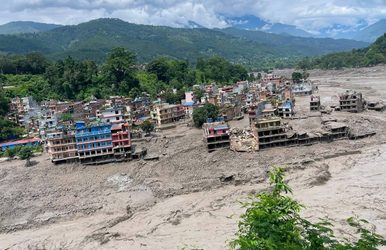
A massive and sudden Bhote Koshi flood struck Rasuwa district on August 26, 2026, after an unusually large surge of
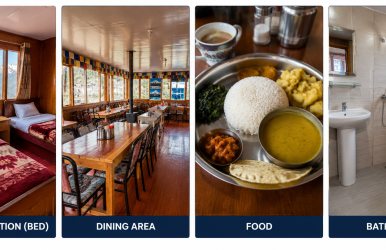
Best Food, Tea Houses, Lodges & Stay Experience in Langtang Valley Trek The Langtang Valley Trek food and accommodation experience


Loading please wait...