



Langtang Valley Trek After Flood follows an alternative route via Thulo Syabru after the August 2026 flash flood. The Bhotekoshi

Team Nepalorama

The Langtang Valley Trek food and accommodation experience is one of the key reasons why this trekking route is so popular in Nepal. The trek is famous for beautiful mountain views, peaceful villages, glaciers, monasteries, and unique Tamang culture. Along with the amazing scenery, many trekkers also want to know about the Langtang Valley Trek food and accommodation available during the journey.
If you are planning the Langtang Valley Trek food and accommodation, it is helpful to understand what kind of food, tea houses, and lodge facilities you can expect on the trail. Knowing about rooms, meals, internet, hot showers, and drinking water can help you prepare for the trek more easily.
During the Langtang Valley Trek food and accommodation experience, trekkers usually stay in local tea houses and lodges run by local families. The accommodation is simple but comfortable for mountain trekking. You can find basic rooms, warm dining halls, and friendly hospitality throughout the route.
Food on the trek is also good and suitable for trekking. Most tea houses serve popular meals like Dal Bhat, noodles, fried rice, soup, Tibetan bread, pancakes, tea, and coffee. Vegetarian food is available in almost every village, making the Langtang Valley Trek food and accommodation experience suitable for all types of trekkers.
In this guide, you will learn about the Langtang Valley Trek food and accommodation, tea houses, room facilities, meals, drinks, hot showers, WiFi, and overall stay experience during the trek.
During the Langtang Valley Trek, accommodation is mainly simple and locally operated. Trekkers usually stay in tea houses, local lodges, guest houses, and basic mountain hotels along the trail. These places are run by local families and provide a warm and friendly environment for trekkers. The Langtang Valley Trek accommodation is not luxury, but it is comfortable enough for resting after a long day of walking in the mountains.
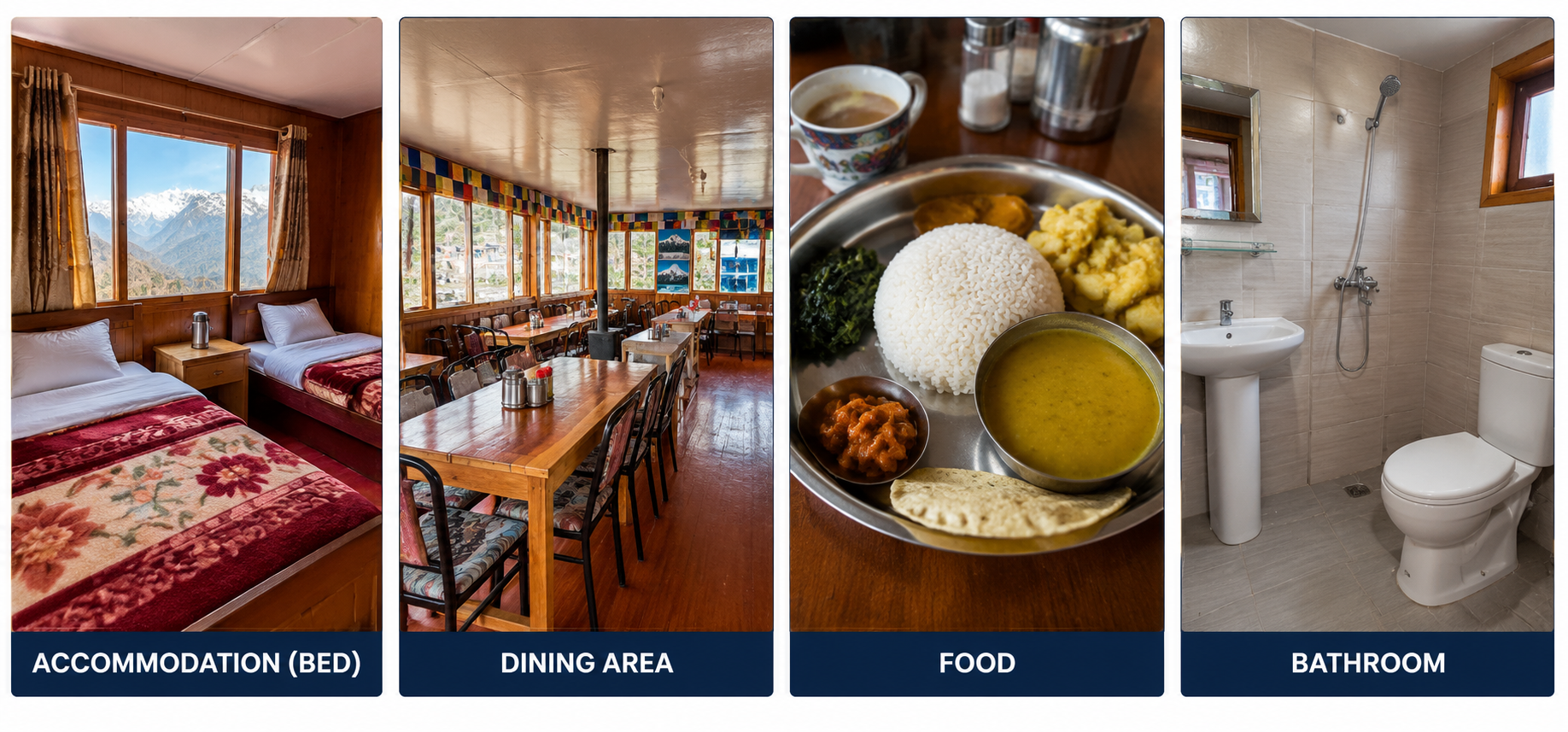
Most trekkers choose tea house accommodation in Langtang Valley Trek because it is the most common and easily available option in every village. These tea houses offer basic but useful facilities such as private twin-sharing rooms, beds with blankets, and a simple setup for overnight stay. Inside the tea houses, there is usually a shared dining hall where trekkers sit together and enjoy meals near a warm fire, which makes the mountain experience more enjoyable.
The rooms in the Langtang Valley Trek tea houses are very simple, but they provide everything needed for a good rest. You will also find shared bathrooms, basic toilet facilities, and sometimes hot water for washing. Many tea houses also offer charging facilities for electronic devices and hot drinking water for trekkers. Overall, the Langtang Valley Trek lodging experience is basic but very welcoming, and it gives you a chance to experience real Himalayan lifestyle and local hospitality. They Provide:
The tea houses on the Langtang Valley Trek are simple but warm and welcoming.
The room facilities in the Langtang Valley Trek vary according to altitude and village size.
Syabrubesi Accommodation
Syabrubesi is the main starting point of the Langtang Valley Trek and offers the best accommodation options before entering the trekking trail. The village has many hotels, lodges, and guest houses, making it a comfortable place for trekkers to stay overnight. Compared to higher villages on the trek, Syabrubesi accommodation is more developed and offers better facilities.
Most lodges in Syabrubesi provide clean rooms with twin beds, attached or shared bathrooms, and warm blankets. The rooms are simple but more comfortable than tea houses in higher mountain areas. Many Syabrubesi hotels and lodges also have hot showers, electricity, and charging facilities, which help trekkers prepare before starting the journey.
Food is also easily available in Syabrubesi. You can find Nepali meals like Dal Bhat, as well as noodles, fried rice, soups, eggs, and simple breakfast options. Some lodges also offer small shops or restaurants where trekkers can relax before beginning the Langtang Valley Trek.
Lama Hotel is one of the main rest points on the Langtang Valley Trek route, located inside a forest area at around 2,470 meters. It is not a single hotel but a small settlement with many tea houses and lodges.
The accommodation in Lama Hotel is basic but good for trekkers. Rooms usually have twin beds, simple mattresses, blankets, and pillows. Bathrooms are mostly shared and located outside the rooms. Hot showers are available in some lodges, but they may cost extra depending on water and gas availability.
Most tea houses also provide a warm dining hall where trekkers eat together. Food like Dal Bhat, noodles, soup, fried rice, and breakfast items are commonly available. The dining area is usually heated by a stove, making it a cozy place to relax in the evening.
Overall, Lama Hotel accommodation in Langtang Valley Trek is simple, natural, and perfect for resting after a long day of walking through the forest trail.
Sherpa Gaun is a peaceful village located on an alternative route of the Langtang Valley Trek. It is less crowded compared to Lama Hotel and offers a more quiet and cultural experience.
The accommodation in Sherpa Gaun is mainly small family-run tea houses and lodges. Rooms are simple with twin beds, warm blankets, and shared bathrooms. Some lodges may also provide hot showers using solar or gas heating, depending on availability.
Food is home-style and freshly prepared by local families. You can enjoy traditional Nepali meals like Dal Bhat, Tibetan bread, soups, and simple vegetable dishes. The hospitality here is very friendly, and trekkers often enjoy a peaceful stay with beautiful views of the surrounding hills.
In short, Sherpa Gaun accommodation in Langtang Valley Trek is quiet, cultural, and a great alternative for trekkers who want a less crowded experience.
Higher Region Accommodation
In the higher region of the Langtang Valley Trek, accommodation becomes more basic because of the remote Himalayan location and colder weather. The main villages in this area are Langtang Village and Kyanjin Gompa, where trekkers stay in simple tea houses and lodges run by local Tamang families.
The Langtang Village accommodation is simple but comfortable enough for trekkers. Most tea houses provide twin-sharing rooms with basic beds, blankets, and pillows. The rooms are small, and walls are usually thin, so it can feel cold at night, especially in winter. Bathrooms are shared, and hot showers may be available in some lodges for an extra cost.
Food in Langtang Village is freshly prepared and includes options like Dal Bhat, noodles, soup, fried rice, and Tibetan bread. Dining halls are often heated with a stove, making it a warm place to relax after trekking. Overall, Langtang Village tea houses offer a simple but authentic Himalayan stay experience.
Kyanjin Gompa accommodation is one of the highlights of the Langtang Valley Trek. This village is the final major stop and offers stunning views of mountains and glaciers. The tea houses here are also basic but very welcoming.
Rooms in Kyanjin Gompa usually include twin beds, blankets, and shared bathrooms. Because of the high altitude, facilities are limited, and hot water or electricity may not always be available. However, some lodges provide solar charging and hot showers depending on weather conditions.
Food options are similar to other villages but slightly more expensive due to transportation difficulty. You can enjoy Dal Bhat, pasta, noodles, soups, pancakes, and even fresh bakery items in some lodges.
Despite basic facilities, Kyanjin Gompa accommodation in Langtang Valley Trek is very special because of the peaceful environment, mountain views, and famous local cheese factory.
The Langtang Valley Trek food is simple, fresh, and quite varied considering the remote mountain region. Along the trail, most meals are prepared in local tea houses every day. The food is made to give energy for trekking and to keep trekkers warm in the cold Himalayan weather.
During the Langtang Valley Trek, you can find a mix of Nepali food, Tibetan food, continental dishes, vegetarian meals, soups, and snacks. Nepali food like Dal Bhat is the most common and popular meal because it provides high energy and is often served with unlimited refills. Tibetan food such as noodles, thukpa, and Tibetan bread is also widely available and very suitable for cold conditions.
Tea houses also serve simple continental dishes like pasta, fried rice, omelets, pancakes, and sandwiches. These are common in most villages along the trek route. Vegetarian meals are available everywhere, and many trekkers prefer them for easier digestion at high altitude.
In addition, soups and hot drinks are very important during the Langtang Valley Trek food experience. Garlic soup, vegetable soup, noodle soup, tea, coffee, and hot lemon drinks help keep the body warm and hydrated during the trek.
Dal Bhat
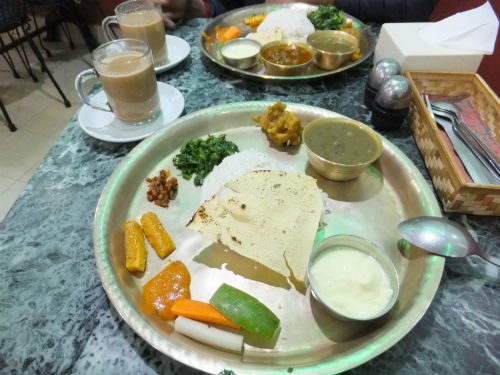
Dal Bhat is the most popular and common food in the Langtang Valley Trek and in almost all trekking routes of Nepal. It is a complete and balanced meal that gives enough energy for long walking days in the mountains.
Dal Bhat usually includes simple but healthy items such as rice, lentil soup (dal), seasonal vegetables, pickle (achar), and vegetable or meat curry. In many tea houses along the Langtang Valley Trek, Dal Bhat is served fresh and often comes with unlimited refills, which makes it very popular among trekkers.
Because it is rich in energy, easy to digest, and freshly prepared, Dal Bhat is highly recommended during the Langtang Valley Trek food experience. Most trekkers eat it in the evening to recover energy after a long day of hiking and also sometimes for lunch on the trail.
Tibetan Bread
Tibetan Bread is one of the most popular breakfast items during the Langtang Valley Trek. It is soft, slightly fried bread that is freshly prepared in tea houses every morning. Many trekkers enjoy it because it is simple, tasty, and gives quick energy for the day’s hike.
In most tea houses along the Langtang Valley Trek route, Tibetan bread is served with different side options such as honey, jam, peanut butter, and fried eggs. Some lodges also serve it with butter or cheese depending on availability.
This breakfast is very common in the Langtang Valley Trek food menu because it is easy to cook and suitable for cold mountain mornings. Trekkers often prefer Tibetan bread as a light and warm breakfast before starting their trekking journey.
Noodles and Soup
Noodles and soup are very popular meals during the Langtang Valley Trek, especially in cold weather and after long walking days. These warm foods are easy to digest and help keep the body warm in the high mountains.
Warm noodle soup is commonly served in almost every tea house along the Langtang Valley Trek route. It is light, filling, and perfect for evening meals when trekkers need rest and energy recovery.
Popular options include veg noodle soup, garlic soup, thukpa, and ramen. Thukpa is a traditional Tibetan noodle soup that is very common in the Langtang region and is loved by most trekkers for its taste and warmth. Ramen and veg noodle soup are also widely available and provide quick energy.
Among all, garlic soup is highly recommended during the Langtang Valley Trek because it helps with acclimatization and keeps the body warm at higher altitude. Many trekkers prefer having garlic soup daily once they go above Langtang Village.
Momos
Momos are one of the most loved foods during the Langtang Valley Trek. They are traditional Nepali dumplings that are freshly prepared in almost every tea house along the trekking route. Trekkers often enjoy momos as a snack or light meal after a long walking day.
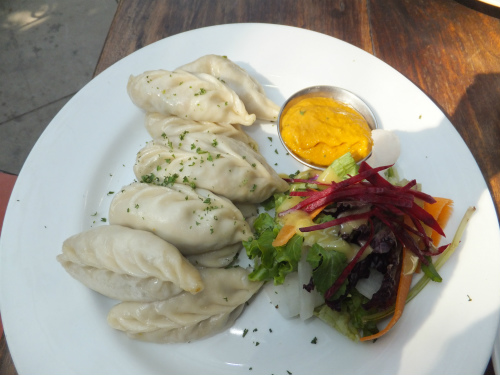
In the Langtang Valley Trek food menu, momos are usually filled with different ingredients such as vegetables, cheese, potato, and sometimes meat. Vegetable momos are the most common and widely available, especially in higher villages where fresh meat supply is limited.
Momos are served steamed or sometimes fried, depending on the tea house. They are usually served with a simple spicy sauce or pickle, which makes them more tasty. Because they are soft, warm, and easy to eat, momos are very popular among trekkers of all ages.
Fried Rice and Pasta
During the Langtang Valley Trek, many tea houses also serve simple international-style meals like fried rice and pasta. These foods are popular because they are filling, easy to cook, and suitable for trekkers who want a quick and tasty meal after hiking.
In most villages along the Langtang Valley Trek route, you can find options such as fried rice, spaghetti, macaroni, and chowmein. Fried rice is one of the most common choices because it provides good energy and is available in both vegetarian and egg versions.
Pasta dishes like spaghetti and macaroni are also available in many lodges. They are usually prepared in a simple way with vegetables, sauce, or sometimes cheese. Chowmein is another popular item in the Langtang Valley Trek food menu, especially for trekkers who want something spicy and filling.
Vegetarian Food in Langtang Valley Trek
Vegetarian food is widely available throughout the Langtang Valley Trek.
Most trekkers prefer vegetarian meals because:
Common vegetarian meals include:
Breakfast Options During Langtang Valley Trek
Breakfast menus in the Langtang Valley Trek often include:
Hot breakfasts are important before starting daily hikes in cold Himalayan weather.
Drinks Available in Langtang Valley Trek
Trekkers can enjoy many hot drinks including:
Ginger honey lemon tea is highly recommended during the Langtang Valley Trek because it helps keep the body warm.
Drinking Water During Langtang Valley Trek
Safe drinking water is extremely important.
Options include:
Most trekkers avoid buying plastic bottles to reduce environmental waste in the Himalayas.
Do Tea Houses Have WiFi and Charging Facilities?
Yes, many tea houses on the Langtang Valley Trek offer :Mobile network Charging services
but Internet becomes slower at higher altitude,Charging may cost extra,Electricity sometimes depends on solar power
It is recommended to carry:
Hot Shower Facilities in Langtang Valley Trek
Many tea houses provide hot showers for an additional cost.
Types of showers include:
Hot showers are more available in lower villages than in higher Himalayan settlements.
How Much Does Food and Accommodation Cost in Langtang Valley Trek?
The cost of food and accommodation in the Langtang Valley Trek changes depending on altitude. As you go higher, prices increase because transportation becomes more difficult. All supplies like food items and fuel are carried by porters or mules, which makes things more expensive in remote areas.
In the lower region of the Langtang Valley Trek, such as Syabrubesi and nearby villages, accommodation is more budget-friendly. You can find many simple tea houses and lodges at affordable prices with basic facilities like twin beds, shared bathrooms, and warm dining areas.
As you move to higher places like Langtang Village and Kyanjin Gompa, the Langtang Trek accommodation cost becomes slightly higher. This is because of limited resources and difficult transportation. Even though prices increase, the lodges are still simple and provide basic comfort for trekkers.
The food cost in the Langtang Valley Trek also increases with altitude. Meals become more expensive in higher regions because all ingredients must be carried up the mountain. Despite this, tea houses serve fresh and filling meals for trekkers.
Popular trekking meals in the Langtang Valley Trek food menu include Dal Bhat, fried rice, noodles, pancakes, and soup. Dal Bhat is often the best value meal because it is filling and sometimes comes with refills.
Is Langtang Valley Trek Food Safe?
Yes, the food in the Langtang Valley Trek is generally safe for trekkers, especially if you follow some basic health and hygiene precautions. Most tea houses prepare meals fresh every day, and the food is simple, warm, and suitable for high-altitude trekking.
During the Langtang Valley Trek food experience, it is always recommended to eat freshly cooked meals because they are safer and easier to digest. Avoiding raw or undercooked meat is also important, especially in higher villages where storage conditions are limited.
Trekkers should always drink purified water, boiled water, or treated water instead of untreated tap or stream water. Staying well-hydrated is very important during the Langtang Valley Trek because it helps with energy, digestion, and altitude adjustment.
It is also advised to avoid excessive alcohol at high altitude, as it can affect hydration and acclimatization. Instead, hot drinks like tea, soup, or lemon ginger honey drinks are better choices.
What food is available in Langtang Valley Trek?
Trekkers can enjoy Dal Bhat, noodles, soup, Tibetan bread, momos, pasta, fried rice, pancakes, tea, coffee, and many vegetarian meals.
Where do trekkers stay during Langtang Valley Trek?
Trekkers usually stay in tea houses, lodges, and local guest houses operated by local families.
Why is Dal Bhat popular in Langtang Valley Trek?
Dal Bhat provides high energy, nutrition, and unlimited refills, making it ideal for long trekking days.
When is accommodation crowded in Langtang Valley Trek?
Accommodation becomes crowded during peak trekking seasons:
Which village has the best accommodation in Langtang Valley Trek?
Kyanjin Gompa is considered one of the best overnight stops because of its scenery, tea houses, bakeries, and mountain atmosphere.
How much does food cost in Langtang Valley Trek?
Food prices increase with altitude because transportation becomes more difficult in remote mountain regions.

Krishna is the Managing Director of our unique Nepal trekking company – Nepalorama Trekking. He has over 20 years of trekking experience in Nepal and has been guiding treks since 2010. He’s well known for his warm sense of humour and cheeky smile. Nepalis are understandably proud of their beautiful country and Krishna is no exception!
Read more Articles by this Author
Langtang Valley Trek After Flood follows an alternative route via Thulo Syabru after the August 2026 flash flood. The Bhotekoshi
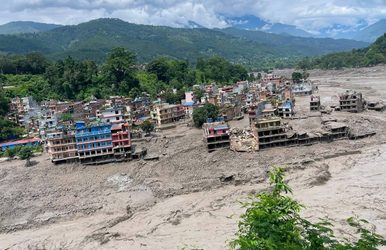
A massive and sudden Bhote Koshi flood struck Rasuwa district on August 26, 2026, after an unusually large surge of

Langtang Valley Trek Packing List Planning to trek in the beautiful Langtang region? One of the most common questions trekkers


Loading please wait...