


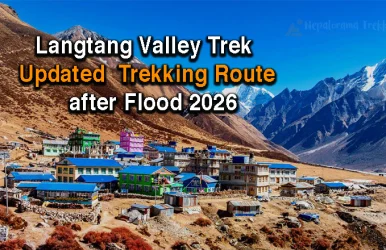
Langtang Valley Trek After Flood follows an alternative route via Thulo Syabru after the August 2026 flash flood. The Bhotekoshi

Team Nepalorama

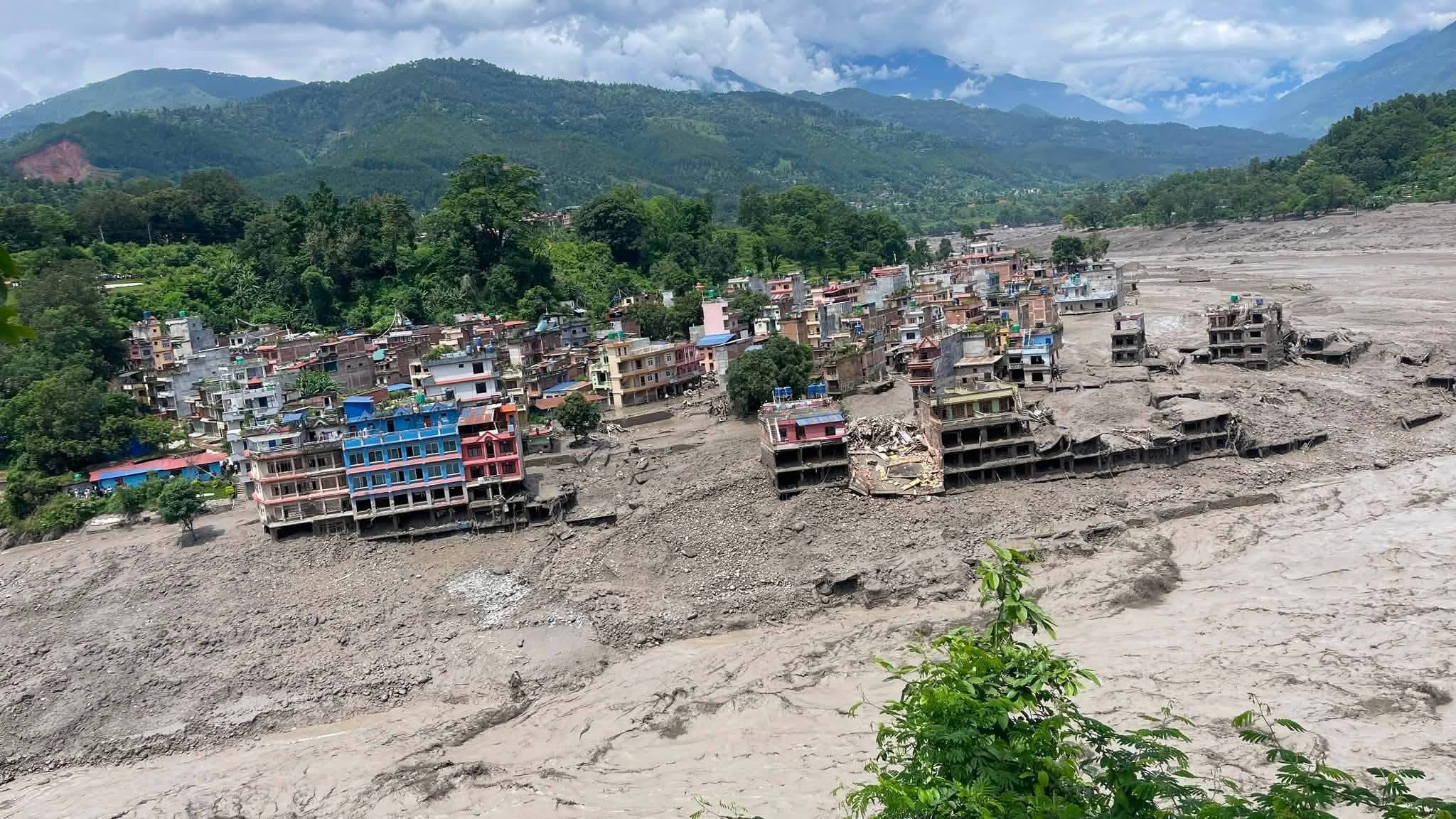
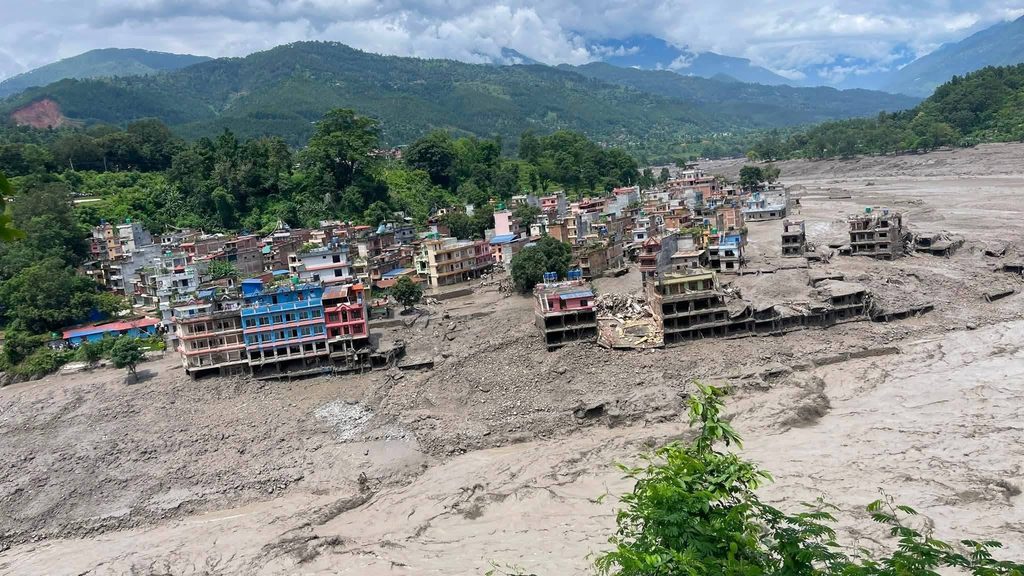
A massive and sudden Bhote Koshi flood struck Rasuwa district on August 26, 2026, after an unusually large surge of water entered the Bhote Koshi River from the Tibet side. The flood caused widespread destruction in areas including Timure, Rasuwagadhi and Syabrubesi, affecting settlements, roads, bridges, vehicles, businesses and important infrastructure.
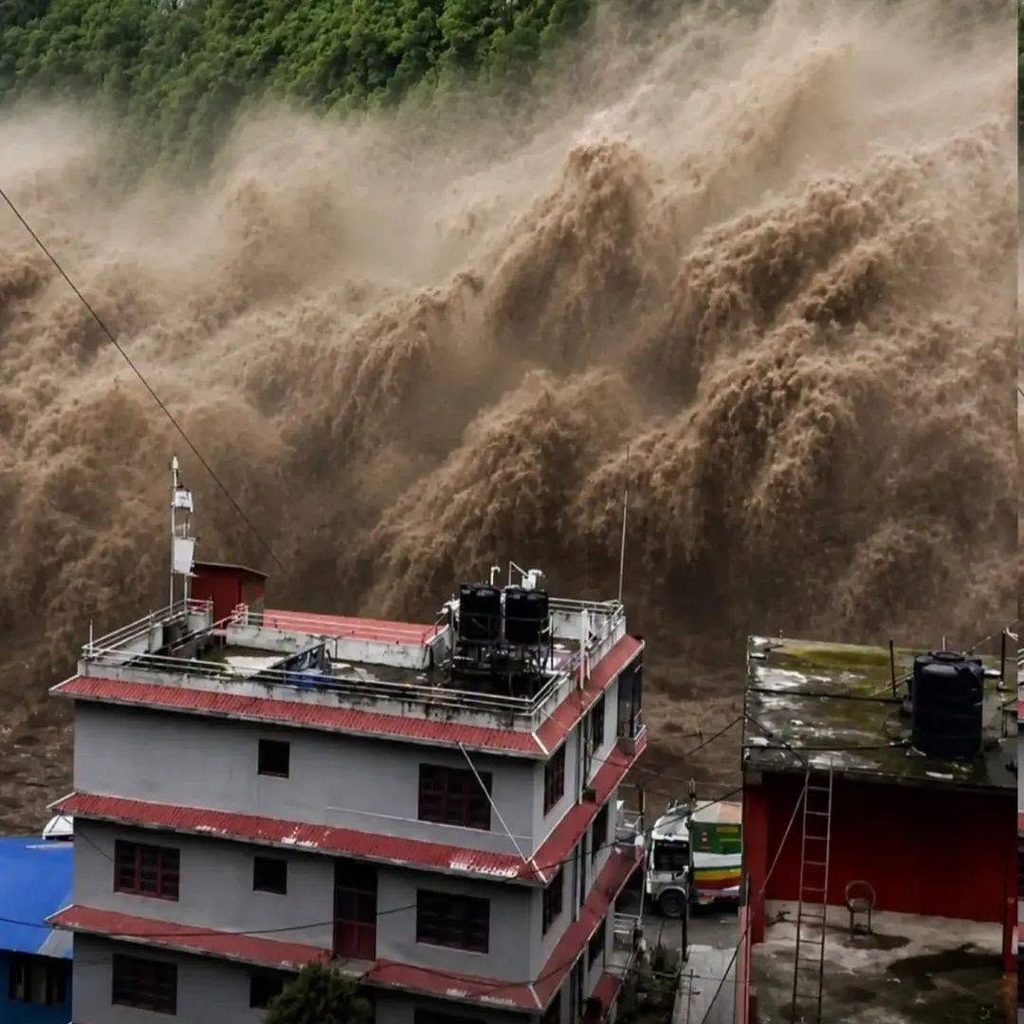
The flood occurred at around 9:00 AM, catching communities along the river corridor off guard. The volume and force of the water were reported to be exceptionally high, with the first major impacts seen around the Nepal–China border area before the flood continued downstream.
The sudden Rasuwa flood today has raised questions about what triggered such a large volume of water to enter the Bhote Koshi.
Initial reports did not immediately establish the exact cause. Preliminary assessments later suggested that an ice avalanche or natural blockage in the upper river system on the Tibet side may have caused water to accumulate and then be released suddenly downstream. A possible glacial-lake-related process has also been considered.
As investigations continue, authorities and experts are assessing the conditions upstream to establish the precise mechanism behind the flood.
The Bhote Koshi flood caused extensive damage along the river corridor.
Timure and Rasuwagadhi, located near the Nepal–China border, were among the areas heavily affected. The Rasuwagadhi customs area and surrounding infrastructure suffered significant damage, disrupting an important border trade and transportation route.
Syabrubesi, another major settlement in Rasuwa, was also affected by the flood. Buildings, roads, bridges, vehicles and other infrastructure along the river corridor were damaged.
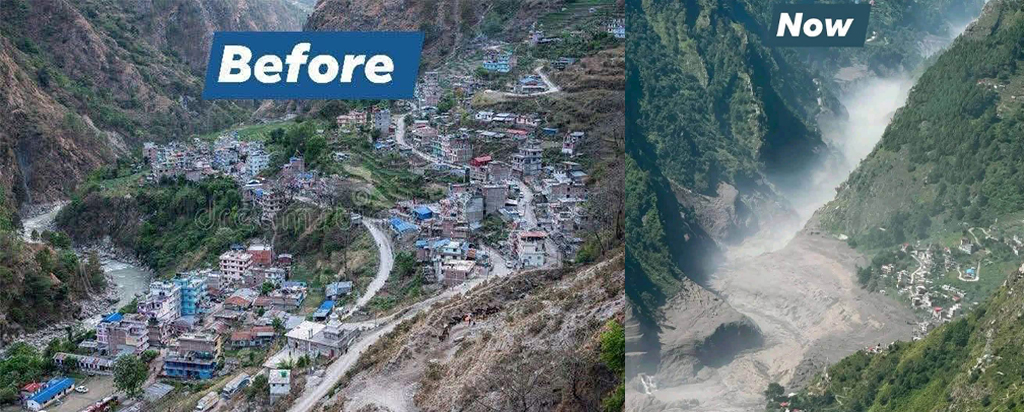
The full extent of the destruction is still being assessed because access to several affected locations has become difficult following the disaster.
The flood has resulted in deaths, injuries and missing people, while authorities continue to verify the latest figures as search operations progress.
The Nepal Army, Nepal Police and Armed Police Force have been mobilised for search, rescue and relief operations. Helicopters and specialised rescue equipment are being used to reach affected areas and locate people who may be stranded or missing.
Rescue efforts have been complicated by damaged roads and bridges, high water levels, difficult terrain and disrupted communication networks.
Authorities are continuing to collect and verify information from different affected locations. Consequently, casualty and missing-person figures may change as the search operation progresses.
The disaster was not confined to northern Rasuwa. The flood travelled downstream through the Bhote Koshi and Trishuli river system, increasing the risk for communities located farther south.
Warnings were issued for areas of Nuwakot and Dhading, with concerns extending farther downstream toward Gorkha, Chitwan and Muglin.
People living close to the river were advised to move to safer and higher locations and avoid unnecessary movement through flood-affected areas.
The downstream situation has also created concerns for roads and transportation routes connecting northern Nepal with Kathmandu and other parts of the country.
The scale of the Rasuwa flood 2026 extends beyond residential areas.
Roads, bridges, vehicles, electricity infrastructure, communication facilities, government buildings and other public infrastructure have been damaged in the affected corridor.
Several hydropower projects have also reported significant impacts. The Bhote Koshi corridor contains important hydropower infrastructure, making the disaster significant not only for local communities but also for Nepal’s energy sector.
The destruction of transportation and electricity infrastructure could affect local services and economic activity until assessment and reconstruction work can be carried out.
Rasuwa is one of Nepal’s important northern border districts, and Rasuwagadhi is a major crossing point between Nepal and China.
The flood has therefore affected an area that plays an important role in cross-border trade, transportation and local commerce.
Damage around the customs area and connecting infrastructure has disrupted normal movement through the border corridor. Authorities will need to assess roads, bridges and other facilities before normal transportation can resume.
The situation remains dynamic as rescue teams continue operations and authorities assess the damage.
The major developments reported on August 26 include:
The number of casualties, missing people and the total economic and infrastructure damage may change as authorities gain access to affected areas and complete their assessments.
The Rasuwa flood 2026 has become a major natural disaster affecting communities and infrastructure along the Bhote Koshi corridor and downstream areas of the Trishuli River.
The sudden arrival of such a large flood from upstream demonstrates the risks faced by communities living along Himalayan river systems, where events occurring far upstream can rapidly affect settlements and infrastructure downstream.
For now, search, rescue, relief and damage assessment remain the priority. Authorities and emergency teams continue working in the affected areas while monitoring conditions along the Bhote Koshi and Trishuli rivers.

Krishna is the Managing Director of our unique Nepal trekking company – Nepalorama Trekking. He has over 20 years of trekking experience in Nepal and has been guiding treks since 2010. He’s well known for his warm sense of humour and cheeky smile. Nepalis are understandably proud of their beautiful country and Krishna is no exception!
Read more Articles by this Author
Langtang Valley Trek After Flood follows an alternative route via Thulo Syabru after the August 2026 flash flood. The Bhotekoshi

Langtang Valley Trek Packing List Planning to trek in the beautiful Langtang region? One of the most common questions trekkers
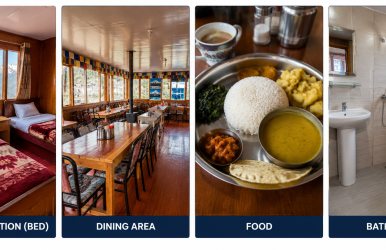
Best Food, Tea Houses, Lodges & Stay Experience in Langtang Valley Trek The Langtang Valley Trek food and accommodation experience


Loading please wait...