


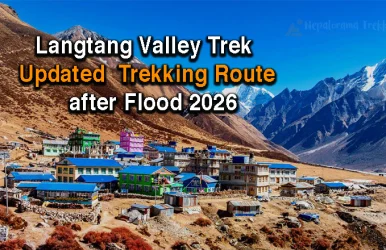
Langtang Valley Trek After Flood follows an alternative route via Thulo Syabru after the August 2026 flash flood. The Bhotekoshi


Team Nepalorama

The Langtang Valley Trek is considered one of the most beautiful and culturally rich trekking experiences in Nepal. The trek is located in the north of Kathmandu, near the Tibetan border. The trekking route passes through beautiful forests, traditional Tamang settlements, high-altitude grasslands, and breathtaking Himalayan landscapes. Trekkers can enjoy spectacular views of Langtang Lirung while exploring ancient monasteries and peaceful valley surroundings.
When discussing Langtang trek difficulty, it is generally considered a moderate-level trek compared to famous trekking routes like the Everest Base Camp Trek and the Annapurna Base Camp Trek. Because of this moderate difficulty, the Langtang trek is suitable for both beginners and experienced trekkers who want a shorter Himalayan adventure close to Kathmandu.
Although the Langtang Valley trek difficulty level is moderate, proper preparation is still essential. Trekkers should consider several important factors while planning the journey, such as increasing altitude, mountain weather conditions, daily trekking distance, and the physical endurance required for uphill hiking. Acclimatization also plays a crucial role because the trek reaches high-altitude areas like Kyanjin Gompa and nearby viewpoints.
In addition to physical fitness, mental preparation is also important when facing Langtang trek difficulty. Trekking in the Himalayas often involves staying in simple teahouses, adapting to changing weather conditions, and walking several hours each day. With proper planning, training, and awareness of the challenges, trekkers can safely complete the Langtang Valley Trek and enjoy an unforgettable Himalayan experience.
This guide will help you understand the real Langtang trek difficulty, the condition of the trekking trails, and the important factors to consider for a successful and enjoyable trekking adventure.
The trekking route within the Langtang Valley region has been classified as a moderate route. This means that the trekking route within this region is considered to be relatively easier for most trekking enthusiasts. However, despite the relatively easier nature of this trekking route, there are still some tough sections to be encountered along the way. Along the trekking route, one gets to trek through thick forests of rhododendron and bamboo. Additionally, one gets to cross several suspension bridges over the rivers within the mountains. Furthermore, one gets to trek up several stone steps.

However, as one gets closer to higher altitudes, the trekking route gets tougher with rugged terrain, rocky terrain, and alpine valleys. The trek usually starts with a scenic drive from Kathmandu to Syabrubesi, which takes around 7-8 hours. After this, the trek continues with a daily hike of 5-7 hours, gaining altitude as one proceeds further into the Langtang Valley. One of the toughest parts of the trek includes climbing up to Tserko Ri (4,984 m) from Kyanjin Gompa. This part of the trek involves a steep climb, which tests one’s endurance. However, this climb offers a panoramic view of the Himalayas. Overall, though the trek involves some tough parts due to steep climbs and altitude gain, the Langtang trekking route is still quite manageable for a trekker with basic hiking experience.
Weather plays a very important role in determining the difficulty level of the Langtang Valley Trek. Because the trek takes place in the Himalayan region north of Kathmandu, weather conditions can change quickly and significantly affect trekking comfort, safety, and visibility. Temperature, snowfall, rainfall, and trail conditions vary throughout the year, so choosing the right season can make the trek easier and more enjoyable. Some seasons provide stable weather and clear mountain views, while others bring challenges such as rain, snow, or slippery trails. Understanding the seasonal conditions helps trekkers plan better and prepare for possible weather-related difficulties.
The Langtang Valley Trek does not require any technical climbing expertise, good physical condition is essential to trek comfortably. As the trek involves many days of consecutive day-long trekking through the forest, valleys, and mountainous terrain, the trekker should be prepared to trek at least 10-12 km every day. In some places, the trekking is quite steep, especially while trekking towards higher destinations such as Kyanjin Gompa. In addition, carrying a small backpack with personal items is part of the trekking.
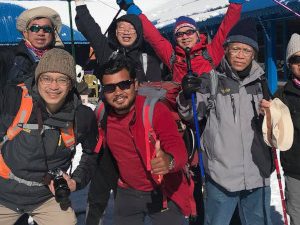
Basic Fitness Requirements
The trekkers should be comfortable with:
Recommended Physical Preparation
Physical preparation before the trek would make the trek easier and more enjoyable. Some physical exercises that would help you are:
It is recommended that you start your physical exercises 3-4 weeks before the trek. This would help you improve your stamina, avoid fatigue, and condition your body for the physical demands of trekking in the Langtang region.
Mental strength is just as important as physical fitness during the Langtang Valley Trek. Trekking in the Himalayas requires patience, determination, and a positive attitude, especially when facing long hiking days and changing mountain conditions. Unlike city travel, trekking in remote areas means adapting to simple lifestyles and unpredictable weather. Trekkers should be mentally prepared to walk for several hours each day while adjusting to higher altitudes and colder temperatures.
Trekkers may face several challenges during the journey, such as:
Maintaining a positive mindset and patience helps trekkers enjoy the journey rather than focusing on discomfort. Many trekkers find that the peaceful landscapes, traditional villages, and breathtaking mountain views in the Langtang Valley make every challenge worthwhile and turn the trek into a truly memorable experience.
Altitude is one of the most important factors affecting the difficulty of the Langtang Valley Trek. As trekkers move deeper into the Himalayan region, the elevation gradually increases, which can affect the body’s ability to adapt to lower oxygen levels. The trek typically reaches high points such as Kyanjin Gompa at 3,870 meters and viewpoints like Tserko Ri at 4,984 meters. At these elevations, some trekkers may experience Acute Mountain Sickness (AMS) if they ascend too quickly or do not allow enough time for acclimatization.
Trekkers should be aware of the common signs of AMS, which may include:
Recognizing these symptoms early is important for staying safe during the trek. Walking slowly, staying hydrated, and allowing proper acclimatization days can help reduce the risk of altitude sickness while trekking in the Langtang region.
How to Prevent Altitude Sickness
The Langtang route is designed with gradual altitude gain, which helps reduce the risk.
Yes, the Langtang Valley Trek is considered one of the best trekking routes in Nepal for beginners. Compared to longer and more demanding treks such as the Everest Base Camp Trek or Annapurna Base Camp Trek, the Langtang trek offers a shorter duration and a moderate difficulty level. The route allows trekkers to experience stunning Himalayan landscapes, local Tamang culture, and beautiful mountain scenery without requiring technical climbing skills. Because the trail gradually gains altitude and provides good trekking infrastructure, many first-time trekkers successfully complete this adventure.
With proper preparation, basic fitness, and guidance from experienced guides, even first-time trekkers can safely enjoy the Langtang trek and experience the beauty of the Himalayas.
Here are some helpful tips to make your Langtang trek easier:
✔ Walk slowly and maintain a steady pace
✔ Stay hydrated throughout the trek
✔ Pack light but carry essential gear
✔ Take acclimatization seriously
✔ Trek with an experienced guide
✔ Start training before the trip
✔ Bring proper trekking shoes
These simple preparations significantly improve trekking comfort and safety.
Final Thoughts
The Langtang Valley Trek offers an incredible Himalayan experience with moderate difficulty, making it suitable for both beginners and experienced trekkers. While challenges like altitude, weather, and long walking days exist, proper preparation and a positive mindset make the journey enjoyable and rewarding.
Trekkers are rewarded with spectacular mountain views, peaceful valleys, Buddhist monasteries, and authentic Tamang culture. For anyone looking for a scenic Himalayan trek close to Kathmandu, Langtang is truly an unforgettable adventure.
FAQ For Langtang Trek Difficulty
The Langtang trek difficulty is generally considered moderate. Beginners with basic fitness and some hiking preparation can complete the trek comfortably. The trail is well-marked and shorter compared to other major Himalayan treks.
The Langtang trek difficulty is lower than the Everest Base Camp Trek because it involves a shorter duration, lower altitude, and less extreme terrain. However, trekkers still need to be prepared for uphill walking and changing mountain weather.
The highest overnight stop of the trek is Kyanjin Gompa at around 3,870 meters. Many trekkers also hike to viewpoints like Tserko Ri, which reaches about 4,984 meters, adding to the Langtang trek difficulty.
Most trekking days involve walking about 5–7 hours depending on the itinerary and pace. The walking distance and altitude gain contribute to the overall Langtang trek difficulty, but the trail remains manageable for most trekkers.
Yes, altitude sickness can occur because the trek reaches high elevations. Proper acclimatization, hydration, and slow trekking pace are important to manage the Langtang trek difficulty related to altitude.
The main factors influencing Langtang trek difficulty include altitude gain, long uphill trails, changing weather conditions, and basic accommodation during the trek. Good preparation can make these challenges manageable.
Previous trekking experience is helpful but not mandatory. With proper fitness preparation and guidance, most people can complete the trek despite the moderate Langtang trek difficulty.
To handle the Langtang trek difficulty, trekkers should do regular walking, cardio exercises, and short hikes before the trek. Mental preparation and understanding mountain conditions are also important.

Krishna is the Managing Director of our unique Nepal trekking company – Nepalorama Trekking. He has over 20 years of trekking experience in Nepal and has been guiding treks since 2010. He’s well known for his warm sense of humour and cheeky smile. Nepalis are understandably proud of their beautiful country and Krishna is no exception!
Read more Articles by this Author
Langtang Valley Trek After Flood follows an alternative route via Thulo Syabru after the August 2026 flash flood. The Bhotekoshi
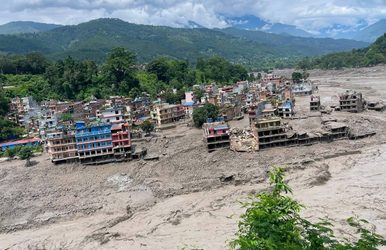
A massive and sudden Bhote Koshi flood struck Rasuwa district on August 26, 2026, after an unusually large surge of

Langtang Valley Trek Packing List Planning to trek in the beautiful Langtang region? One of the most common questions trekkers


Loading please wait...