



Langtang Valley Trek After Flood follows an alternative route via Thulo Syabru after the August 2026 flash flood. The Bhotekoshi

Team Nepalorama

The Langtang Valley is one of Nepal’s most culturally rich and spiritually significant Himalayan regions. Situated north of Kathmandu near the Nepal–Tibet border, the valley is renowned not only for its breathtaking mountain scenery and trekking adventures but also for its deep-rooted traditions, Tibetan Buddhist heritage, and authentic langtang valley culture.
For centuries, the people of Langtang have preserved their unique language, religious beliefs, festivals, architecture, music, and traditional mountain lifestyle despite the challenges of living in a remote Himalayan environment. The valley reflects a beautiful blend of Tibetan and Nepali influences shaped by ancient trade routes and centuries of cultural exchange.
As trekkers journey through traditional villages such as Langtang Village and Kyanjin Gompa, they encounter prayer flags fluttering in the wind, ancient monasteries, mani walls carved with sacred mantras, yak caravans crossing mountain trails, and warm tea houses run by local families. These cultural experiences make Langtang far more than just a trekking destination.
The culture of Langtang Valley offers visitors a rare opportunity to experience authentic Himalayan life while surrounded by glaciers, alpine forests, and snow-covered peaks. From Buddhist rituals and Tamang festivals to yak herding traditions and mountain hospitality, every part of the journey reflects the spiritual and cultural heart of the Himalayas.
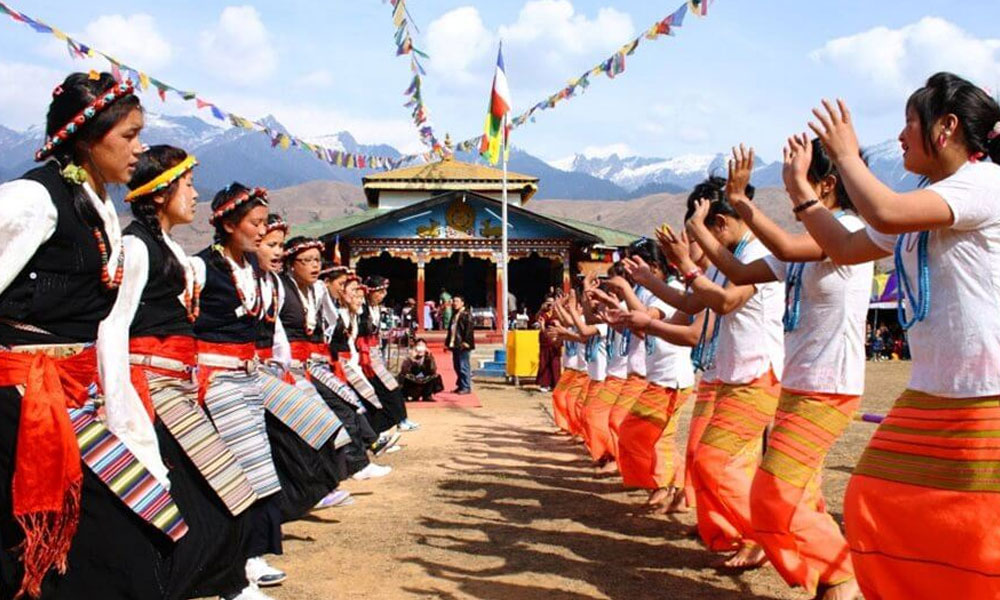
The Tamang people are one of the oldest indigenous Himalayan communities of Nepal and are considered the original inhabitants of the Langtang Valley region. Their ancestors are believed to have migrated from Tibet many centuries ago and gradually settled in the high Himalayan valleys of central Nepal.
The word “Tamang” is often connected to Tibetan origins, where:
Historically, Tamang communities played an important role in trans-Himalayan trade between Nepal and Tibet. They transported salt, wool, butter, grains, and livestock across difficult mountain trails using yaks and mules. Because of this long connection with Tibet, Tamang culture shares strong similarities with Tibetan traditions, language, religion, food, and architecture.
Today, the Tamang people are known for their warm hospitality, strong Buddhist beliefs, traditional music and dance, handmade crafts, and mountain lifestyle. Most families living in Langtang continue to depend on farming, yak herding, tourism, and tea house businesses for their livelihood.
Strong Buddhist beliefs
Most Tamang people follow Tibetan Buddhism and practice daily prayers, rituals, and monastery traditions.
Warm hospitality
Locals are known for welcoming trekkers with kindness, tea, and traditional meals.
Traditional mountain lifestyle
Families depend on farming, yak herding, and tourism for survival in the Himalayas.
Music and dance traditions
Tamang Selo is a traditional music style performed during festivals and celebrations using drums and local instruments.
Handmade crafts and weaving
Many traditional clothes and household items are handmade using wool and local materials.
Religion plays a deeply important role in everyday life throughout the Langtang Valley. The entire region is strongly influenced by Tibetan Buddhism, which shapes the local architecture, festivals, rituals, lifestyle, and even the way people interact with nature.
In Langtang, spirituality is not limited to monasteries—it is part of daily life. From morning prayers to mountain trekking paths, Buddhist beliefs are visible everywhere, creating a peaceful and sacred atmosphere throughout the valley.
Prayer flags are colorful rectangular cloths found hanging on hills, bridges, rooftops, and mountain passes. Each flag contains printed prayers, mantras, and sacred symbols.The five colors represent elements of nature: sky, air, fire, water, and earth Wind spreads the prayers into the environment.They symbolize peace, compassion, strength, and harmony For locals, hanging prayer flags is a way of spreading blessings to all living beings.
Mani walls are long stone structures carved with Buddhist prayers, especially the mantra “Om Mani Padme Hum.”Built by monks and villagers as acts of devotion. Each stone is carefully carved and placed by hand. Pilgrims walk around them clockwise as a sign of respect. They represent compassion and spiritual protection
Prayer wheels are cylindrical metal or wooden wheels engraved with mantras.Inside the wheel, thousands of prayers are written on paper. Spinning the wheel is believed to send out blessings. Locals spin them while walking or visiting monasteries. One spin equals reciting prayers many times. They make spiritual practice simple and part of daily movement.
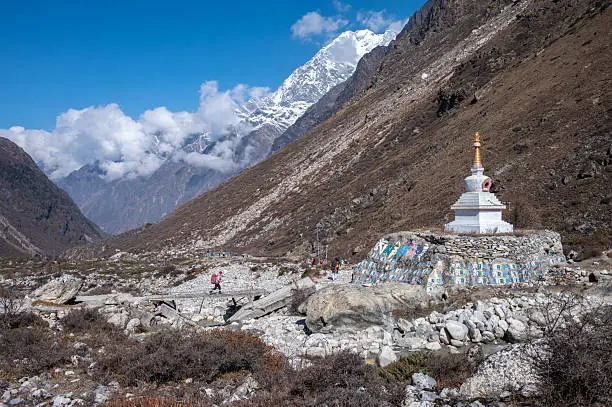
Chortens, also known as stupas, are dome-shaped Buddhist monuments found in villages and trails. Symbolize enlightenment and peace. Often built in memory of respected monks or ancestors Always walked around clockwise. Mark sacred or significant spiritual locations. They are powerful symbols of Buddhist faith in the Himalayas.
Monasteries are the spiritual heart of Langtang Valley communities.Home to monks who study and practice Buddhism. Centers for prayer, meditation, and ceremonies. Hosts for festivals and religious events. Important places for teaching younger generations. One of the most significant monasteries in the region is in Kyanjin Gompa, where spiritual life and mountain scenery come together beautifully.
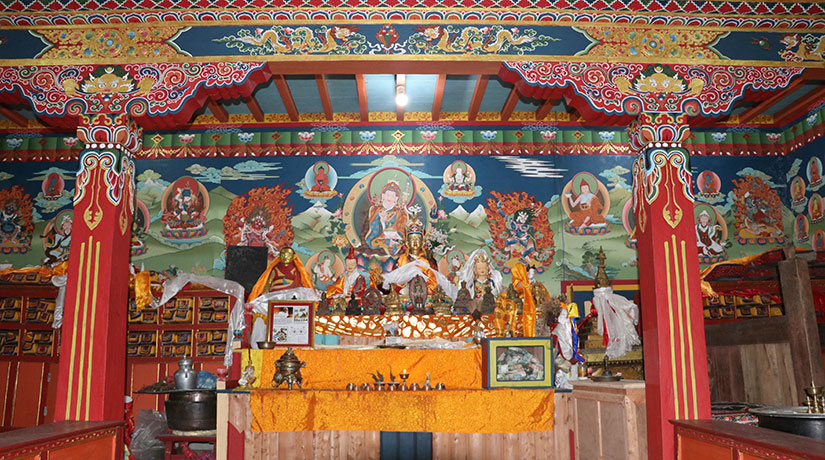
While trekking through Langtang, visitors constantly encounter these sacred elements along the trails. Prayer flags flutter in the wind, monks chant in monasteries, and mani walls line the paths. This creates a peaceful environment that makes the journey feel not only physical but also spiritual.
For many trekkers, the Buddhist atmosphere of Langtang becomes one of the most memorable parts of the entire experience.
Kyanjin Gompa is one of the most important and sacred monasteries in the Langtang Valley. Located at a high altitude surrounded by glaciers and towering Himalayan peaks, it serves as the spiritual heart of the region and an important cultural landmark for both locals and trekkers.
This monastery is not only a religious site but also a place where community life, tradition, and spirituality come together in a peaceful mountain setting.
Kyanjin Gompa plays a central role in the spiritual life of the valley.
Monks perform daily prayers and rituals. Villagers gather here for important Buddhist ceremonies. Religious teachings and chanting sessions take place regularly. It strengthens the Buddhist faith of the local Tamang community. This makes it an essential place for preserving Tibetan Buddhist culture in Langtang.
The natural environment around Kyanjin Gompa is extremely peaceful and quiet.Surrounded by snow-capped mountains and glaciers. Fresh Himalayan air creates a calm atmosphere. Ideal for meditation and spiritual reflection. Many monks and visitors spend time here for inner peace,Because of its location, it is considered a powerful place for spiritual practice.
Kyanjin Gompa is not only a religious center but also a community hub.Local festivals and celebrations are organized here. Villagers meet for social and cultural events. Traditional rituals and dances are sometimes performed. It helps preserve Tamang cultural identity. It acts as a bridge between spirituality and everyday life in the mountains.
One of the most striking features of Kyanjin Gompa is its breathtaking natural surroundings.Views of Langtang Lirung and surrounding peaks.Close to glaciers and alpine landscapes. Peaceful environment far from modern distractions. A perfect blend of nature and spirituality. This unique setting makes it one of the most scenic monasteries in Nepal.
The traditional villages of the Langtang Valley offer a rare glimpse into authentic Himalayan life. These settlements have preserved centuries-old culture, architecture, and lifestyle practices despite modern changes. Life here is simple, closely connected with nature, and deeply influenced by Tibetan Buddhist traditions.
Villagers live in harmony with the harsh mountain environment, relying on farming, yak herding, and tourism for survival. Each village reflects a strong sense of community, tradition, and spirituality.
One of the main settlements in the valley. Rebuilt after the 2015 earthquake. Known for warm hospitality and traditional lifestyle.Acts as a key stop for trekkers
A peaceful traditional village above Langtang Village. Surrounded by beautiful mountain scenery Known for agriculture and yak grazing. Less crowded, offering a calm cultural experience
Entry point of the Langtang trekking route. A busy village with many tea houses and lodges. Located along river valleys and road access.Gateway for most trekkers starting the journey
A high-altitude settlement and spiritual hub.Home to the famous monastery Kyanjin Gompa Surrounded by glaciers and Himalayan peaks.Combines village life with deep Buddhist spirituality
Villages are traditionally made using stone to withstand cold temperatures and strong mountain winds. These homes are designed for durability and warmth in extreme Himalayan conditions.
Wooden roofs help protect houses from heavy snowfall and rain. They also reflect traditional Himalayan construction techniques passed down through generations.
Yaks are an essential part of life in Langtang. Special shelters are built to house them safely, especially during harsh winters.
Stone prayer walls (mani walls) are found throughout villages, carved with sacred Buddhist mantras. They represent protection, peace, and spiritual blessings.
Due to steep mountain terrain, farming is done in terraces.Used for potatoes, barley, and vegetables. Helps prevent soil erosion. Supports local food supply
Tea houses are small family-run lodges that provide food and accommodation to trekkers.Offer warm meals like dal bhat and thukpa.Provide cultural interaction with locals.Serve as social and resting places for trekkers
Tea house culture is one of the most important and unique aspects of trekking in the Langtang Valley. Along the trekking routes, small lodges known as tea houses are operated by local families. These simple but warm accommodations provide shelter, food, and a welcoming environment for trekkers traveling through the Himalayas.
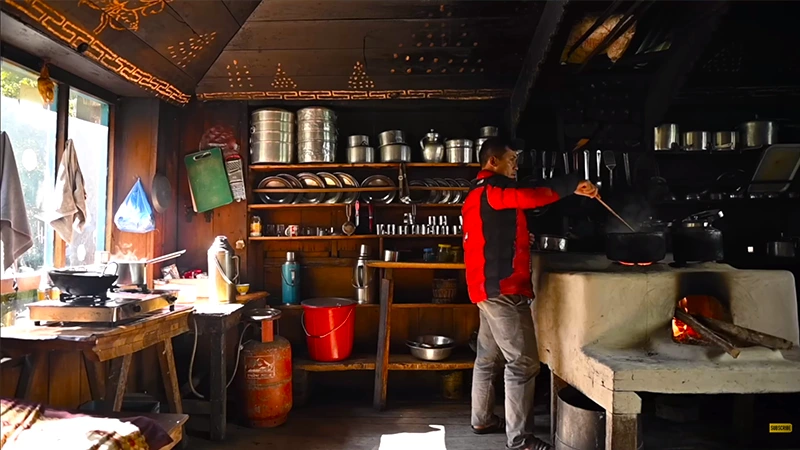
Tea houses are not just places to stay—they are an essential part of the cultural experience in Langtang.
Tea houses provide basic but comfortable rooms for trekkers.
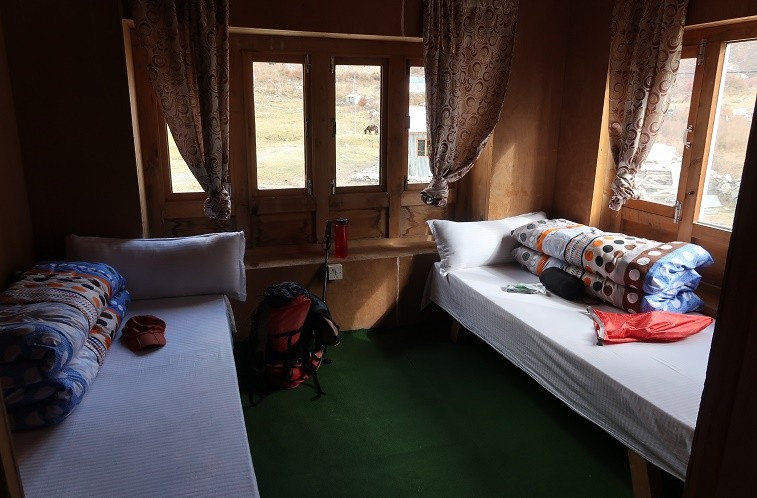
Meals served in tea houses reflect local Himalayan cuisine.
Food is freshly prepared and helps trekkers regain energy for high-altitude walking.
Tea houses usually have a common dining hall where everyone gathers.
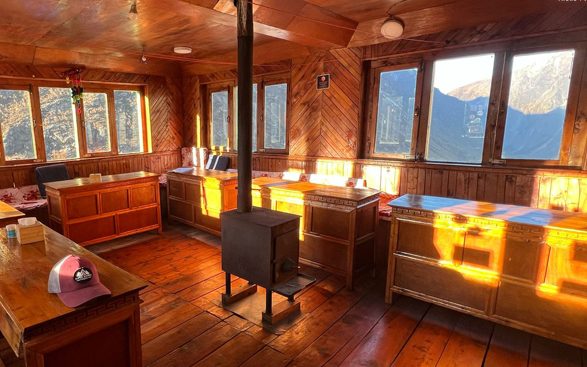
This shared space creates a sense of community among travelers.
Tea houses provide a direct opportunity to experience local life.
These interactions help trekkers connect deeply with local culture.
Hospitality in Langtang is known for being warm and genuine.
Even with limited resources, locals ensure trekkers feel at home.
In the evenings, tea houses become lively cultural spaces. Trekkers often sit around warm fire stoves, drinking tea and sharing stories with guides, porters, and local families.
This simple lifestyle creates strong human connections and unforgettable memories.
Tea house culture is one of the most memorable parts of trekking in the Langtang Valley because it combines:
Food in the Langtang Valley reflects a unique blend of Nepali and Tibetan culinary traditions. Because of the cold Himalayan climate and high altitude environment, meals are specially prepared to provide warmth, strength, and energy for trekking and daily mountain life.
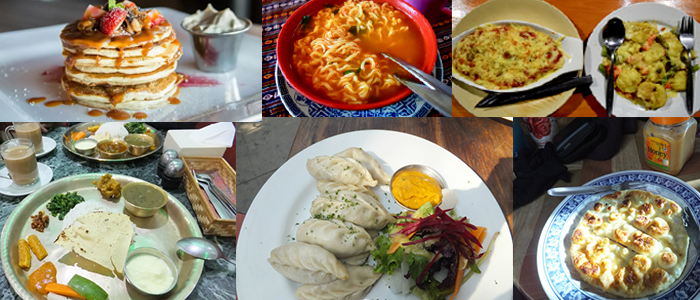
Local food is simple, nutritious, and closely connected to traditional survival practices in the mountains.
Dal Bhat is the most common and important meal in Nepal.
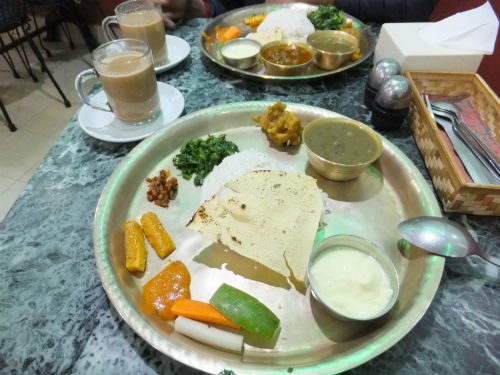
It is often served with unlimited refills in tea houses, making it a perfect trekking meal.
Thukpa is a traditional Himalayan noodle soup.
It is one of the most popular dishes in high-altitude regions.
Momo is one of Nepal’s most loved foods.Dumplings filled with vegetables or meat.Steamed or fried varieties available.Served with spicy dipping sauce.Popular among both locals and trekkers Momo is a common snack in Langtang tea houses.
Tibetan bread is a simple but filling food.Fried or pan-cooked flatbread. Often eaten with tea, honey, or jam. Soft inside with a crispy texture . Common breakfast item in tea houses It provides quick energy for morning trekking.
Tsampa is a traditional Himalayan staple made from roasted barley flour. Mixed with butter tea or water. Highly nutritious and energy-rich Easy to carry during travel. Important food in Tibetan-influenced culture. It has been used for centuries by Himalayan communities.
Butter tea is a unique Himalayan drink.Made from tea leaves, salt, and yak butter. Rich and salty taste. Helps keep the body warm in cold weather. Provides energy at high altitude. It is an essential part of daily life in Langtang.
Yak cheese is one of the most famous products of Langtang. Produced near Kyanjin Gompa Made from yak milk in traditional cheese factories. Rich, slightly tangy flavor. Popular among trekkers as a local specialty.Yak herding plays an important role in the local economy and culture.
Food in Langtang is not just about taste—it reflects the survival lifestyle of Himalayan communities. Every meal is designed to:Provide energy for trekking.Keep the body warm in cold temperatures. Use locally available ingredients. Support traditional farming and yak herding. This simple but powerful cuisine gives trekkers a real taste of Himalayan life and culture.
Festivals are an essential part of life in the Langtang Valley. They are not only religious events but also important social gatherings that strengthen community bonds, preserve traditions, and express gratitude to nature and spiritual beliefs. Most festivals are influenced by Tibetan Buddhism and are celebrated with deep devotion, music, dance, and shared meals.
Lhosar is the Tibetan New Year and one of the most important celebrations in Langtang.Families clean and decorate homes. People wear traditional clothes. Cultural dances and music performances take place. Special foods are prepared and shared. Elders bless younger generations for prosperity. It is a time of joy, renewal, and community gathering.
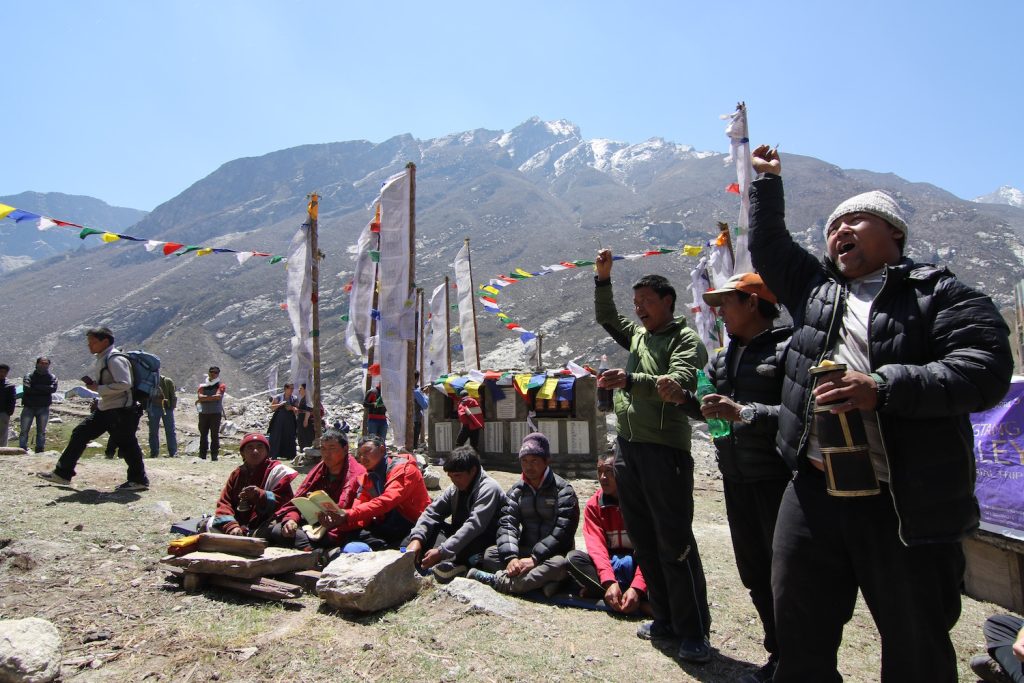
Buddha Jayanti celebrates the birth, enlightenment, and death of Lord Buddha.Monasteries are decorated with butter lamps. Monks perform prayers and chanting.People visit stupas and religious sites. Acts of kindness and charity are encouraged. It is one of the most peaceful and spiritual festivals in the Himalayas.
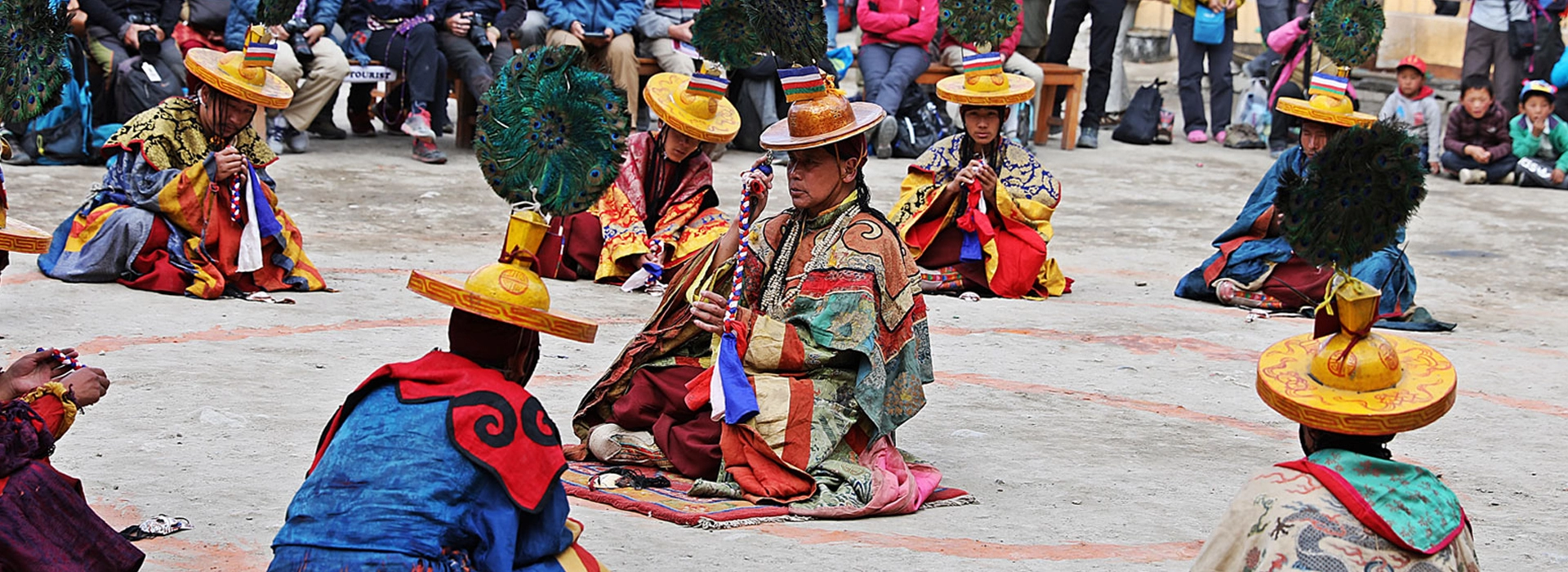
Mani Rimdu is a sacred Buddhist festival celebrated with deep religious meaning. Monks perform masked Cham dances. Rituals symbolize the victory of wisdom over evil. Sacred prayers and blessings are conducted. Large gatherings take place in monasteries. This festival is both spiritual and visually spectacular.
Janai Purnima is a religious festival celebrated by both Hindus and Buddhists.Sacred threads (Janai or Rakshya Sutra) are tied for protection.Pilgrims visit monasteries and holy lakes.People take ritual baths in sacred water sources. Communities gather for prayers and offerings. It reflects the harmony between different religious traditions.
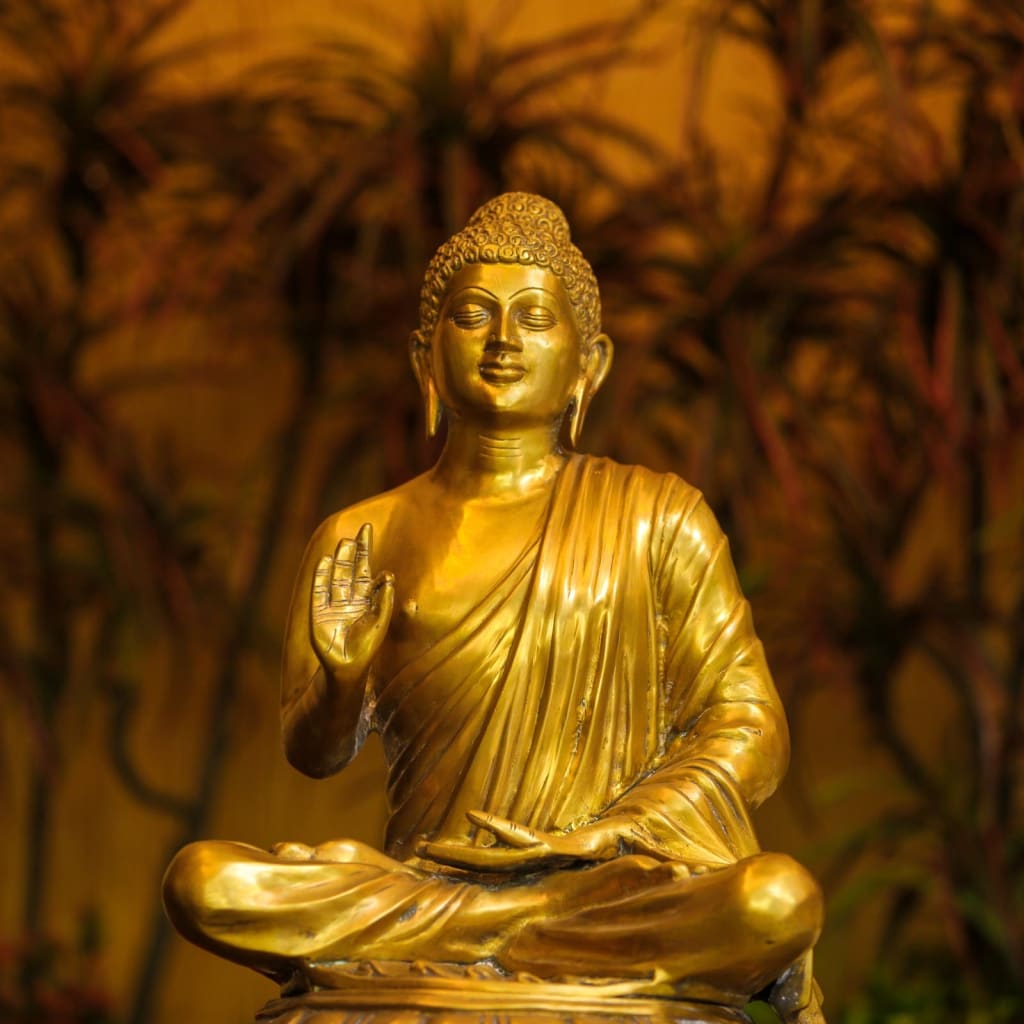
During festivals, the valley becomes vibrant with cultural energy and community spirit.
Locals perform traditional Tamang and Buddhist dances that reflect stories, beliefs, and celebrations of life.
Monks and villagers gather in monasteries to chant prayers and perform rituals for peace, prosperity, and harmony.
Families and villagers share meals together, strengthening social bonds and hospitality traditions.
Religious ceremonies are held in monasteries, where monks perform rituals, chants, and blessings.
People wear colorful traditional clothing and enjoy folk music, especially Tamang Selo performances with drums and instruments.
Traditional clothing in the Langtang Valley reflects a unique blend of Tibetan influence and Tamang cultural identity. Because of the cold Himalayan climate, clothing is not only about culture and tradition but also about protection, warmth, and survival. Most garments are handmade and passed down through generations, preserving ancient craftsmanship and heritage.
A long, loose robe commonly worn by men in Langtang. Provides warmth in cold mountain weather. Often tied with a belt around the waist. Suitable for daily life and special occasions. Chuba is one of the most traditional garments influenced by Tibetan culture.
Made from yak or sheep wool.Worn under or inside robes for extra warmth. Essential for harsh winter conditions. Comfortable for daily farming and trekking life. These shirts are practical and perfectly suited for Himalayan living.
Woolen caps worn to protect from cold winds. Often handmade with simple patterns. Worn during daily work and travel. Sometimes used during festivals and gatherings. Caps are a simple but important part of mountain clothing.
Worn during festivals and special religious events. Made from silver or traditional metals. Symbolizes cultural identity and status.Often passed down within families
Jewelry plays a role in cultural pride and tradition.
A colorful striped apron worn by married women. Symbol of marital status and identity. Worn over traditional dresses. Represents Tamang cultural tradition. Pangden is one of the most recognizable elements of women’s clothing in Langtang.
Locally made using traditional weaving techniques. Designed for warmth and durability. Often decorated with simple patterns. Reflects cultural craftsmanship. These dresses represent generations of handmade tradition.
Worn inside traditional dresses. Provides warmth in cold weather. Often made from wool or thick fabric. Comfortable for daily work and village life
Worn during festivals, ceremonies, and special occasions. Includes necklaces, earrings, and ornaments. Symbol of beauty, tradition, and cultural pride. Often passed down as family heritage
Used for warmth and decoration. Worn over shoulders during cold weather. Features traditional Himalayan designs. Important part of festive clothing
Most traditional clothing in the Langtang Valley is made using natural materials such as:
This handmade clothing reflects the skill, creativity, and cultural heritage of the Tamang people, while also adapting perfectly to the harsh Himalayan environment.
Yak herding is one of the most important traditional livelihoods in the Langtang Valley and plays a vital role in the survival of Himalayan communities. In such a harsh and high-altitude environment, yaks are not only livestock but also an essential part of daily life, providing food, materials, and transportation for local people.
Yaks are used in many ways that support both culture and survival. They provide milk, which is used to make butter and cheese, especially the famous yak cheese of the region. Their wool is used to make warm clothing suitable for extreme cold weather. Yaks are also used as pack animals to carry goods across difficult mountain trails where vehicles cannot reach. In addition, dried yak dung is traditionally used as fuel for cooking and heating, especially in remote villages where firewood is limited.
Yak herding is deeply connected to seasonal migration patterns. Families move their yak herds between high-altitude summer pastures and lower winter grazing areas depending on weather conditions and grass availability. This seasonal movement is a long-standing tradition that reflects the strong relationship between local communities and nature. Even today, yak farming remains a major cultural and economic activity in the region.
Ancient Trade Routes of Langtang
The Langtang Valley has historically served as an important trade corridor between Nepal and Tibet. For centuries, traders crossed these mountain routes carrying essential goods across the Himalayas, creating cultural and economic connections between the two regions.
The main goods traded historically included salt, wool, butter, livestock, rice, and spices. These items were exchanged between lowland Nepal and Tibetan highlands, making Langtang a vital part of the ancient Himalayan trade network. Traders traveled on foot and with the help of yaks and mules, navigating difficult mountain paths and high passes.
This long history of trade had a deep cultural impact on the region. It helped spread Tibetan Buddhism into the valley, influenced local architecture and village design, and introduced new traditions, languages, and survival techniques suited for high-altitude life. Many of the modern trekking routes in Langtang still follow these ancient caravan paths, allowing visitors to walk through historical trade corridors once used by Himalayan merchants.
Cultural Etiquette for Trekkers
While trekking in the Langtang Valley, it is very important for visitors to respect local customs, traditions, and spiritual beliefs. The culture of the region is deeply connected to Tibetan Buddhism and Tamang heritage, so respectful behavior helps preserve both cultural values and community dignity.
Trekkers should always walk clockwise around stupas, chortens, and mani walls, as this is considered a sign of respect in Buddhist tradition. Shoes should be removed before entering monasteries or religious buildings. When taking photographs, it is important to ask permission from local people, especially monks and elders. Visitors should also dress modestly in villages to respect local culture and avoid drawing unnecessary attention.
In addition, sacred objects such as prayer wheels, mani stones, and religious artifacts should not be touched or handled unnecessarily. Following these simple cultural practices helps protect the spiritual environment of Langtang and ensures positive interaction between trekkers and local communities.
Respectful behavior not only preserves cultural heritage but also creates more meaningful and positive experiences for both visitors and the people of the Himalayas.
The culture of the Langtang Valley is one of the most authentic and untouched Himalayan cultural experiences in Nepal. What makes Langtang truly special is the way ancient traditions, Tibetan Buddhist spirituality, and authentic Tamang heritage still exist in daily life without being heavily commercialized. Unlike more crowded trekking regions, Langtang has preserved a peaceful and natural lifestyle that reflects centuries of mountain history and cultural continuity.
One of the main reasons Langtang culture is unique is its ancient Himalayan traditions. Local communities still follow old farming methods, yak herding practices, and village systems that have been passed down for generations. Oral storytelling, folk customs, and traditional knowledge remain an important part of community life, allowing visitors to experience a living culture that feels unchanged by modern time.
Tibetan Buddhist spirituality also plays a central role in shaping the identity of the valley. Monasteries, prayer flags, mani walls, and chortens are seen throughout the region, creating a deeply spiritual environment. Daily life is closely connected with religious beliefs, where prayer rituals, meditation, and respect for nature are an essential part of local living. This strong spiritual presence gives Langtang a calm and sacred atmosphere that enhances the trekking experience.
The authentic Tamang culture further adds to the uniqueness of Langtang. The Tamang people maintain their own language, music, dance, and festivals, all of which reflect their rich cultural identity. Their strong sense of community, hospitality, and respect for nature defines everyday life in the valley. Traditional celebrations and cultural practices continue to be an important part of social life, keeping their heritage alive.
Traditional mountain villages in Langtang also contribute to its special character. These villages are built with stone houses, wooden roofs, and simple structures designed to survive harsh Himalayan conditions. Life in these settlements is simple and closely connected to nature, with farming and yak herding forming the main source of livelihood. Walking through these villages allows trekkers to witness an authentic Himalayan lifestyle that is rarely found elsewhere.
Another important aspect is the peaceful monastery life that exists throughout the valley. Monasteries are not just religious centers but also places of learning, meditation, and community gatherings. Monks play an important role in maintaining spiritual traditions, and religious ceremonies are regularly held, adding to the cultural richness of the region.
Yak herding traditions also make Langtang culturally unique. Yaks are an essential part of life, providing milk, butter, cheese, wool, and transportation. Seasonal movement of yak herds between high and low pastures is still practiced, reflecting a traditional lifestyle deeply connected with nature and survival in the mountains.
Finally, the warm hospitality of the local people makes the cultural experience even more memorable. Tea houses run by local families offer simple accommodation, traditional food, and friendly interaction, allowing trekkers to feel connected to the community. This genuine hospitality creates meaningful cultural exchange between visitors and locals.

Krishna is the Managing Director of our unique Nepal trekking company – Nepalorama Trekking. He has over 20 years of trekking experience in Nepal and has been guiding treks since 2010. He’s well known for his warm sense of humour and cheeky smile. Nepalis are understandably proud of their beautiful country and Krishna is no exception!
Read more Articles by this Author
Langtang Valley Trek After Flood follows an alternative route via Thulo Syabru after the August 2026 flash flood. The Bhotekoshi
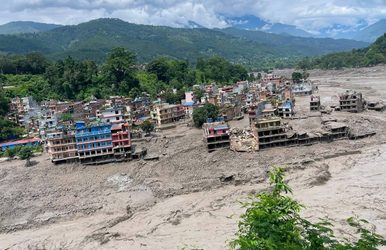
A massive and sudden Bhote Koshi flood struck Rasuwa district on August 26, 2026, after an unusually large surge of

Langtang Valley Trek Packing List Planning to trek in the beautiful Langtang region? One of the most common questions trekkers


Loading please wait...