


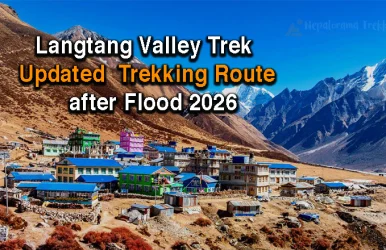
Langtang Valley Trek After Flood follows an alternative route via Thulo Syabru after the August 2026 flash flood. The Bhotekoshi

Team Nepalorama

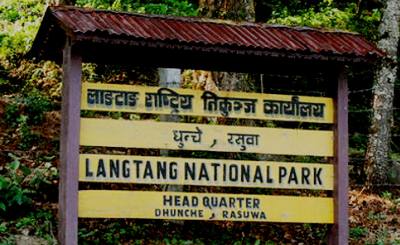
Langtang National Park is one of the most beautiful and diverse protected areas in Nepal. It is located north of Kathmandu and near to Tibet border. It is Established in 1976, it is the first Himalayan national park of Nepal.
The National park is famous for the snow-capped of the mountains, forests, wildlife, glaciers, Ancient Monastries, rivers, and traditional Tamang villages. Because it is close to Kathmandu, Langtang is a perfect destination for trekkers who want a short but rewarding Himalayan experience. Langtang is less crowded, peaceful, and deeply connected to local culture than Everest or Annapurna
Langtang National Park lies in the Rasuwa, Nuwakot, and Sindhupalchok districts of central Nepal. It starts around 32 km north of Kathmandu and stretches to the Tibetan plateau.The total Area of this park is 1,710 sq. km. The Elevation Range of the park is 1,000 m – 7,234 m. The Highest peak of this area is Langtang Lirung which have 7,234 m height.
Langtang National Park is special because it combines nature, culture, and adventure in one place. The main attraction of this park are 360 Himalayan Views, Rich Wildlife and birdlife. Connect with the Tibetan-influenced culture and Tamang Communities. Famous Scared lakes like Gosaikunda which is also lie in the area. and it is special for traditional village like langtang village which is reborn after the 2015 earthquake.
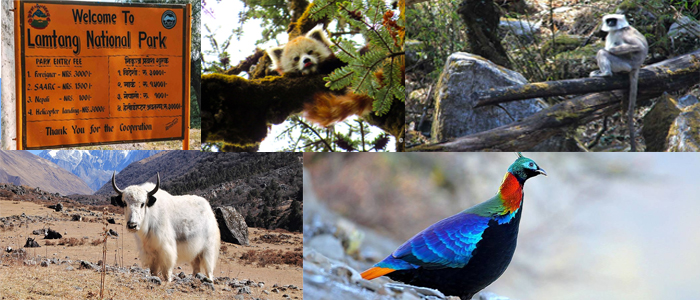
Langtang National Park is home to many rare and endangered species. The most of the mammals found in this area are Red Panda,Himalayan Black Bear, Snow Leopard, Himalayan Tahr, Musk Deer, Langur Monkey.
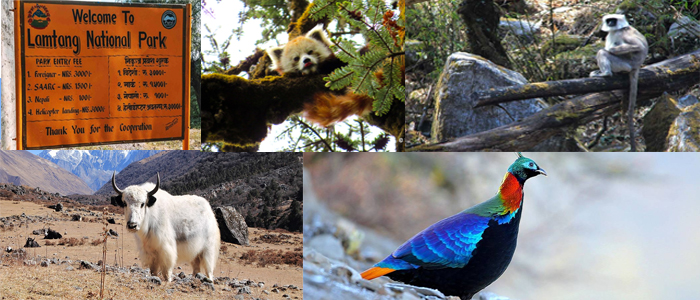
Langtang National Park is a great place for bird lovers and nature fans. The park has more than 250 types of birds, which makes it one of the best areas for birdwatching in central Nepal. Because the park has different heights and many kinds of forests, both Himalayan birds and migratory birds can be seen throughout the year.
One of the most special birds in the park is the Himalayan Monal, Nepal’s national bird. It is known for its bright colors and is usually seen in the higher forest and alpine areas, especially in the early morning. Other birds commonly seen in Langtang include eagles, vultures, and pheasants, often flying over valleys or resting near forest areas.
Langtang National Park is also home to different reptiles. Several kinds of snakes and lizards live in the lower and warmer parts of the park. They are mostly found near forest ground, rocks, and rivers. These reptiles are not often seen, but they are important for keeping nature in balance.
The forests of oak, pine, rhododendron, and bamboo make the park a perfect home for birds and reptiles. These forests give them food, shelter, and safe places to breed, helping wildlife live and grow naturally.
Trekking is the main attraction of Langtang National Park. The trails are scenic, cultural, and suitable for both beginners and experienced trekkers. Langtang Valley trek, Gosaikunda Trek and Helembu trek is the popular trek in this National Park.
The Langtang Valley Trek is the most popular and well-known trek in Langtang National Park. It is loved by trekkers for its beautiful mountain views, rich culture, and peaceful trails. This trek is a great choice for those who want to experience the Himalayas without going too high or too far from Kathmandu.
During the trek, you can enjoy amazing views of Langtang Lirung, one of the highest peaks in the region. A major highlight of the journey is Kyanjin Gompa, a famous Buddhist monastery surrounded by mountains and glaciers. The trail also passes through yak pastures, icy rivers, and glacier areas, offering a true alpine experience.
Along the way, trekkers walk through traditional Tamang villages such as Lama Hotel and Langtang Village, where you can learn about local culture, lifestyle, and warm mountain hospitality.
The Gosaikunda Lake Trek is a sacred and spiritual journey in Langtang National Park, respected by both Hindus and Buddhists. This trek is well known for its peaceful environment, holy lakes, and beautiful mountain landscapes.
The main highlight of the trek is the group of holy alpine lakes, with Gosaikunda Lake being the most important. Many pilgrims visit this place, especially during religious festivals, believing the lake has spiritual and healing value. The entire trail offers a calm and spiritual atmosphere, making the trek more than just a physical journey.
Along the way, trekkers are rewarded with stunning mountain scenery, open hills, and wide views of the surrounding Himalayan peaks. The trek is perfect for people who enjoy nature, quiet places, and spiritual travel.
The Helambu Trek is a perfect choice for trekkers looking for a short and easy trekking experience near Kathmandu. It is ideal for beginners, families, and travelers with limited time who still want to enjoy nature and local culture.
This trek is well known for its rich Hyolmo culture, traditional villages, and friendly local people. Along the trail, you will walk through green hills, peaceful forests, and beautiful monasteries, which create a calm and relaxing atmosphere. The region offers lovely views without the challenges of high altitude.
One of the biggest advantages of the Helambu Trek is that it is very close to Kathmandu, making it easily accessible and less tiring compared to longer treks in Nepal.
The Langtang region is mainly inhabited by the Tamang community, whose culture is strongly influenced by Tibetan Buddhism.
The Langtang region is rich in culture and tradition, strongly influenced by Tibetan Buddhism. As you travel through the villages, you will see colorful prayer flags flying in the wind, carrying prayers and blessings across the mountains.
The area is home to several ancient monasteries, where monks practice daily rituals and visitors can feel a calm and spiritual atmosphere. These monasteries play an important role in local community life.
Most villages have traditional stone houses, built to protect people from cold weather and mountain conditions. These homes reflect the simple and practical lifestyle of the local people.
One of the most memorable parts of visiting Langtang is the warm hospitality of the local communities. Visitors are welcomed with kindness, friendly smiles, and genuine care, making the journey more meaningful and enjoyable.
Visitors can experience:
Choosing the right season makes your trip more enjoyable.
Spring (March–May)
Spring is one of the best times to visit Langtang National Park. During this season, the weather is generally stable and pleasant, making trekking comfortable. The hills and forests are covered with blooming rhododendrons, adding bright colors to the trails.
Spring also offers clear mountain views, allowing trekkers to enjoy beautiful scenery and snow-covered Himalayan peaks. Because of the good weather and colorful landscapes, this season is very popular among nature lovers and photographers.
Autumn (September–November)
Autumn is the best trekking season in Langtang National Park. During these months, the weather is stable and dry, making it ideal for walking through the mountains. The skies are usually clear, offering excellent visibility of the Himalayan peaks and surrounding landscapes.
This season is perfect for trekkers who want comfortable hiking conditions and stunning panoramic views without the crowds of spring.
Winter (December–February)
Winter in Langtang National Park is cold but peaceful. The higher areas are often covered with snow, creating beautiful winter landscapes.
Because it is the off-season, there are fewer trekkers, which means quieter trails and a more private experience. Winter is ideal for travelers who enjoy solitude, snow-covered mountains, and calm surroundings, but be prepared for cold temperatures, especially at higher altitudes.
Monsoon (June–August)
Monsoon season in Langtang National Park brings lush greenery and refreshed forests. The hills and valleys are covered in vibrant plants, making the landscape very beautiful.
However, heavy rainfall and leeches can make trekking difficult and less enjoyable. For this reason, monsoon is not the ideal season for trekking, especially for beginners or those who prefer dry trails.
Best months to trek langtang: March–May & September–November
To enter Langtang National Park, trekkers need the following permits:
Required Permits:
Permits can be obtained in Kathmandu or at the park entry gate.
Accommodation in Langtang National Park is mainly teahouse-based.
What to Expect:
Food Options:
Food becomes simpler as altitude increases.
Langtang is a sensitive and recovering region. Trekkers should practice responsible tourism.
Tips:
Your responsible travel helps protect both nature and local livelihoods.
Langtang National Park is a great choice for trekkers who want an authentic Himalayan experience without the crowds or long travel.
This region is perfect if you are looking for:
Overall, Langtang offers a true Himalayan adventure with beautiful landscapes, cultural experiences, and convenient trekking options.
Langtang National Park is located north of Kathmandu, close to the Nepal–Tibet border. It is one of the nearest national parks to the capital and is easily accessible by road.
Langtang National Park is famous for its Himalayan landscapes, glaciers, alpine forests, wildlife, and Tamang culture. It is also home to popular treks like the Langtang Valley Trek and Gosainkunda Trek.
Yes, Langtang National Park is excellent for trekking. It offers well-marked trails, tea house accommodation, moderate difficulty routes, and stunning mountain views, making it suitable for beginners and experienced trekkers.
To enter Langtang National Park, trekkers need:
Langtang National Park Entry Permit
TIMS Card (Trekkers’ Information Management System)
These permits are available in Kathmandu or through trekking agencies.
The Langtang National Park permit costs NPR 3,000 per person for foreign nationals (excluding VAT). SAARC nationals pay a reduced fee.
Langtang National Park is home to wildlife such as:
Red panda
Himalayan black bear
Snow leopard (rare)
Musk deer
Langur and rhesus monkeys
It also has rich birdlife.
Major mountains visible in Langtang National Park include:
Langtang Lirung
Langtang II
Yala Peak
Dorje Lakpa
Ganesh Himal range
The best seasons to visit Langtang National Park are:
Spring (March–May) for flowers and clear views
Autumn (September–November) for stable weather and mountain visibility
Yes, there are many tea houses and lodges inside Langtang National Park, especially along popular trekking routes like Langtang Valley and Gosainkunda.
Yes. Many trekking routes in Langtang National Park have gradual altitude gain and short walking days, making them ideal for beginners with basic fitness.
Yes, it is possible to trek without a guide. However, hiring a licensed guide is recommended for safety, navigation, cultural knowledge, and emergency support.
The main communities are Tamang and Tibetan-influenced people. Their culture, monasteries, traditional houses, and festivals add a rich cultural experience to the trek.
Yes. Langtang National Park is safe for trekking. Trails and villages have been rebuilt, and trekking infrastructure is fully operational.
A typical Langtang National Park trek takes 7 to 12 days, depending on the chosen route, acclimatization days, and side hikes.
Langtang National Park offers:
Close proximity to Kathmandu
Fewer crowds than Everest or Annapurna
Lower trekking cost
Rich culture and wildlife
Stunning mountain scenery

Krishna is the Managing Director of our unique Nepal trekking company – Nepalorama Trekking. He has over 20 years of trekking experience in Nepal and has been guiding treks since 2010. He’s well known for his warm sense of humour and cheeky smile. Nepalis are understandably proud of their beautiful country and Krishna is no exception!
Read more Articles by this Author
Langtang Valley Trek After Flood follows an alternative route via Thulo Syabru after the August 2026 flash flood. The Bhotekoshi
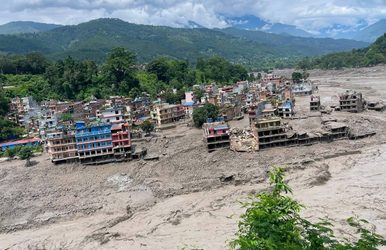
A massive and sudden Bhote Koshi flood struck Rasuwa district on August 26, 2026, after an unusually large surge of

Langtang Valley Trek Packing List Planning to trek in the beautiful Langtang region? One of the most common questions trekkers


Loading please wait...