

Trip Fact
There are some important facts about Gosaikunda trek
-
Max Altitude 4,380m
-
Difficulty Moderate
-
Duration 5-6 Days Walking
-
Trip Profile Gosaikunda Trek, Langtang Region
-
Type Trekking
-
Accommodation 3 star hotel in Kathmandu and Teahouse during the trek
-
Meals Provided All meals included (B/L/D)
Gosaikunda Trek Overview
The Gosaikunda Trek is a spectacular short-to-moderate trek in Nepal’s Langtang region, famous for its sacred alpine lakes, Himalayan scenery, and rich cultural heritage. The trail passes through Langtang National Park, taking you through lush forests, traditional mountain villages, and rugged alpine landscapes to Gosaikunda Lake at 4,380 meters (14,370 feet).
Gosaikunda Lake is one of Nepal’s most important pilgrimage sites for Hindus and Buddhists and is traditionally associated with Lord Shiva. The trek also offers stunning views of the Langtang Himalayas, Ganesh Himal, and surrounding peaks, along with beautiful forests, mountain landscapes, and local communities.
The classic Gosaikunda Trek route follows Kathmandu → Dhunche → Chandanbari (Sing Gompa) → Lauribina → Gosaikunda → Dhunche → Kathmandu. Combining Himalayan adventure, natural beauty, spirituality, and culture, the Gosaikunda Trek is an excellent choice for travelers looking for an unforgettable high-altitude experience in Nepal within a relatively short trekking itinerary.
Gosaikunda Trek Difficulty
The Gosaikunda Lake Trek is considered a moderately difficult trek in Nepal, making it suitable for beginners with good fitness as well as experienced trekkers.
The difficulty mainly comes from the continuous uphill climbs and high-altitude sections above 4,000 meters, especially near Lauribina and Gosaikunda Lake (4,380m).
Main Challenges of the Trek
- Steep uphill and downhill sections
- High altitude above 4,000m
- Thin air and risk of altitude sickness
- Cold temperatures, especially at night
- Rocky and uneven Himalayan terrain
Despite these challenges, the trek is very achievable for beginners with proper preparation, acclimatization, and a steady walking pace.
Gosaikunda Trek Altitude Chart

Gosaikunda Trek Route
Kathmandu → Dhunche → Sing Gompa/Chandanbari → Lauribina → Gosaikunda → Lauribina → Dhunche → Kathmandu
| Route Section | Approx. Elevation | Main Highlight |
|---|---|---|
| Kathmandu → Dhunche | 2,030 m | Scenic road journey |
| Dhunche → Sing Gompa | 3,330 m | Forests and Chandanbari |
| Sing Gompa → Lauribina | 3,910 m | Steep mountain trail |
| Lauribina → Gosaikunda | 4,380 m | High-altitude landscapes |
| Gosaikunda → Dhunche | — | Descending trail |
| Dhunche → Kathmandu | — | Drive back to Kathmandu |
Gosaikunda Trek Route Map

Why Choose the Gosaikunda Lake Trek?
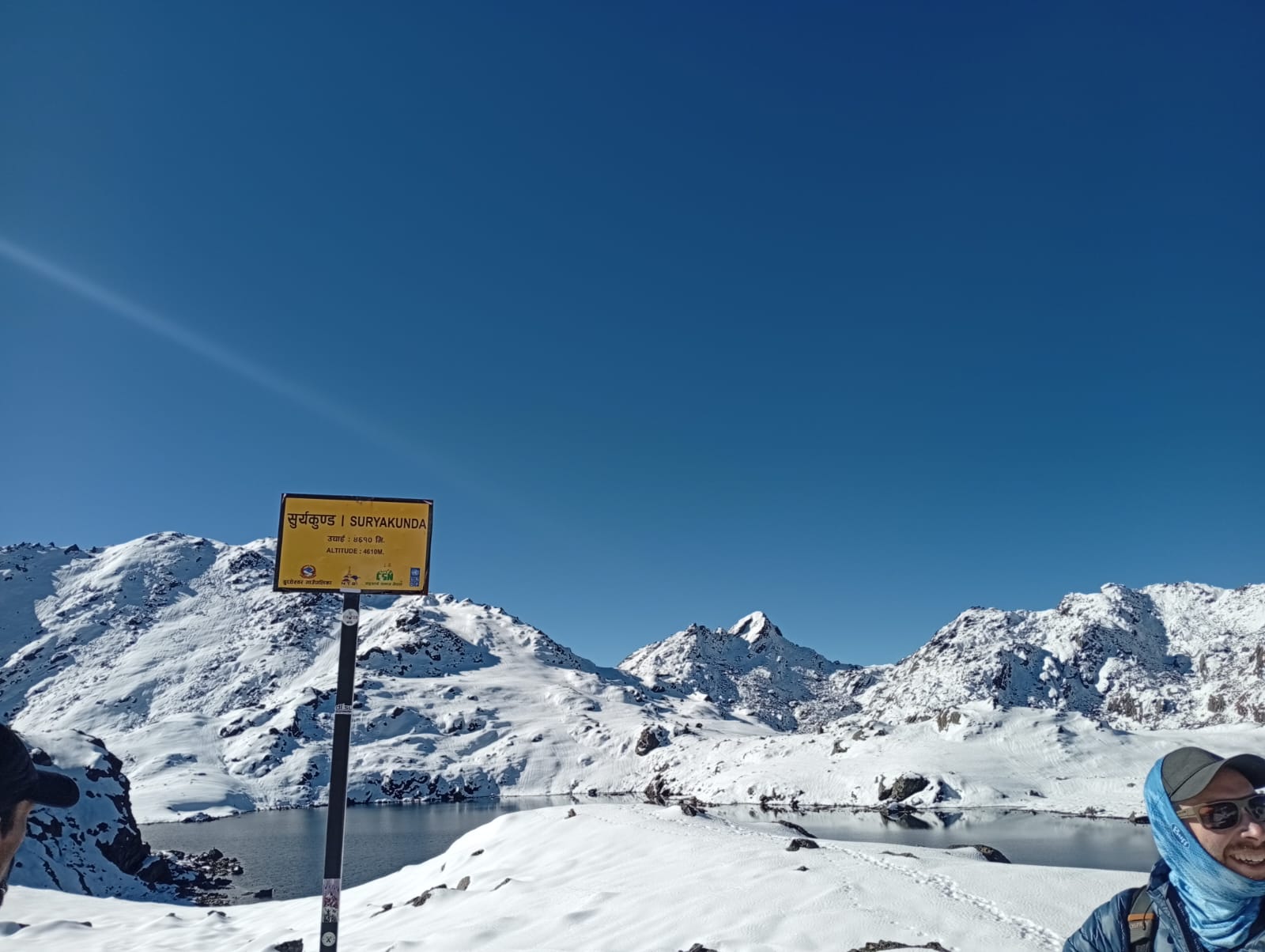
The Gosaikunda Lake Trek is one of the most rewarding short treks in Nepal, combining sacred alpine lakes, stunning Himalayan views, rich Tamang culture, and easy access from Kathmandu. Located inside the beautiful Langtang National Park, this trek leads to the holy Gosaikunda Lake (4,380m) and several sacred lakes including Bhairav Kunda, Saraswati Kunda, Surya Kunda, and Ganesh Kunda.
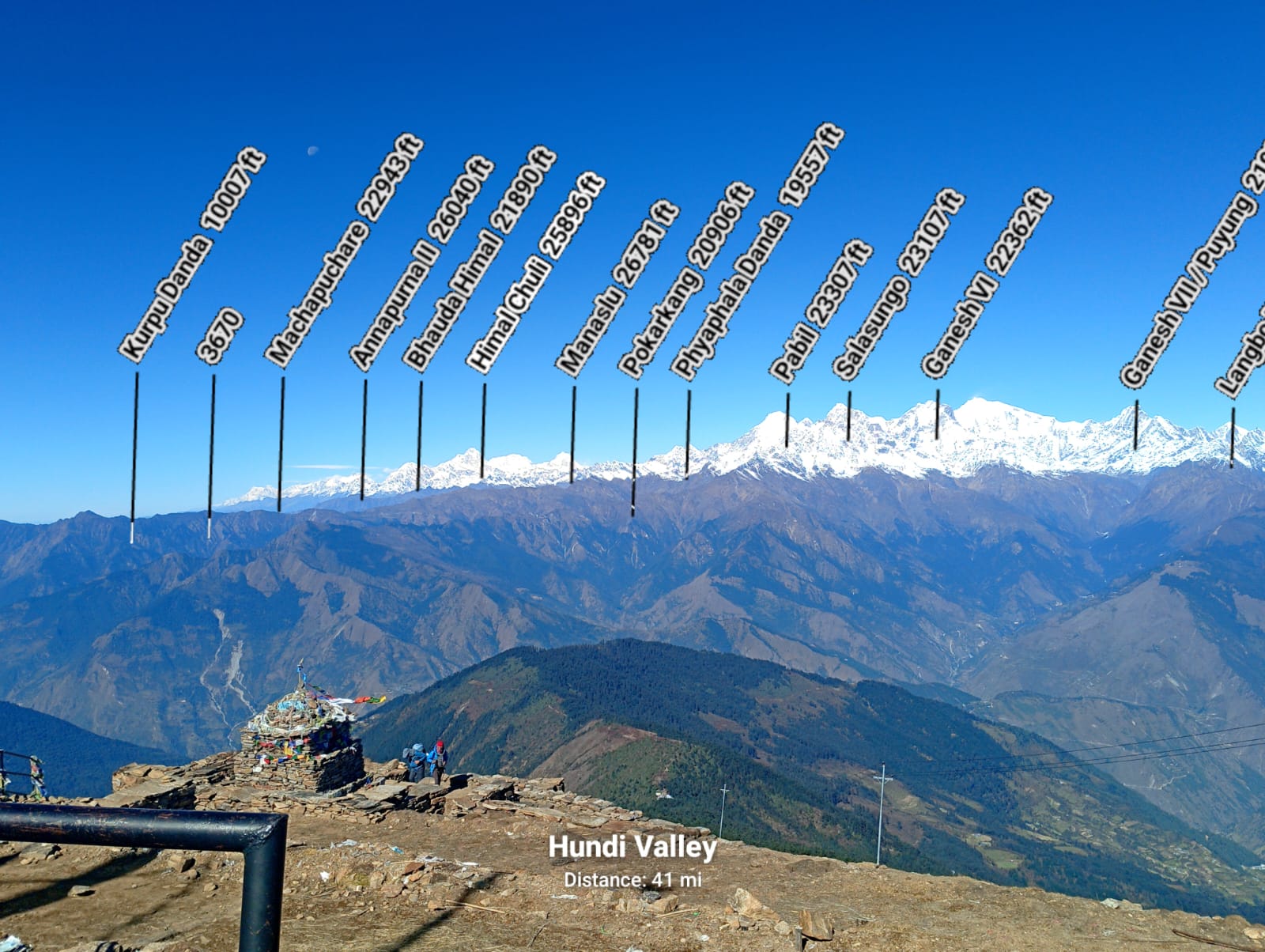
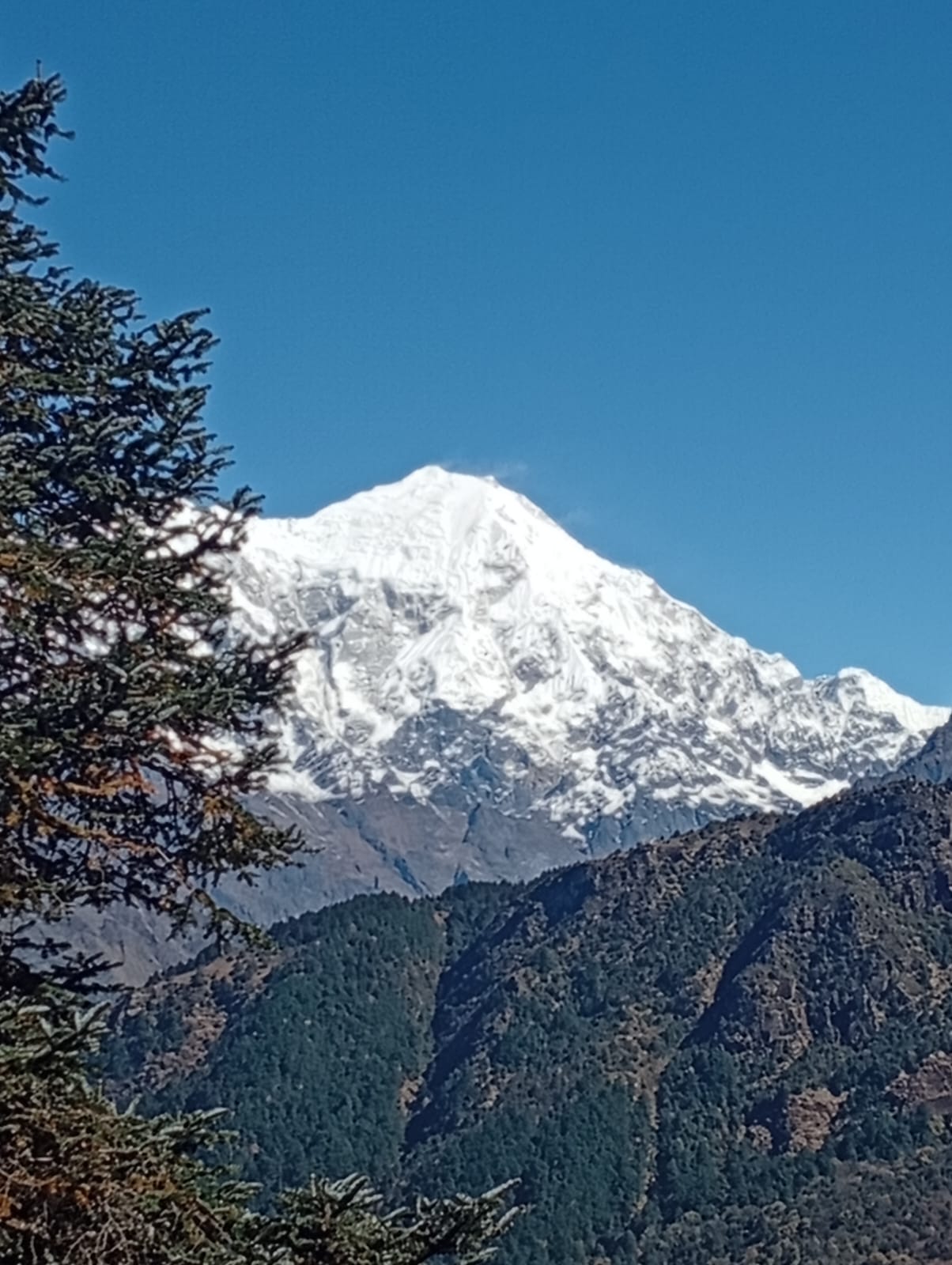
Trekkers enjoy breathtaking mountain panoramas of Langtang Lirung, Ganesh Himal, Manaslu, Dorje Lakpa, Himalchuli, and the Tibetan Himalayan range. Despite reaching high altitudes above 4,000 meters, the trek can be completed in just 5–7 days, making it one of the best short Himalayan treks in Nepal. Along the trail, visitors experience authentic Tamang culture, ancient Buddhist monasteries, traditional mountain villages, and warm local hospitality. With a scenic drive from Kathmandu to Dhunche, the Gosaikunda Trek offers an accessible and unforgettable adventure for beginners, families, pilgrims, and nature lovers alike.
Langtang National Park
Langtang National Park is Nepal’s first Himalayan national park and one of the country’s most important protected areas. Located north of Kathmandu, the park is renowned for its rich biodiversity, stunning mountain landscapes, and unique Himalayan ecosystems.
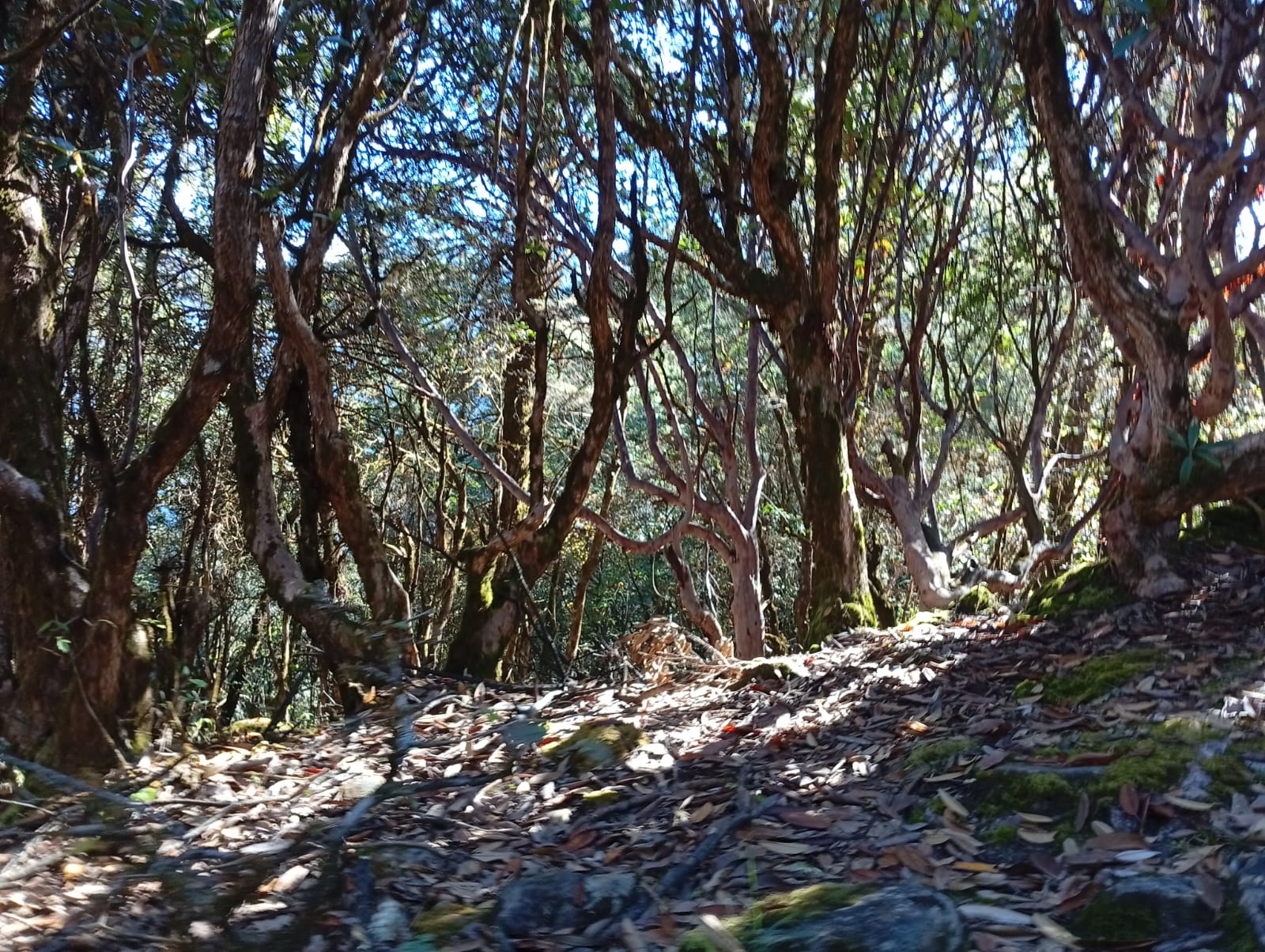
The park features diverse natural habitats ranging from subtropical forests and dense rhododendron woodlands to pine forests, alpine meadows, and glacial terrain. This remarkable variation in altitude creates a home for many rare and endangered wildlife species.
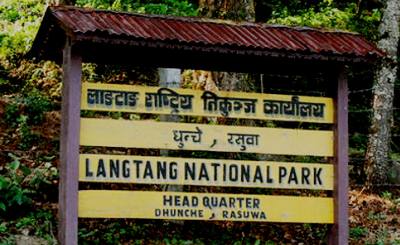
Trekkers visiting the Gosaikunda Lake Trek and Langtang region may encounter wildlife such as the Red Panda, Himalayan Tahr, Musk Deer, Langur Monkeys, and a variety of Himalayan bird species. The park is also known as a habitat for the elusive Snow Leopard.
Spring (March to May) is one of the best times to visit Langtang National Park, as hillsides and forests burst into color with blooming rhododendron flowers, creating some of the most beautiful trekking scenery in Nepal. Combined with spectacular mountain views and rich biodiversity, Langtang National Park offers an unforgettable experience for nature lovers, wildlife enthusiasts, and trekkers.
Sacred Lake of Gosaikunda
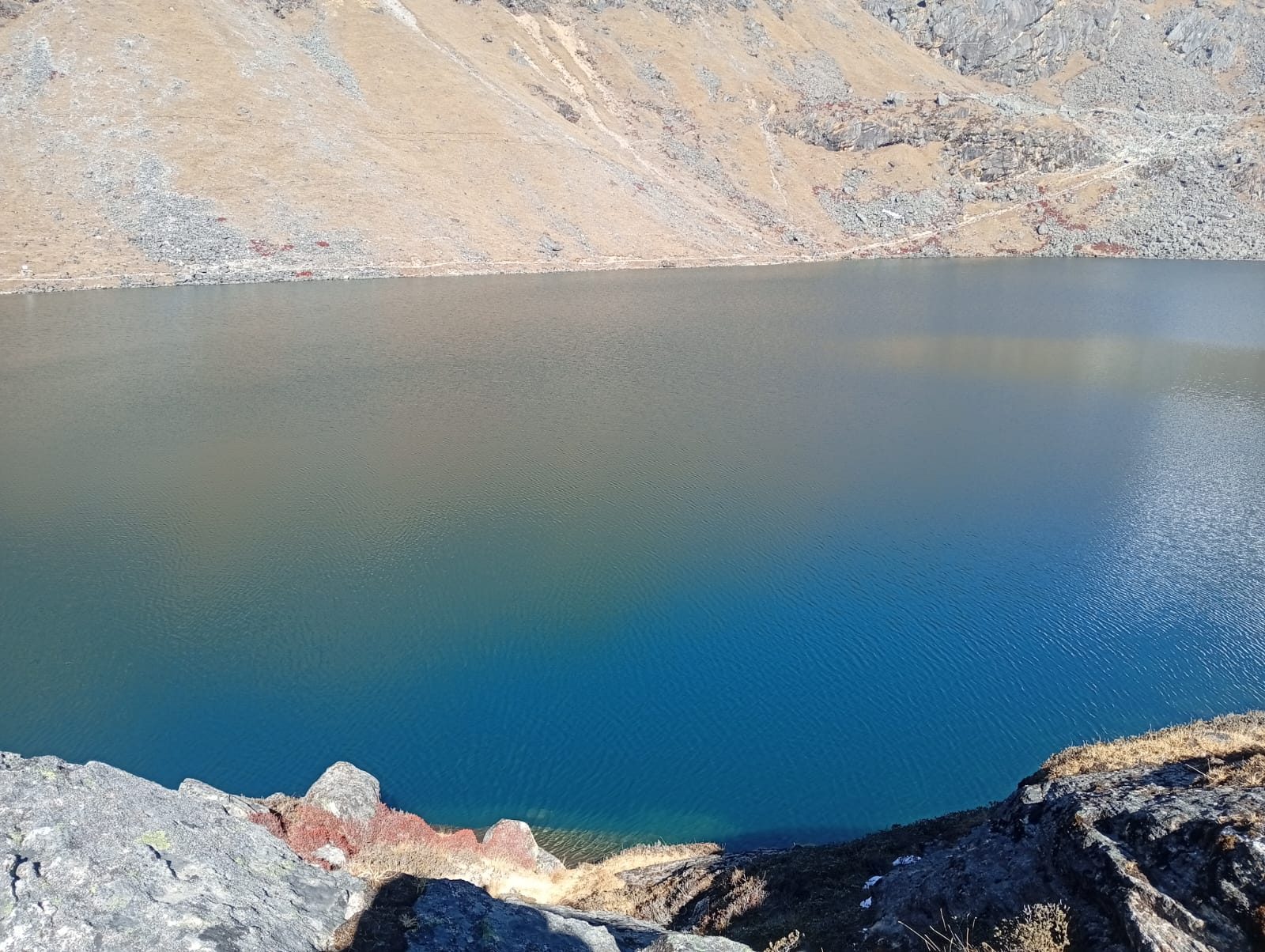
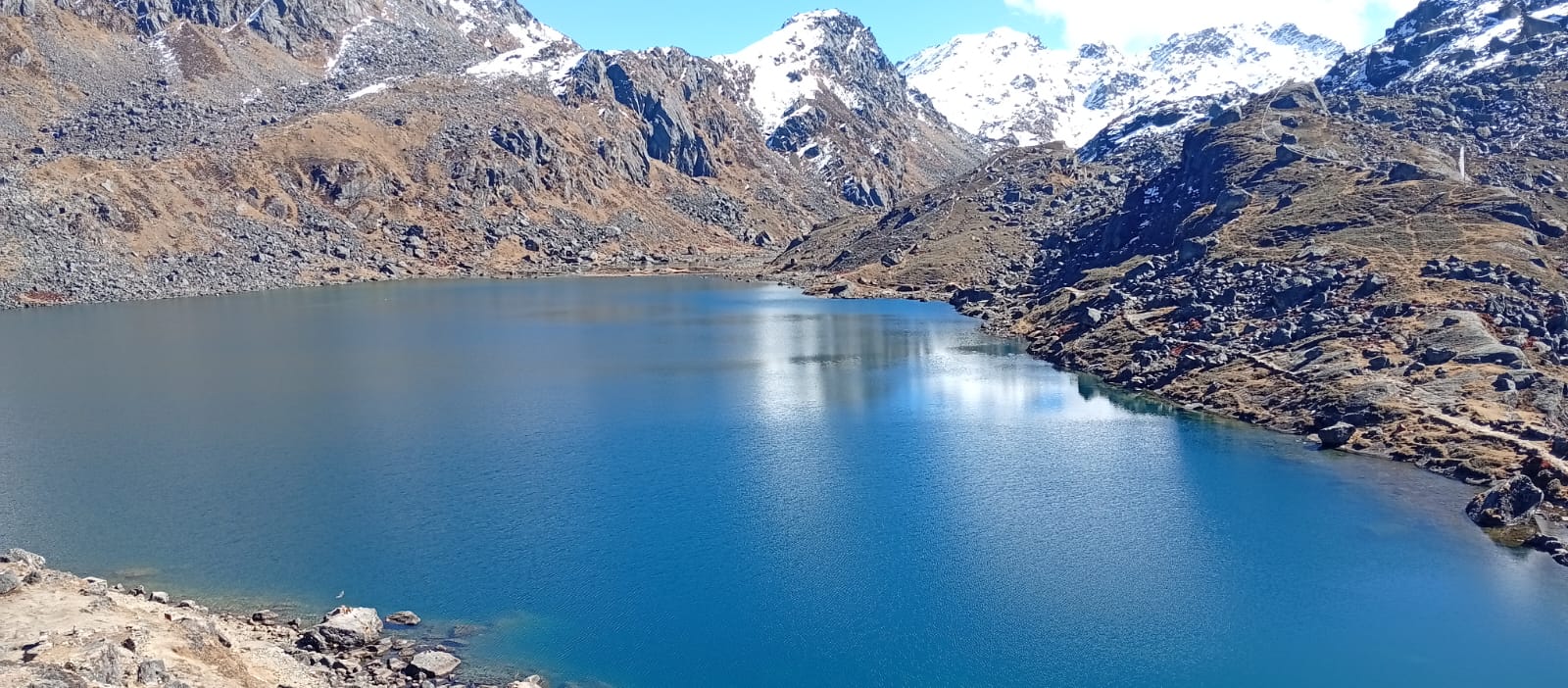
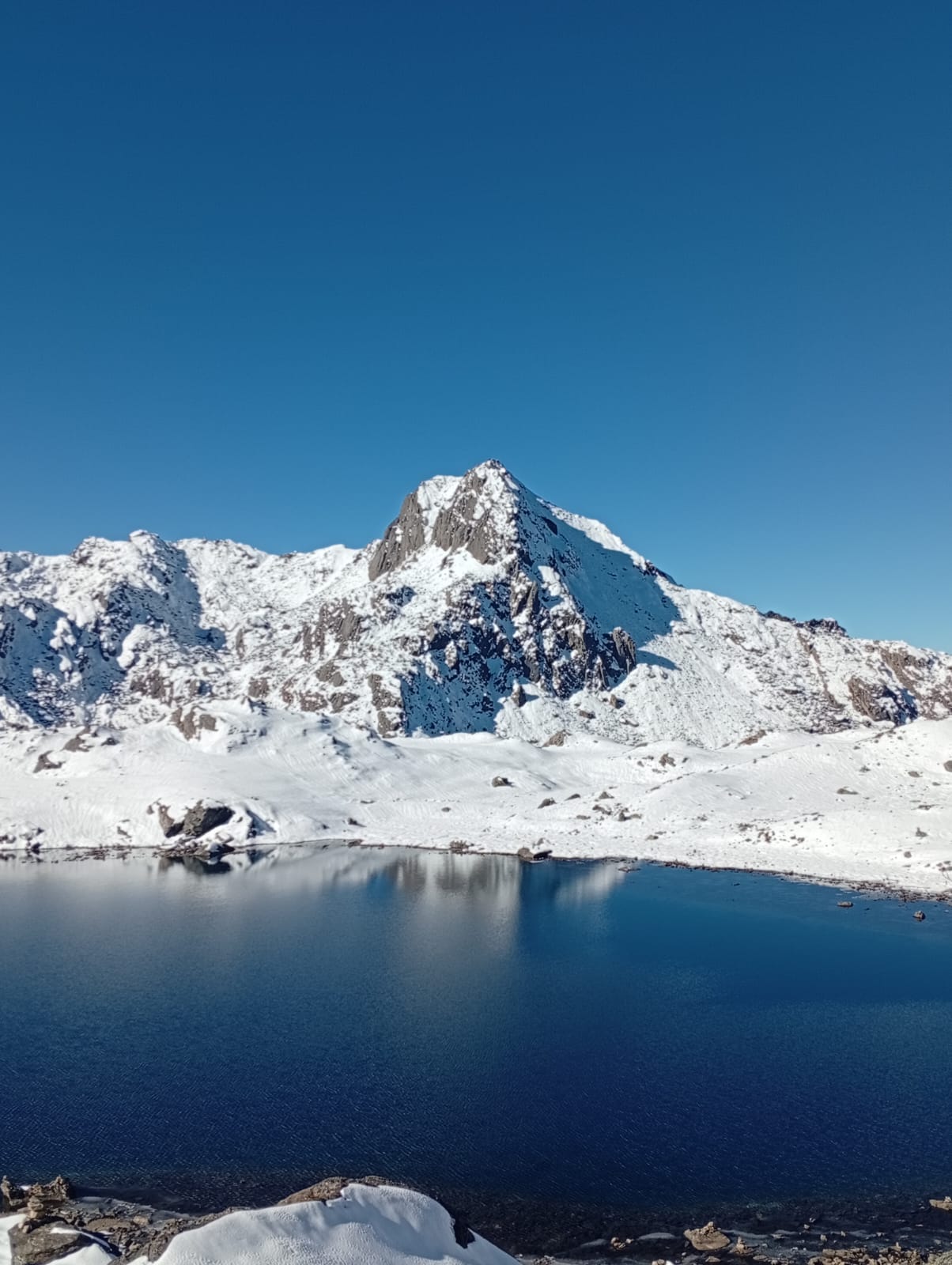
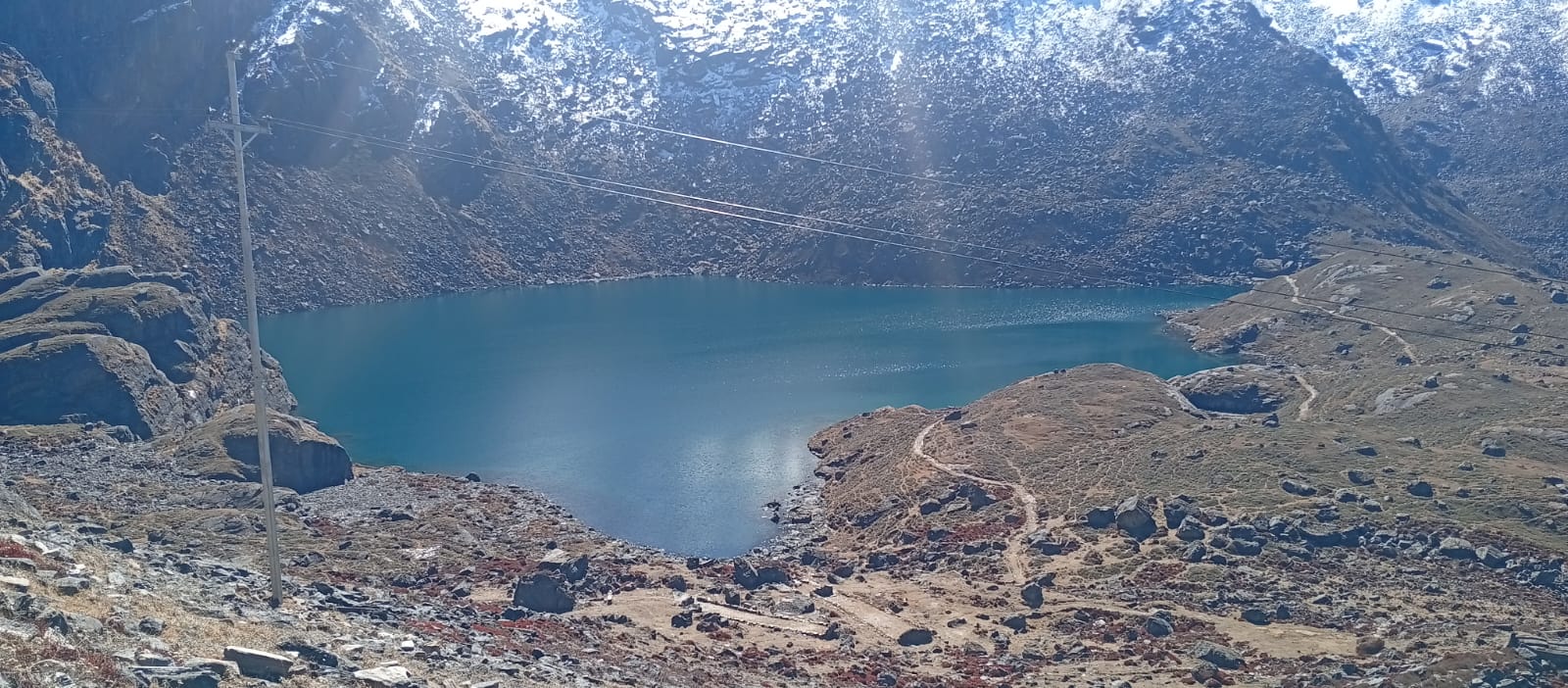
Gosaikunda Lake, situated at an altitude of approximately 4,380 metres (14,370 ft) in Nepal’s Langtang region, is one of the country’s most revered alpine lakes. Surrounded by rugged Himalayan landscapes, the crystal-clear lake holds deep religious significance for Hindu and Buddhist pilgrims.
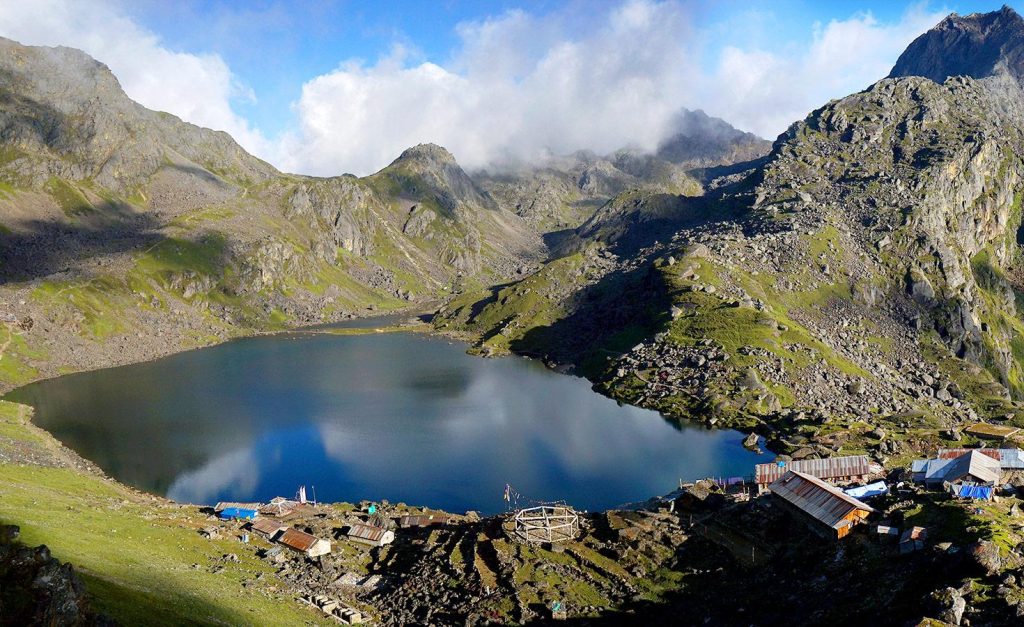
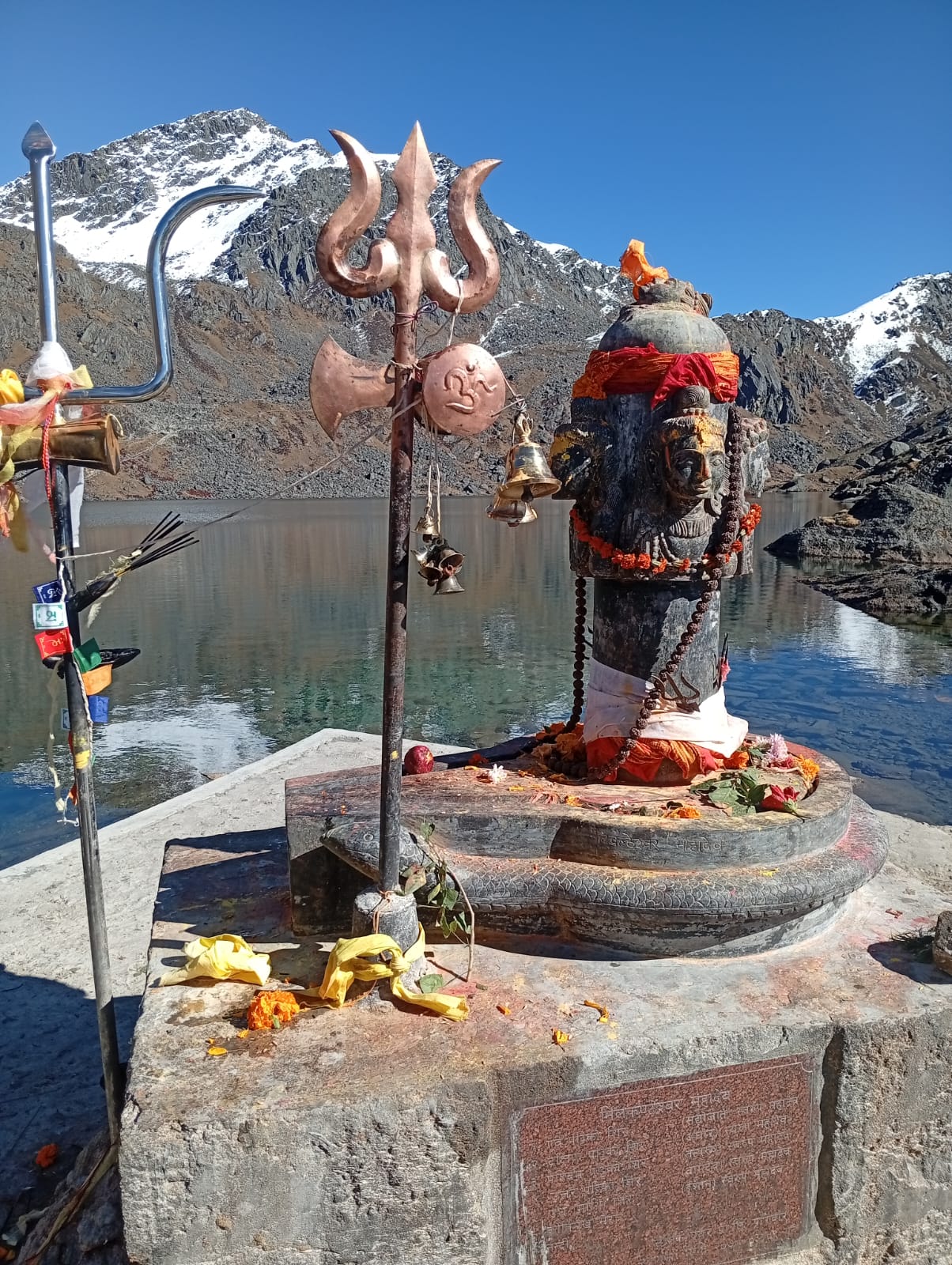
According to Hindu tradition, Gosaikunda is associated with Lord Shiva. It is believed that Shiva created the lake with his trident to obtain water after consuming poison. During Janai Purnima, thousands of pilgrims travel to this remote Himalayan lake to worship, bathe in its sacred waters and take part in religious traditions.
For trekkers, reaching Gosaikunda is more than simply arriving at a high-altitude lake. The journey combines spiritual heritage, Himalayan scenery and trekking adventure, making Gosaikunda one of the most distinctive destinations in the Langtang region.
Highlights of the 6-Day Gosainkunda Lake Trek Itinerary
This 6-day Gosaikunda Lake Trek itinerary is perfect for trekkers who want a short yet rewarding Himalayan adventure combining nature, culture, and sacred alpine lakes.
Day 1: Kathmandu to Dhunche
Day 2: Dhunche to Sing Gompa
Day 3: Sing Gompa to Lauribina
Day 4: Lauribina to Gosaikunda Lake
Day 5: Gosaikunda to Lauribina (Return Trek)
Day 6: Lauribina to Dhunche and Drive to Kathmandu
Gosaikunda Trek Detailed Itinerary
For your Nepal tour, choose to follow this exact itinerary or ask us to customise your trip.
Drive from Kathmandu to Dhunche
-
 Accomodation: Teahouse
 -
 Meals: Breakfast, Lunch, Dinner
 -
 Elevation: 1965m
 -
 Duration: 6 hr
Trek from Dhunche to Chandanbari/Sing Gompa
-
Accomodation: Teahouse
-
Meals: Breakfast, Lunch, Dinner
-
Elevation: 3900m
-
Duration: 6-7 hr
-
 Distance: 5.6 miles/9km
Trek from Chandanbari to Lauribina
-
Accomodation: Teahouse
-
Meals: Breakfast, Lunch, Dinner
-
Elevation: 39,00m
-
Duration: 4-5 hr
-
Distance: 5 miles/8 km
Trek from Lauribina to Gosaikunda
-
Accomodation: Teahouse
-
Meals: Breakfast, Lunch, Dinnner
-
Elevation: 4460m
-
Duration: 2-3 hr
-
Distance: 2.5 miles/4 km
Trek from Gosaikunda to Dhunche via Sing Gompa
-
Accomodation: Teahouse
-
Meals: Breakfast, Lunch, Dinner
-
Duration: 6-7 hr
-
Distance: 11 miles/18 km
Drive from Dhunche to Kathmandu
Today, We are driving back to Kathmandu. Get ready after your breakfast to take a local bus. There are options for private Jeeps also. We go through the road and pass through terraces, streams, and rivers. The local settlements, high hills, and along the Trishuli riverside look fantastic.
It takes about 6 to 7 hours to drive, depending on road traffic, to reach your hotel in Kathmandu. In the evening, join a farewell dinner. You can share your story and remember the memories of your Gosaikunda trek. Have some time for a stroll over the streets.
Gosaikunda Trek Route Map
-
Accomodation: 3 Star Hotel
-
Meals: Breakfast, Lunch, Farewell Dinner



Gosaikunda Lake Trek Cost 2026
Budget Trek Cost (Independent Trek)
A self-planned Gosaikunda Trek is more affordable but requires personal management of logistics such as transport, meals, and accommodation.
| Expense | Estimated Cost (USD) |
| Transportation | $20 – $60 |
| Permits | $25-$30 |
| Accommodation | $40 – $70 |
| Meals | $80 – $150 |
| Miscellaneous | $30 – $50 |
| Total Cost | $400– $600 |
Guided Trek Package Cost
A guided Gosaikunda Lake Trek package typically costs $400– $900 per person, depending on service level, group size, and itinerary.
This package usually includes:
- Transportation (Kathmandu–Dhunche–Kathmandu)
- All trekking permits (Langtang National Park & TIMS)
- Licensed trekking guide
- Accommodation during the trek
- Daily meals (breakfast, lunch, dinner)
- Trekking support and assistance
Why Choose a Guided Package?
A guided trek ensures safety, proper acclimatization, and a stress-free experience, especially in high-altitude regions like Gosaikunda (4,380m). It is ideal for beginners, groups, and international travelers who want a smooth and well-managed Himalayan adventure.
Gosaikunda Trek Permits 2026
To trek in the Gosaikunda Lake region, which lies inside Langtang National Park, trekkers must obtain official permits. These permits help conserve the environment, support local communities, and ensure trekker safety.
1. Langtang National Park Entry Permit
This permit is required for all trekkers entering the national park area.
- Foreigners: NPR 3,000
- SAARC Nationals: NPR 1,500
2. TIMS Card (Trekkers’ Information Management System)
The TIMS card is mandatory for trekking registration and safety tracking.
- Independent Trekkers: NPR 2,000
- Through Trekking Agency: NPR 1,000
Required Documents
- Passport copy
- Passport-sized photographs
- Cash payment (for permit fees)
Where to Get Permits
Permits can be easily obtained in Kathmandu (Nepal Tourism Board office) or directly at Dhunche, the gateway to the Gosaikunda Trek.
Best Time for Gosaikunda Trek
The Gosaikunda Lake Trek is one of the most popular short treks in Nepal, and choosing the right season makes a big difference in your experience. Generally, the best time for the Gosaikunda Trek is spring (March to May) and autumn (September to November) because of stable weather, clear skies, and excellent mountain views.
Spring is a very beautiful season for the Gosaikunda Trek. During this time, the trails inside Langtang National Park are filled with blooming rhododendron flowers, green forests, and fresh mountain air. The weather is mild and comfortable for walking, and trekkers can enjoy clear views of Langtang Lirung, Ganesh Himal, and surrounding peaks. Day temperatures are usually pleasant, while nights can be a bit cold at higher elevations, especially near Lauribina and Gosaikunda Lake.
Autumn is considered the best season for Gosaikunda Trek in Nepal. After the monsoon, the air becomes clean and the skies are crystal clear, offering the best visibility of the Himalayan mountains. The weather is stable, the trails are dry, and trekking conditions are very safe. This is the peak season for both beginners and experienced trekkers who want a smooth and scenic Himalayan adventure.
Winter (December to February) offers a different experience with snow-covered landscapes around Gosaikunda Lake. It is peaceful and less crowded, but the cold temperature and heavy snow can make the trek more challenging. Some routes may even be blocked due to snowfall, so proper preparation is required.
Monsoon season (June to August) is the least recommended time for the Gosaikunda Trek because of heavy rainfall, slippery trails, and leeches in the lower regions. However, the forests become very green and fresh, which can still attract some adventurous trekkers.
Overall, for the best experience, the Gosaikunda Lake Trek 2026 is highly recommended during spring and autumn, when weather conditions, mountain views, and trekking comfort are at their best.
Gosaikunda Lake Trek Weather by Month
Understanding the Gosaikunda Trek weather conditions is very important for planning a safe and comfortable journey. The temperature in the Langtang region changes depending on altitude and season, especially near Gosaikunda Lake (4,380m).
| Month | Day Temperature (°C) | Night Temperature (°C) |
| January | -5°C to 5°C | -15°C to -8°C |
| February | -3°C to 7°C | -12°C to -6°C |
| March | 2°C to 12°C | -8°C to -2°C |
| April | 5°C to 15°C | -5°C to 2°C |
| May | 8°C to 18°C | 0°C to 5°C |
| October | 5°C to 15°C | -3°C to 3°C |
| November | 0°C to 12°C | -8°C to -2°C |
| December | -3°C to 8°C | -12°C to -5°C |
Gosaikunda Trek Packing List
A proper Gosaikunda Trek packing list is very important for a safe and comfortable journey in the Himalayas. Since the trek reaches high altitude above 4,000m, weather can be cold, windy, and unpredictable, so packing the right gear will make your Gosaikunda Trek much easier and more enjoyable.
Clothing for Gosaikunda Trek
For changing mountain weather, layering is the most important strategy. You should carry thermal base layers to keep your body warm, especially during cold nights. A fleece jacket and a warm down jacket are essential for high-altitude areas like Lauribina and Gosaikunda Lake. A waterproof jacket helps protect you from rain and wind. Trekking pants, warm gloves, a winter hat, neck gaiter, and thick warm socks are also necessary to stay comfortable in cold conditions.
Footwear for Gosaikunda Trek
Good footwear is very important for safety and stability on rocky trails. Waterproof trekking boots are highly recommended for the Gosaikunda Trek route. Camp sandals are useful for relaxing in teahouses. In winter season, microspikes may be needed for icy trails near the lake.
Trekking Equipment
Essential trekking gear includes trekking poles for support on steep climbs and descents. A sleeping bag rated to at least -10°C is recommended for cold nights. A headlamp is useful for early morning or evening movement. A power bank is important because charging facilities are limited in higher villages. You should also carry water bottles and water purification tablets for safe drinking water during the trek.
Personal Care Items
Carry sunscreen SPF 50+ to protect from strong mountain UV rays. Lip balm helps prevent dry and cracked lips in cold weather. Wet wipes, hand sanitizer, and personal medicines are also important for hygiene and safety during the trek.
Important Documents
For the Gosaikunda Trek 2026, always carry your passport, trekking permits, travel insurance, and enough cash in Nepalese Rupees, as ATM facilities are not available in the trekking route.
Gosaikunda Trek for Beginners
The Gosaikunda Lake Trek is a great option for beginners who want to experience a real Himalayan adventure without doing a very long or technical trek. Many first-time trekkers choose this route because it offers beautiful mountain views, sacred lakes, and a short itinerary from Kathmandu.
Yes, the Gosaikunda Trek is suitable for beginners if you have basic physical fitness and prepare properly before the journey. The trail includes some steep uphill climbs and reaches altitudes above 4,000 meters, so walking slowly and steadily is very important.
For beginners, proper acclimatization and hydration are key to avoiding altitude sickness. Taking regular breaks, eating well, and maintaining a slow pace will make the trek much easier and more enjoyable.
Hiring a licensed trekking guide is highly recommended for beginners on the Gosaikunda Trek. A guide helps with navigation, safety, local culture understanding, and proper pacing, which significantly improves both safety and overall trekking experience.
With the right preparation and mindset, even first-time trekkers can successfully complete the Gosaikunda Trek and enjoy one of the most rewarding short treks in Nepal.
Gosaikunda Trek vs Langtang Valley Trek
Gosaikunda Lake Trek
The Gosaikunda Trek is ideal for trekkers who want a spiritual and high-altitude lake experience. It is famous for its sacred alpine lakes and dramatic mountain scenery.
Choose Gosaikunda Trek if you want:
- Sacred lakes like Gosaikunda, Bhairav Kunda, and Saraswati Kunda
- A shorter trekking duration (around 5–7 days)
- More dramatic high-altitude landscapes above 4,000m
- A spiritual and pilgrimage-focused destination
Langtang Valley Trek
The Langtang Valley Trek is more focused on valley landscapes, villages, and cultural experiences. It is one of the best treks for gradual altitude gain and cultural immersion.
Choose Langtang Valley Trek if you want:
- More village and cultural experiences with Tamang communities
- A gradual ascent with better acclimatization
- A longer itinerary of around 8–10 days
- Green valleys, glaciers, and panoramic mountain views
Travel Tips for Gosaikunda Trek
The Gosaikunda Lake Trek is a high-altitude trek, so good preparation is important for a safe and enjoyable journey. Start trekking early every morning to avoid weather changes and finish the day on time. Drink at least 3–4 liters of water daily to stay hydrated and reduce the risk of altitude sickness. Avoid alcohol during the trek, especially at higher elevations, as it can cause dehydration.
Carry enough Nepalese cash because there are no ATMs on the route. A power bank is essential since charging facilities are limited in higher villages. Respect local culture, monasteries, and prayer flags as the trail passes through spiritually important areas of the Langtang region.
For better safety and navigation, traveling with a licensed guide is highly recommended, especially for beginners. Finally, pack light but make sure to include warm clothing, as temperatures drop significantly above 3,000–4,000 meters.
Extend Your Gosaikunda Trek
If you have a little more time after completing the Gosaikunda Lake Trek, you can beautifully extend your journey into the deeper Himalayan regions of Langtang Valley or descend through the cultural trail of Helambu Valley. This extension turns a short trek into a complete Himalayan adventure, combining sacred lakes, glaciers, traditional villages, and rich cultural experiences in one trip.
Extend to Langtang Valley (5–7 Days Extension)
If you want to continue north after Gosaikunda, the Langtang Valley Trek extension is the perfect choice. The langtang valley trek route is
Gosaikunda → Lauribina → Thulo Syabru → Lama Hotel → Langtang Village → Kyanjin Gompa
This extension usually takes 5–7 extra days and offers stunning views of Langtang Lirung, glaciers, yak pastures, and traditional Tamang settlements. You can also hike to Kyanjin Ri (4,773m) or Tserko Ri (5,000m) for breathtaking Himalayan panoramas.
This 4–6 day Helambu extension is less crowded and ideal for experiencing Hyolmo culture, monasteries, waterfalls, and forest trails. It is a perfect way to end your trek with a relaxing cultural journey.
Helambu Region (4–6 Days Extension)
Another beautiful option is to extend your trek towards the Helambu region, known for its peaceful villages and cultural richness. The Route of helambu trek is
Gosaikunda → Laurebina La Pass → Ghopte → Thadepati → Melamchi Gaon → Tarkeghyang → Sermathang,
Ethnic Groups and Culture on the Gosaikunda Trek
The Gosaikunda Lake Trek is not only a natural adventure but also a cultural journey through diverse Himalayan communities. The trail passes through traditional villages where different ethnic groups preserve their unique lifestyle, language, and ancient traditions.
Tamang Culture (Main Ethnic Group of Langtang Region)
The Tamang community is the dominant ethnic group in the Gosaikunda and Langtang region. They are known for their warm hospitality, rich Tibetan-influenced culture, and deep Buddhist traditions. Most villages along the trail reflect Tamang heritage, including prayer flags, mani walls, and ancient monasteries.
Their lifestyle is closely connected to agriculture, animal husbandry, and mountain trade. Traditional music, dance, and festivals like Lhosar are an important part of their cultural identity.
Hyolmo (Helambu Region Culture)
In the Helambu side of the trek, you will encounter the Hyolmo community, who follow a unique blend of Buddhism and local traditions. They are known for their peaceful lifestyle, beautiful monasteries, and strong spiritual practices.
Villages like Tarkeghyang and Sermathang showcase authentic Hyolmo culture, where travelers can experience local homestays, traditional food, and centuries-old Buddhist rituals.
Sherpa and Other Mountain Communities
In higher and more remote areas, you may also find small settlements influenced by Sherpa and Tibetan culture. These communities are deeply connected with high-altitude mountain life, yak herding, and Buddhist spirituality.
Cultural Experience on the Trek
The Gosaikunda Trek cultural experience is one of its biggest highlights. From prayer flags fluttering in the wind to ancient monasteries on the hills, every step of the journey reflects spiritual meaning and traditional Himalayan life.
Gosaikunda Trek Accommodation: Teahouses, Rooms & Facilities
During the Gosaikunda Trek, accommodation is mainly provided in traditional teahouses and mountain lodges. Facilities become more basic as you gain altitude, particularly around Gosaikunda Lake. Rooms are generally clean and comfortable for a mountain trekking environment, but trekkers should not expect hotel-level facilities at higher elevations.
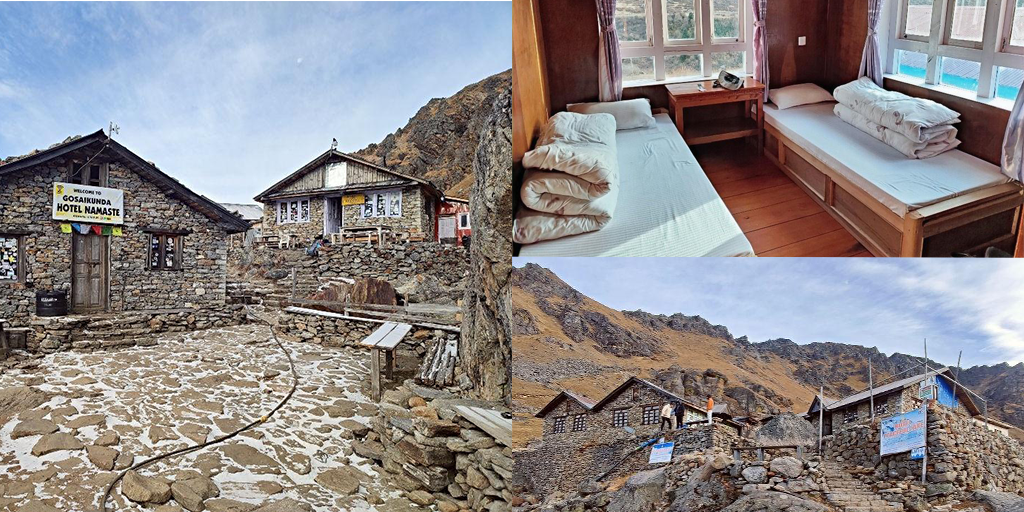
Teahouse & Lodge Rooms
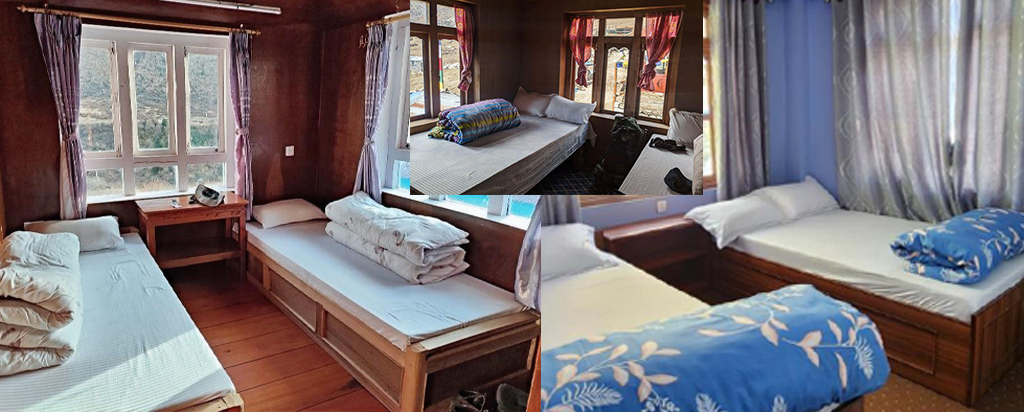
Most nights are spent in small family-run teahouses or lodges. Rooms are generally simple and designed for trekkers. At lower elevations, accommodation may have slightly better facilities, while lodges near Gosaikunda are more basic because of the high-altitude environment.
Twin-Sharing Rooms
Most accommodation is arranged on a twin-sharing basis, with two trekkers sharing one room. Rooms usually contain two single beds with mattresses, pillows and blankets. Single rooms may sometimes be available at additional cost, depending on the lodge and availability.
Toilets & Hot Showers
Toilet facilities vary from lodge to lodge. At lower elevations, some teahouses have attached or shared western-style toilets, while higher-altitude lodges generally have shared facilities.
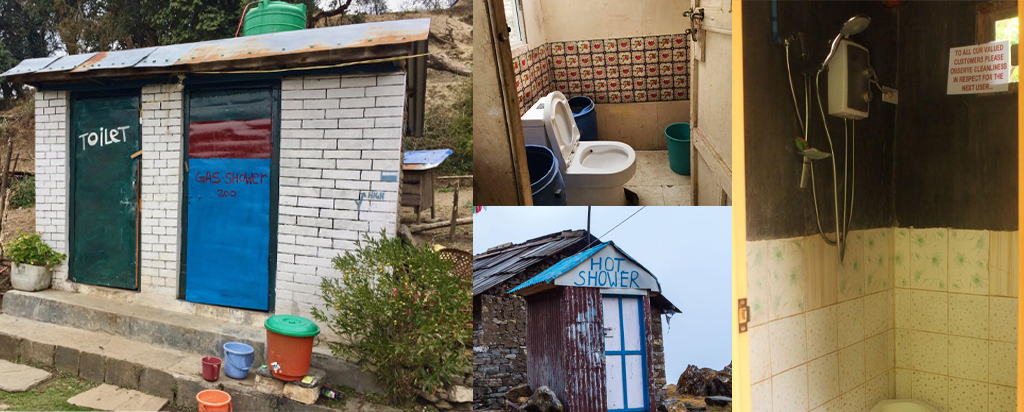
Hot showers may be available at some teahouses for an additional charge. Near Gosaikunda, facilities are more basic and hot showers may not always be available.
Charging Facilities
Electricity and charging facilities are available in many teahouses, particularly in larger villages. However, charging may cost an additional fee, and availability can be limited at higher elevations.
We recommend carrying a power bank because electricity can be limited or interrupted in remote mountain areas.
Wi-Fi & Mobile Network
Wi-Fi may be available at some teahouses for an additional fee, but the connection can be slow or unreliable. Mobile network coverage also varies along the trail.
Trekkers should therefore not depend on continuous internet access during the trek.
Blankets & Warmth
Teahouses normally provide blankets, but temperatures around Gosaikunda can become very cold, especially at night. A good sleeping bag is strongly recommended even when blankets are provided.
Food Facilities during Gosaikunda trek
Teahouses usually have dining areas where trekkers can enjoy freshly prepared meals. Common options include:
- Dal Bhat (rice, lentils and vegetables)
- Noodles
- Pasta
- Rice and curry
- Tibetan bread
- Soups
- Eggs
- Momos
- Tea and coffee
- Basic breakfast options
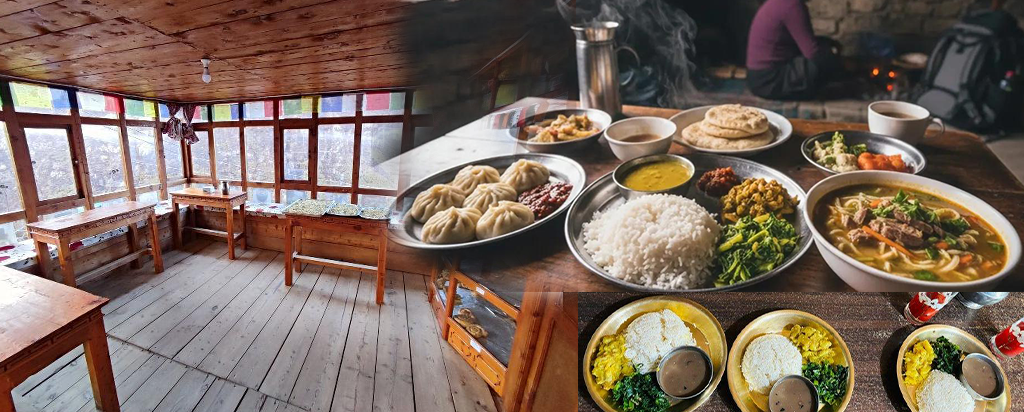
Food choices can become more limited as you approach Gosaikunda because supplies have to be transported into the high mountains.
Gosaikunda Trek Cost
Book this 6-day private trek for 2 from just USD $410 per person. Ask us for a quote for larger groups.
We calculate the exact cost of your trip package based on your customised travel plan and the number of people trekking. This way, you only pay for what you want and if you prefer, you can choose to make some of your own arrangements – like city hotels.
Ask for a quote today with no obligation to book!
As standard, our quotes include and exclude the following. Our Gosaikunda Trek package cost is carefully designed to cover all essential services. However, when we provide a quote we’ll explain exactly what is and isn’t included in the cost, based on your customised itinerary.
| No of Pax | Cost | INQUERY |
| 1 pax | USD 410 | SEND INQUERY |
| 2-4 pax | USD 395 | SEND INQUERY |
| 5-10 pax | USD 380 | SEND INQUERY |
If more than 10 people are in the group, please contact us for a special group offer on WhatsApp.
What's Included
- Transfers from and to Kathmandu International Airport
- Excellent 3* hotel shared accommodation (twin or triple share) in Kathmandu with breakfast (optional for an extra cost: choose to stay in a luxury city hotel)
- Shared accommodation in teahouses (usually 2 people per room) during the trek
- All meals during the trek – choose a standard option from the menu at breakfast, lunch and dinner
- Experienced and friendly English-speaking Guide; their salary, accommodation, meals and insurance
- Langtang National Park Trekking Permit.
- TIMS Card for the Gosaikunda Trek.
- All government taxes
- Trek route map and completion certificate
What's not Included
- All tea, coffee,mineral water (we recommend water purification tablets), and bar bills (coke, juice, beer, etc.)
- International airfare
- Travel insurance
- Nepal entry visa fees
- Tips for guides and porters
- Sightseeing costs (transport, attraction entry fees and cultural tour guide)
- Credit card fees and bank charges (no charge if cash paid in a major currency)
Optional Add-ons for Your Gosaikunda Trek
Make your Gosaikunda Trek more comfortable and flexible with these optional services from Nepalorama Trekking. You can choose any option based on your needs.
Porter Service – USD 120
If you don’t want to carry your heavy bag, you can hire a porter. The porter will carry your luggage so you can walk easily and enjoy the trek. One porter can carry up to 25 kg and can be shared by two trekkers.
Private Jeep from Kathmandu to Dhunche– USD 100
Instead of using a local bus, you can travel in a private jeep from Kathmandu to Syabrubesi (the trek starting point). The jeep is more comfortable and faster. One jeep can carry 5–6 people.
Private Jeep from Dhunche to Kathmandu – USD 100
After finishing the trek, you can return to Kathmandu by private jeep for a smooth and comfortable ride. Each jeep can carry 5–6 passengers.
Gosaikunda Trek Image Gallery
FAQs on Gosaikunda Trek
How long is the Gosaikunda Trek?
The standard Gosaikunda route takes around 5–7 days, depending on the starting point, transportation, walking pace, and itinerary. Most trekking days involve approximately 4–7 hours of walking, with the section toward Gosaikunda becoming more demanding because of the rapid altitude gain.
How difficult is Gosaikunda Trek?
The Gosaikunda Trek is generally considered a moderate to moderately challenging trek. The main challenge is the rapid gain in altitude, especially when ascending toward Gosaikunda Lake at 4,380 metres. Physical fitness, proper acclimatization and a suitable itinerary are important.
How many days is Gosaikunda Trek?
A standard Gosaikunda Trek can be completed in around 5–7 days, depending on the starting point and itinerary. Longer itineraries can combine Gosaikunda with Langtang Valley or Helambu.
How high is Gosaikunda Lake?
Gosaikunda Lake is located at approximately 4,380 metres (14,370 ft) above sea level. It is one of the most important high-altitude pilgrimage sites in Nepal.
What is the best month for Gosaikunda Trek?
The best periods are generally spring (March–May) and autumn (September–November). October and November usually offer particularly clear mountain views and stable trekking conditions, while spring brings rhododendron blooms.
Is Gosaikunda Trek suitable for beginners?
Yes, fit beginners can do the trek, particularly with a gradual itinerary and proper preparation. However, reaching 4,380 metres makes it more demanding than many low-altitude beginner treks. A longer itinerary is preferable for first-time trekkers.
Can beginners do Gosaikunda Trek?
Yes. Beginners should prepare with regular walking, hiking or cardio exercise before the trek and choose an itinerary that allows adequate time for acclimatization. The guide should also monitor trekkers for symptoms of altitude sickness.
Do I need a guide for Gosaikunda Trek?
Yes. Under Nepal’s current TIMS provisions, Gosaikunda Trek is among the routes requiring trekkers to be accompanied by a licensed trekking guide and to obtain an agency-issued TIMS card.
What permits are required for Gosaikunda Trek?
For the standard Gosaikunda route, trekkers generally need:
Langtang National Park Entry Permit
TIMS Card
The current Langtang National Park entry fee listed by Nepal Tourism Board is NPR 3,000 for foreigners, NPR 1,500 for SAARC nationals and NPR 25 for Nepali citizens.
Is there snow on Gosaikunda Trek?
Yes, snow is possible, particularly during winter and early spring at higher elevations. Snow conditions vary from year to year. Winter can make the upper trail significantly more challenging.
Is Gosaikunda Trek safe?
Yes, it is a popular trekking route, but high altitude, rapidly changing weather, snow and slippery trails can create risks. Trek with a licensed guide, follow a sensible pace, stay hydrated and do not ignore symptoms of altitude sickness.
Can I trek Gosaikunda in winter?
Yes, experienced and properly equipped trekkers can trek during winter, but it is considerably more challenging. Snow and freezing temperatures can affect the upper trail, and some lodges or routes may have limited availability. Winter is not the best choice for inexperienced trekkers.
Can I trek Gosaikunda during monsoon?
Yes, but it is not the most recommended season for a conventional trekking experience. June–August can bring rain, slippery trails, leeches and cloudy mountain views. However, August is significant because of the Janai Purnima pilgrimage to Gosaikunda.
Can I combine Gosaikunda with Langtang?
Yes. Gosaikunda can be combined with the Langtang Valley Trek to create a longer and more varied Himalayan journey. This combination allows trekkers to experience both the Langtang Valley and the sacred lakes around Gosaikunda.
How far is Gosaikunda from Kathmandu?
The distance is best understood in terms of travel time rather than road kilometres, because the trek begins after driving into the Langtang/Gosaikunda region. Dhunche is approximately 117 km by road from Kathmandu, according to Nepal Tourism Board. From there, the trek continues on foot toward Gosaikunda.
Association


