


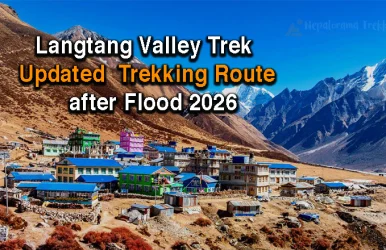
Langtang Valley Trek After Flood follows an alternative route via Thulo Syabru after the August 2026 flash flood. The Bhotekoshi

Team Nepalorama

Langtang Trek is one of the most beautiful, culturally rich, and budget-friendly trekking routes in Nepal. It is close to Kathmandu, the Langtang region offers dramatic Himalayan landscapes, traditional Tamang and Sherpa villages, sacred lakes, and peaceful trekking trails away from overcrowded routes like Everest and Annapurna.
If you are planning a trek and wondering how much the Langtang Trek cost 2026, this blog provides a clear, honest, and detailed cost breakdown. This guide is written in simple language, based on real trekking experiences, and focuses on practical budgeting rather than unrealistic promises.
Langtang trek cost is a combination of package cost and personal expenses. On average, trekkers should plan a budget of USD 700–900 for a comfortable Langtang Valley Trek. Depending on your preferences, the total cost can range from USD 500 to USD 1,200.
The final cost depends on several important factors such as trek duration, season, group size, services included, and personal spending habits.
Trekking in the Himalayas is never cheap because most trekking routes reach high-altitude and remote areas where road access is limited or completely unavailable. All food, fuel, and supplies must be carried by porters, pack animals, or helicopters, which naturally increases the cost in the mountains.
The main factors affecting Langtang Trek cost are:
Trek duration (5, 7, 8, or 11 days): The length of the trek directly impacts the overall cost. A shorter trek means fewer days of accommodation, meals, guide fees, and porter expenses. Longer itineraries, such as an 8 or 11-day Langtang trek, naturally cost more due to additional nights and services in the mountains.
Trekking season (spring, autumn, winter, or monsoon): Season plays a major role in pricing:
Spring (March–May) and Autumn (September–November) are peak seasons with higher demand and slightly higher costs.
Winter (December–February) and Monsoon (June–August) offer lower prices but come with weather challenges.
Choosing an off-season can help reduce overall trekking expenses.
Group size (solo vs group trekking) : Solo trekkers usually pay more because costs like guide fees and transportation are not shared. Group trekking reduces the per-person cost significantly. This makes group size one of the biggest factors in determining Langtang trek cost.
Type of trekking package : Trekking agencies offer different package levels:
Accommodation standard : Accommodation on the Langtang trek is based on simple teahouses. While luxury lodges are not available, choosing private rooms or better-maintained teahouses can slightly increase the cost compared to shared basic rooms.
Food and drink choices : Food prices increase with altitude due to transportation difficulties. Eating local meals like dal bhat is cheaper, while imported foods, snacks, soft drinks, and alcohol increase daily expenses.
Transportation type : Transportation from Kathmandu to Syabrubesi can be by:
Guide and porter services : Hiring a licensed guide is highly recommended for safety and local knowledge. Adding a porter increases comfort by reducing physical load but also adds to the total cost. These services are worth the expense for a smoother trekking experience.
Extra services like Wi-Fi, charging, and hot showers: Basic services like Wi-Fi, phone charging, and hot showers are usually available at teahouses for an extra fee. These small daily charges can add up over the course of the trek and should be considered while budgeting.
Understanding these factors helps you manage your budget wisely.
Most international visitors to Nepal need a tourist visa on arrival at Tribhuvan International Airport in Kathmandu or at designated land border checkpoints. The visa cost depends on the length of stay: a 15‑day visa costs about USD 30, a 30‑day visa costs around USD 50, and a 90‑day visa is generally USD 125. Your passport must be valid for at least six months, and carrying a passport‑size photo can make the process smoother. Indian nationals do not need a visa to enter Nepal. The Nepal tourist visa fee must be paid in USD or equivalent in major foreign currencies.
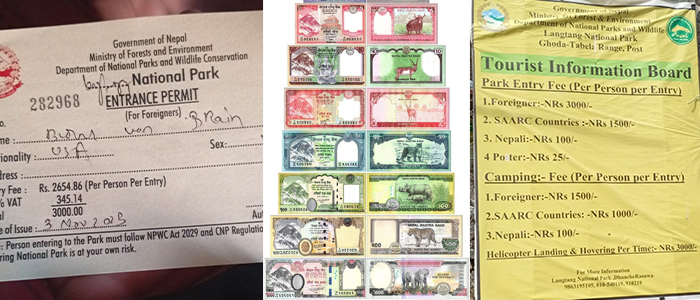
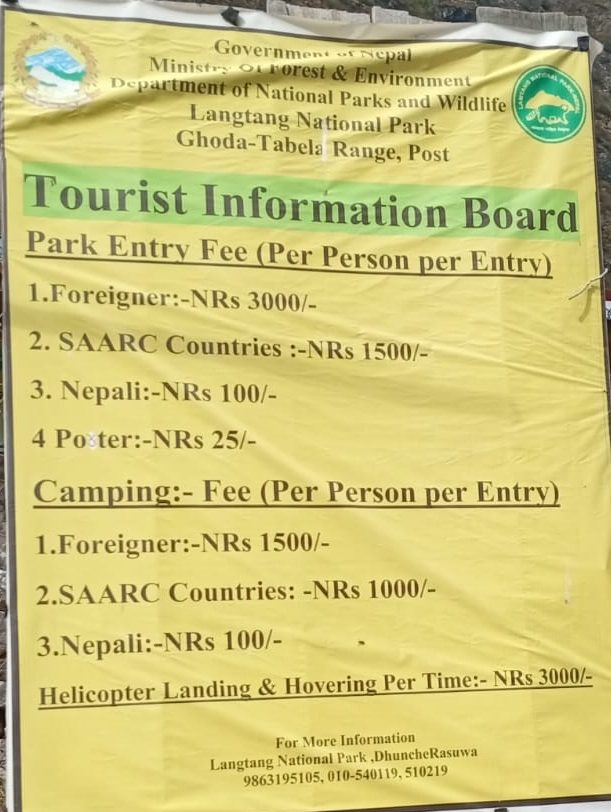
Permits are mandatory for trekking in the Langtang region. Trekking without permits can result in fines or legal penalties.
Langtang National Park Entry Permit
TIMS Card (Update)
Currently, individual trekkers are not required to obtain a TIMS card for Langtang. However, rules may change, so always confirm before trekking.
Permits can be obtained from the Nepal Tourism Board in Kathmandu or at the trail entry point (more expensive).
Trekking alone gives you full control over your schedule and pace, but it usually costs more per person compared to group trekking. Here’s why:
Fixed costs are not shared: Items like guide fees, jeep transport, and porter wages must be covered entirely by you.
Higher guide and porter rates: Guides and porters often charge the same daily rate whether you are one person or part of a group.
Less bargaining power: Group trekkers often receive better deals on accommodation, meals, and local services.
For solo trekkers, the Langtang trek package might cost around USD 50–100 more than the same itinerary in a group.
Joining a group is usually the more budget-friendly option. Here’s why group trekking can save you money:
Shared guide and porter costs: The fees for guides and porters are split among members.
Transport cost sharing: Whether you hire a private jeep or tourist bus, the per-person cost becomes lower with more people.
Discounts on accommodation and meals: Teahouses often provide group rates or shared-room discounts.
Better value packages: Many trekking agencies offer group deals that include meals, permits, transportation, and guide services at a lower per-person price.
When choosing a Langtang trekking package, it is important to understand what is included and how it affects your overall cost and comfort on the trail. Trekking agencies usually offer two main types of packages: Basic and Standard (Full-Board).
A basic package is the lowest-cost option and usually includes only the essentials:
While the initial price may look attractive, this package often leads to higher expenses during the trek. You will need to pay separately for:
Because costs increase with altitude, a basic package can quickly become more expensive than expected.
A standard or full-board package offers better value, comfort, and peace of mind, especially for first-time trekkers. This package typically includes:
By adding only a few hundred dollars compared to a basic package, you avoid hidden costs and enjoy a smoother trekking experience. Everything is pre-arranged, allowing you to focus fully on the journey rather than daily logistics.
Avoid booking trekking packages below USD 500 if you want a hassle-free Langtang trek. Extremely low-priced packages often compromise on safety, guide quality, fair porter wages, or service reliability. There are no luxury resorts or high-end lodges on the Langtang Valley trek, so you don’t need to overspend either. A reasonable standard package provides everything required for a comfortable and safe trekking experience without unnecessary extras.
Most Langtang Valley treks begin from Syabrubesi or Dhunche, both located north of Kathmandu. Transportation cost depends on the vehicle type, road condition, season, and comfort level you choose.
Syabrubesi is the most common starting point for the Langtang Valley trek.
Local Bus: USD 10-14 per person
Cheapest option
Crowded and slow
Takes 7–9 hours depending on road condition
Tourist Bus: USD 12-16 per person
More comfortable than local bus
Fixed departure time
Suitable for budget trekkers
Private Jeep: USD 150–180 per jeep (one way)
Fastest and most comfortable option
Ideal for groups (4–7 people)
Highly recommended during monsoon and winter
Dhunche is another official entry point to Langtang National Park.
Dhunche is slightly higher in elevation and closer to the park checkpoint.
Most trekkers return to Kathmandu via the same route after completing the trek.
Some trekkers combine Langtang with nearby routes or start/end from different trailheads.
This route is often used for Helambu–Langtang combination treks.
Sundarijal is commonly used as an exit point for Helambu or Langtang–Helambu treks.
Trekking gear is important for comfort and safety on the Langtang trek. Since Langtang is a moderate trek, you don’t need expensive mountaineering equipment. Most gear can be rented or bought in Kathmandu.
Clothing: Trekking T-shirts, thermal layers, fleece/down jacket, waterproof jacket/pants, trekking pants. Layering is key, especially in spring and autumn.
Footwear: Quality trekking boots and socks prevent blisters and injuries.
Accessories: Backpack (40–60L), sleeping bag (-10°C to -15°C), trekking poles, gloves, hats, sunglasses, sunscreen.
Estimated Costs:
Kathmandu Accommodation
Accommodation on the Trek
There are no luxury resorts on the Langtang trek—only basic but cozy teahouses.
Food prices increase with altitude due to transportation difficulty.
Meals
Common meals include dal bhat, noodles, pasta, soups, and fried rice.
Water and Drinks
Carrying a water purifier helps reduce costs and plastic waste.
Hiring a guide and porter increases safety and comfort.
Guides help with navigation, accommodation, cultural understanding, and emergency situations.
Travel insurance is highly recommended and should cover:
Estimated cost: USD 100–150
Souvenirs
Note: Carry power bank or solar charger
The Langtang Valley Trek cost usually ranges from USD 550 to USD 1,200 per person, depending on the trek duration, group size, season, and services included such as guide, porter, permits, transportation, and accommodation.
Most trekking packages include:
National Park and TIMS permits
Transportation from Kathmandu to Syabrubesi and return
Licensed trekking guide and porter
Tea house accommodation during the trek
Three meals per day while trekking
Basic first aid and emergency support
The cost usually does not include:
Nepal visa fees
Travel insurance
Personal expenses (snacks, drinks, hot showers, Wi-Fi)
Tips for guide and porter
Extra accommodation in Kathmandu
Yes. The Langtang Trek cost is generally lower than Everest Base Camp and Annapurna Circuit treks because it requires fewer trekking days and shorter transportation routes from Kathmandu.
Trekking guide: USD 25–35 per day
Porter: USD 18–25 per day
Hiring a guide and porter is highly recommended for safety, navigation, and cultural insight.
Yes. Costs are higher in peak seasons (March–May and September–November) due to high demand. During winter and monsoon seasons, prices may be slightly lower.
Yes. Budget trekkers can complete the trek for USD 25–35 per day by using local transportation, staying in basic tea houses, and managing meals independently.
In package treks, food is included. For independent trekkers, daily food expenses range from USD 20–30 per day, depending on meal choices and altitude.

Krishna is the Managing Director of our unique Nepal trekking company – Nepalorama Trekking. He has over 20 years of trekking experience in Nepal and has been guiding treks since 2010. He’s well known for his warm sense of humour and cheeky smile. Nepalis are understandably proud of their beautiful country and Krishna is no exception!
Read more Articles by this Author
Langtang Valley Trek After Flood follows an alternative route via Thulo Syabru after the August 2026 flash flood. The Bhotekoshi
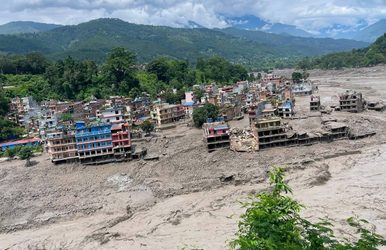
A massive and sudden Bhote Koshi flood struck Rasuwa district on August 26, 2026, after an unusually large surge of
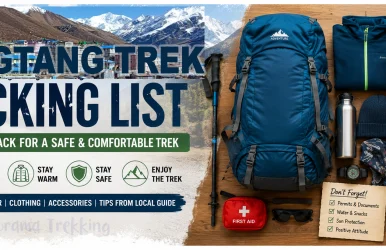
Langtang Valley Trek Packing List Planning to trek in the beautiful Langtang region? One of the most common questions trekkers


Loading please wait...