


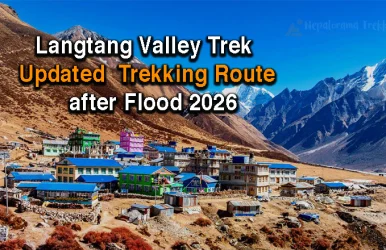
Langtang Valley Trek After Flood follows an alternative route via Thulo Syabru after the August 2026 flash flood. The Bhotekoshi

Team Nepalorama

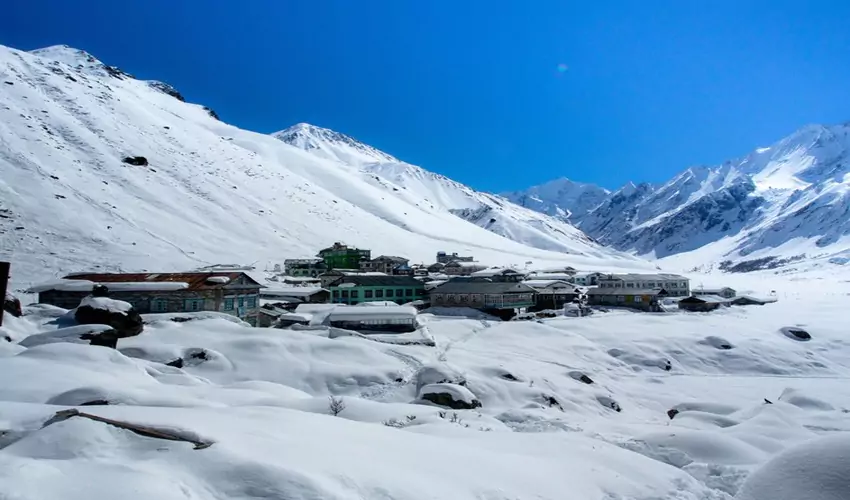
The Langtang Valley Trek in Winter is a peaceful and breathtaking Himalayan journey perfect for trekkers who love snow-covered landscapes and fewer crowds. It is Located north of Kathmandu near the Tibetan border, the Langtang region offers stunning mountain views, frozen rivers, alpine forests, and traditional Tamang culture. Winter (December, January, and February) transforms the valley into a magical white paradise.
Langtang Valley treks offers completely different experience compared to peak season in Winter. From Kyanjin Gompa to views of Langtang Lirung, winter provides crystal-clear mountain panoramas almost every morning.
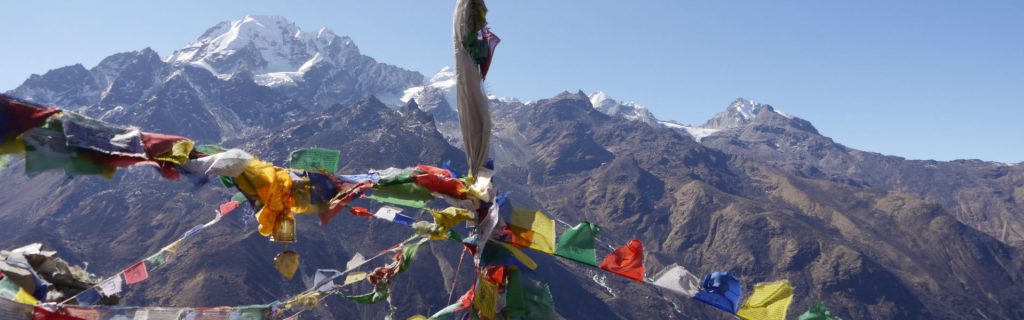
The main Reasons to Trek in Winter:
December marks the beginning of winter in Langtang. The trails become quieter, the skies clearer, and the mountains appear sharper against the deep blue Himalayan backdrop. It is one of the best months for trekkers who want to experience winter beauty without facing the harshest cold of January.
What we Expect in Langtang Valley trek on December:
December is ideal for trekkers who want winter scenery without extreme cold.
January is the coldest month in Langtang Valley, transforming the region into a true winter wonderland. Snow blankets the trails, the mountains look sharper than ever, and the trekking route becomes incredibly peaceful. However, this month demands proper preparation and winter trekking experience.
What to Expect in January:
January is perfect for experienced trekkers who enjoy snow adventures and solitude.
February signals the gradual end of peak winter in Langtang Valley. While snow still decorates the upper trails, temperatures begin to rise slightly, making trekking more comfortable compared to January. This month offers a beautiful mix of winter scenery and improving trail conditions.
What to Expect in February:
February offers a balance between winter beauty and slightly comfortable weather.
Winter weather in Langtang Valley (December to February) is generally dry, cold, and clear. Skies are often bright blue, offering excellent mountain visibility, but temperatures drop significantly at night—especially above 3,000 meters near Kyanjin Gompa.
| Month | Day Temperature | Night Temperature |
| December | 5°C to 10°C | -5°C to -10°C |
| January | 0°C to 8°C | -10°C to -15°C |
| February | 5°C to 12°C | -5°C to -10°C |
Weather is generally dry with minimal rainfall but frequent snowfall at higher elevations.
The section between Langtang Village and Kyanjin Gompa can be the most challenging during winter due to:
Proper acclimatization and physical preparation are essential.
The section between Langtang Village and Kyanjin Gompa is considered the most challenging part of the Langtang Valley Trek in winter. Harsh winter conditions make this segment physically demanding and require careful planning.
How to Prepare for Langtang Valley Trek in Winter
1. Physical Preparation
To handle cold, snow, and high altitudes, your body needs to be well-prepared.
Recommended Training:
Tip: Start physical preparation at least 4–6 weeks before the trek.
2. Gear Preparations (Essential Gear)
Winter trekking in Langtang requires specialized gear to stay warm and safe.
Essential Items:
Tip: Layering is the key; wear multiple layers to regulate body temperature effectively.
3. Trekking Permits
Before starting the trek, ensure all permits are arranged.
These can be obtained in Kathmandu at trekking agencies or government offices.
4. Guide / Porter(highly recommended)
Hiring a licensed guide or porter is highly recommended for winter trekking in Nepal, especially in high-altitude regions like the Everest Region and Langtang Valley. Winter conditions in the Himalayas can be unpredictable, with snow-covered trails, sudden weather changes, and increased risk of altitude sickness. A professional guide ensures safe navigation, emergency support, proper acclimatization management, and valuable local knowledge about routes and teahouses, while also providing cultural insights. Hiring a porter reduces physical strain by carrying heavy backpacks, allowing trekkers to conserve energy and enjoy a safer, more comfortable high-altitude trekking experience. For winter treks, guide and porter services significantly improve safety, confidence, and overall journey quality.
5. Transportation
Transportation from Kathmandu to Syabrubesi is typically by jeep or local bus and takes approximately 7–8 hours. During winter, road conditions can be affected by fog, cold temperatures, and occasional delays, especially in hilly sections along the Langtang Highway. For better comfort, flexibility, and reliability in winter, hiring a private jeep is highly recommended, as it provides safer travel and reduces the risk of unexpected disruptions on the way to Syabrubesi.
6. Trek with a Reliable Trekking Company
Choosing a professional and reliable trekking company like Nepalorama Trekking ensures a safe, well-managed, and stress-free winter trekking experience in Nepal. Winter conditions demand proper safety management, clear emergency evacuation planning, experienced winter guides, and well-arranged quality accommodation throughout the route. A trusted company prepares for unpredictable weather, altitude challenges, and logistical coordination, giving trekkers confidence and peace of mind. During winter treks in regions such as the Langtang Valley or Everest Region, reliability and safety matter far more than price.
Main Risks:
Precautions:
Essential Safety Measures:
The Langtang Valley in winter offers breathtaking, uninterrupted mountain views under clear blue skies. Trekkers can enjoy stunning panoramas of Langtang Lirung, Yala Peak, and the majestic Ganesh Himal range. Snow-covered forests, frozen streams, and white alpine meadows create a magical Himalayan atmosphere, making winter trekking in Langtang a peaceful and visually spectacular experience.
The Langtang Valley is one of the best destinations for winter trekking in Nepal due to its moderate altitude compared to other high Himalayan routes, making it more manageable in colder months. With a shorter duration of 7–10 days and easy road access from Kathmandu, it is ideal for trekkers with limited time. The trail is safe, well-established, and supported by a strong local teahouse culture, ensuring comfortable accommodation even in winter. Langtang Valley Trek in winter is perfect for adventurers seeking snowy landscapes, peaceful trails, clear mountain views, and an authentic Himalayan experience away from crowded routes.
If you are looking for a winter trekking adventure with clear mountain views, less crowd, and unforgettable snow landscapes, the Langtang Valley Trek is an excellent choice.
Whether in December, January, or February, winter trekking in Langtang offers raw Himalayan beauty, peaceful trails, and a truly authentic mountain journey.
Winter trekking in Langtang is best from December to February when the skies are clear and the mountains are covered in snow.
Yes, the trek has moderate altitude, short duration, and well-established trails, making it beginner-friendly even in winter conditions.
Most winter itineraries range from 7 to 10 days, depending on acclimatization and pace.
Hiring a licensed guide and porter is highly recommended for winter to handle snow-covered trails, navigation, and emergencies.
Trekkers enjoy panoramic views of Langtang Lirung, Yala Peak, and Ganesh Himal Range, along with snow-covered forests and alpine meadows.
Teahouses along the route provide warm lodging and meals. Booking in advance is recommended due to fewer tourists in winter.
Warm clothing, down jackets, trekking boots, thermal layers, gloves, hats, sunglasses, and trekking poles are essential for winter trekking.
The trek starts at Syabrubesi, accessible by private jeep or bus from Kathmandu (7–8 hours). Private jeeps are more reliable in winter fog.
Yes, it is safe with proper preparation, experienced guides, and awareness of winter hazards like snow and cold temperatures.
Wildlife sightings are limited in winter due to snow, but you may still see Himalayan birds, red pandas, and other native species.

Krishna is the Managing Director of our unique Nepal trekking company – Nepalorama Trekking. He has over 20 years of trekking experience in Nepal and has been guiding treks since 2010. He’s well known for his warm sense of humour and cheeky smile. Nepalis are understandably proud of their beautiful country and Krishna is no exception!
Read more Articles by this Author
Langtang Valley Trek After Flood follows an alternative route via Thulo Syabru after the August 2026 flash flood. The Bhotekoshi
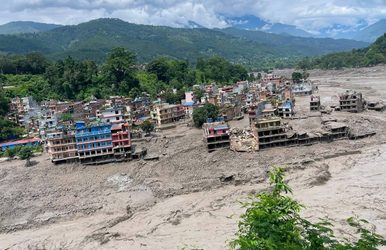
A massive and sudden Bhote Koshi flood struck Rasuwa district on August 26, 2026, after an unusually large surge of
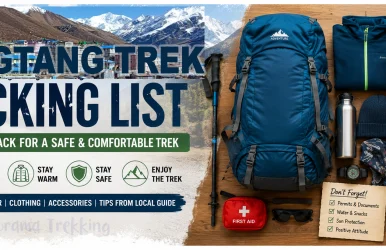
Langtang Valley Trek Packing List Planning to trek in the beautiful Langtang region? One of the most common questions trekkers


Loading please wait...