


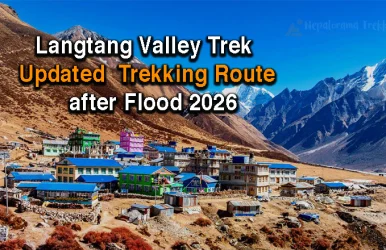
Langtang Valley Trek After Flood follows an alternative route via Thulo Syabru after the August 2026 flash flood. The Bhotekoshi


Team Nepalorama

Are you planning a Mardi Himal Trek from Pokhara? This trek is one of the best short treks in Nepal, offering stunning views of Machapuchare (Fishtail), Annapurna South, and Himalchuli. If you’re preparing for the Mardi Himal Trek, one of the most important things to plan for is the weather. In the mountains, conditions can shift in minutes—sunshine can turn to rain, and warm trails can quickly become chilly, windy ridges. Packing the right clothing isn’t just about comfort—it’s about safety and enjoying every step of your 5-day or 6-day Mardi Himal itinerary. Whether you’re trekking in autumn, spring, or even winter, this essential Mardi Himal trek packing list will help you stay prepared.
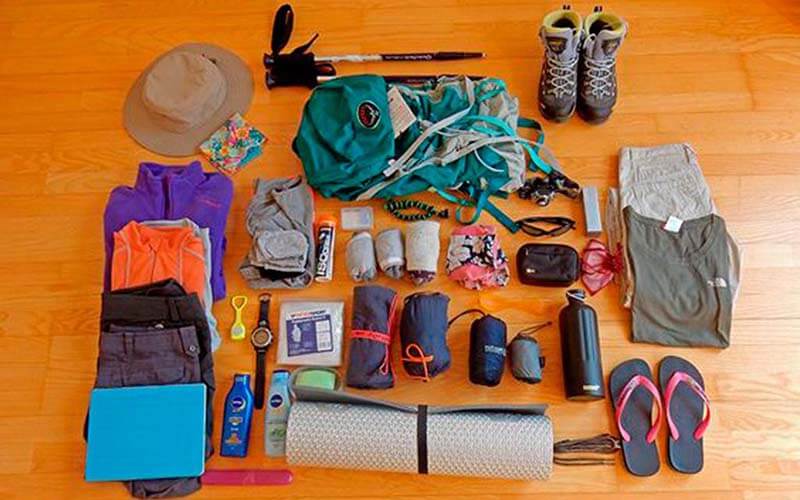
Your 3-Layer System for Mardi Himal :The key to staying comfortable in changeable mountain weather is layering. This system lets you adapt quickly without carrying too much.
You’ve chosen your boots and layered your clothing — but what goes in your backpack each day? Carrying the right items within easy reach can make your trek safer, more comfortable, and way more enjoyable. Whether you’re trekking independently or with a porter, here’s what should always be in your daypack on the Mardi Himal trail.
1. Your Trusty Daypack
Whether it’s a 20–30 liter pack you carry yourself or a smaller daypack used while a porter carries your main bag, this is your on-trail lifeline. Choose one with comfortable straps, easy-access pockets, and enough space for your daily essentials without being too bulky.
2. Hydration System: Water Is Key
At high altitude, dehydration happens fast. Carry at least 2–3 liters of water daily. You can use:
3. Snacks for Sustained Energy
Trailside teahouses are wonderful, but between meals or during a steep climb, your energy can dip. Pack high-calorie, lightweight snacks like:
4. Sleeping Bag: Better Safe
While most Mardi Himal teahouses provide blankets, they can be thin, and rooms aren’t heated. A lightweight, season-appropriate sleeping bag (comfort rated to at least -5°C / 23°F) ensures a warm, hygienic, and cozy night’s sleep after a long day of trekking. It’s one of the most important items for comfort at altitude.
While the mountains provide the adventure, it’s the small personal items in your pack that make the journey comfortable, safe, and healthy. The high-altitude environment demands extra attention to protection and hygiene. Here’s what you shouldn’t leave behind.
At high altitudes, the sun’s rays are intense and UV exposure is significantly stronger.
High-SPF Sunscreen (50+): Apply generously and frequently to all exposed skin, including ears, neck, and the back of your hands.
Lip Balm with SPF: Chapped, sunburned lips are a common trekker’s ailment. A moisturizing, protective balm is essential.
UV-Blocking Sunglasses: Essential to prevent snow blindness (photokeratitis) on snowy sections and to protect your eyes from glare and dust. Wrap-around styles offer the best protection.
Hygiene goes a long way in maintaining health and comfort.
Essentials: Biodegradable soap, a quick-dry towel, toothbrush, and toothpaste.
Wet Wipes: For a refreshing “mountain shower” when hot water isn’t available.
Toilet Paper: Carry a partial roll or pack of tissues in a zip-lock bag. Teahouses often charge for it, and it’s not always available on the trail.
Hand Sanitizer: Use before every meal and after bathroom visits. Good hygiene is your first defense against common stomach bugs.
A personalized first-aid kit is crucial. Along with basics (band-aids, antiseptic, blister treatment), include:
Altitude Sickness Medication: Consult your doctor about carrying Acetazolamide (Diamox).
General Meds: Pain relievers (Ibuprofen/Paracetamol), anti-diarrheal tablets, antihistamines for allergies, and any personal prescription medications.
Rehydration Salts: Useful for recovery if you experience dehydration or stomach issues.
Use this list to ensure nothing is forgotten:
Clothing:
Gear:
Personal:
Documents:
Not necessarily. A lightweight down jacket or fleece, combined with proper layering (base + mid + waterproof shell), is usually sufficient. Mornings and evenings at higher camps (like Mardi Himal Base Camp) can be cold, but you won’t typically need expedition-level winter gear unless trekking in deep winter (December–January).
Yes, Pokhara has many shops where you can rent trekking gear such as sleeping bags, down jackets, trekking poles, and duffel bags. It’s a good option if you don’t want to buy or carry everything. However, do not rent hiking boots—always wear your own broken-in pair to avoid blisters.
Yes, it’s highly recommended. While many teahouses offer blankets, they can be thin, inconsistently available, and not always freshly washed. A lightweight sleeping bag (rated to at least -5°C/23°F) ensures warmth, hygiene, and a better night’s sleep.
Plan for 2–3 liters per day. You can refill at teahouses along the trail, but always treat water using purification tablets, a filter, or UV sterilizer. Staying hydrated is key, especially as you gain altitude.
They are optional but helpful in certain conditions:
Recommended for: Winter treks (snow), spring (mud), or if rain is expected.
Not essential for: Dry autumn conditions.
If you’re prone to getting debris in your boots or want extra protection, lightweight gaiters are a smart add-on.
Bring high-energy, lightweight snacks such as:
Nuts, trail mix, energy bars
Chocolate or dried fruit
Electrolyte tablets
You can also buy snacks in Pokhara or at teahouses, but selection may be limited and more expensive higher up the trail.
Yes. While some teahouses sell it, it’s not always available on the trail. Carry a partial roll or pack of travel tissues in a zip-lock bag, and always dispose of used paper properly (use waste bins, not the trail).
Consult your doctor before the trek. Many trekkers carry Acetazolamide (Diamox) to help prevent altitude sickness. Also pack a basic first-aid kit with pain relievers, anti-diarrheals, blister care, and any personal prescriptions.
Yes, but power access is limited and often costs extra (NPR 200–500 per charge). Bring a power bank (10,000–20,000 mAh) to keep your phone, camera, and headlamp charged between teahouses.
A packable daypack rain cover (or a heavy-duty plastic bag) and extra zip-lock bags to keep gear dry. Sudden rain is common, and protecting your layers, electronics, and documents is crucial.
A: Avoid:
Unnecessary heavy items (hardcover books, excess clothing)
Single-use plastic bottles (use refillable ones instead)
Valuables or excessive jewelry
Denim jeans (they take forever to dry and offer no insulation when wet)
If you’re carrying all your gear yourself, a 40-50 liter backpack is ideal. If you hire a porter, bring a small 20-30 liter daypack for daily essentials and a duffel bag for the porter to carry. Look for comfortable shoulder straps, a hip belt, and waterproof material or a rain cover.
Bring 4-5 pairs of quality moisture-wicking trekking socks (wool or synthetic blend). This allows you to rotate pairs, keep feet dry, and always have a fresh pair for sleeping. Consider lightweight sock liners to prevent blisters.
Highly recommended. The trail has steep ascents and descents, rocky sections, and can be slippery. Poles reduce knee strain, improve balance, and help with river crossings. Collapsible poles are easiest to pack.
Nepal uses 230V/50Hz electricity with Type C, D, and M sockets (round pins). A universal travel adapter is useful. Note that power outlets in teahouses are often limited and may only be available in dining areas.
Not recommended. The Mardi Himal route is primarily a teahouse trek, meaning meals and hot drinks are provided at lodges. Carrying stove fuel is unnecessary unless you are on a specialized camping expedition. Most independent trekkers do not bring stoves.
Yes, one of these is essential. Purification tablets (iodine or chlorine dioxide) are lightweight and effective. A portable water filter (like a Sawyer Squeeze) is reusable and removes bacteria/protozoa. Boiled water is also available for purchase at teahouses.
Absolutely. Electricity in teahouses is unreliable and paid per device. A 10,000–20,000 mAh power bank can recharge your phone, headlamp, and camera multiple times. Solar-powered chargers are less effective due to variable weather.
Beyond basics, prioritize:
Blister care (moleskin, Compeed)
Diamox for altitude (consult doctor)
Anti-diarrheal & rehydration salts
Pain/fever relievers
Antibacterial cream & bandages
Yes, most hotels and guesthouses in Pokhara offer free luggage storage for guests. Many trekking agencies also provide storage for a small fee. It’s safe to leave non-essential items behind.
Comfort is key. Wear lightweight, breathable clothing and keep a jacket accessible. Consider wearing your hiking boots during transit to save space, or pack them and wear comfortable trainers.
A small book, journal, or downloaded podcasts/movies on your phone can be nice for relaxing evenings. Wi-Fi is limited and slow, so don’t rely on streaming.
Use a waterproof document pouch or zip-lock bags. Always carry printed copies of your passport, permits, and insurance separately from originals.
Yes, Kathmandu has many trekking shops (especially in Thamel), but Pokhara is more convenient if you’re flying or bussing directly there before the trek. Prices and quality are similar.

Krishna is the Managing Director of our unique Nepal trekking company – Nepalorama Trekking. He has over 20 years of trekking experience in Nepal and has been guiding treks since 2010. He’s well known for his warm sense of humour and cheeky smile. Nepalis are understandably proud of their beautiful country and Krishna is no exception!
Read more Articles by this Author
Langtang Valley Trek After Flood follows an alternative route via Thulo Syabru after the August 2026 flash flood. The Bhotekoshi
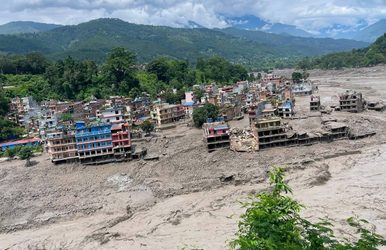
A massive and sudden Bhote Koshi flood struck Rasuwa district on August 26, 2026, after an unusually large surge of
Langtang Valley Trek Packing List Planning to trek in the beautiful Langtang region? One of the most common questions trekkers


Loading please wait...