



Langtang Valley Trek After Flood follows an alternative route via Thulo Syabru after the August 2026 flash flood. The Bhotekoshi


Team Nepalorama

Nepal is a land of majestic mountains, serene valleys, and rich cultural heritage. Among its many hidden treasures, mad honey hunting stands out as one of the most thrilling and culturally immersive adventures for travelers seeking something beyond traditional trekking. This ancient practice is both an art and a daring feat, deeply rooted in the traditions of Himalayan communities.

Mad honey, known locally in Nepal as “Dhidha Madhu,” is a rare and unique type of honey that comes from the hives of Himalayan cliff bees, scientifically called Apis laboriosa. Unlike ordinary honey, mad honey contains special compounds called grayanotoxins. These compounds can cause mild hallucinations or a feeling of light intoxication if someone consumes too much.
For centuries, the indigenous communities of Nepal have carefully harvested this honey, not just for its taste but also for its medicinal value. Locals believe it can help with digestive problems, high blood pressure, and even enhance sexual health.
What makes mad honey truly special is where it grows. It is found naturally in remote, high-altitude areas of the Himalayas, often on steep cliffs and rugged mountain terrain. Collecting it is no easy task—it requires courage, skill, and deep knowledge passed down through generations. This combination of rarity, natural beauty, and daring collection makes mad honey one of Nepal’s most fascinating treasures.
Mad honey hunting has been a part of life in Nepal for hundreds of years, especially in remote districts like Jumla, Dolpa, Rukum, Bajhang, and Humla. The hunters, called “Madhu Pahari,” climb steep cliffs without modern safety gear to collect this rare honey, risking their lives for this valuable treasure.
Mad honey hunting is more than just an adventure—it is closely connected to local culture:
Mad honey hunting is not an activity for the faint-hearted. It is a thrilling adventure that requires bravery, skill, and a deep understanding of nature. Every step of the hunt involves risks, but for those who take part, it is an unforgettable experience.
Climbing Steep Cliffs
One of the most challenging parts of mad honey hunting is climbing the cliffs where the bees build their hives. These cliffs can be 200 to 300 feet high, and hunters use bamboo ladders, ropes, and very little safety equipment. The bee hives are often hidden in narrow cracks and ledges, which means hunters must maintain perfect balance and move carefully to avoid falling.
Facing the Bees
The Himalayan cliff bees are much larger and more aggressive than ordinary bees. Hunters wear minimal protective gear, so they must be very careful. They use smoke to calm the bees and make gentle, precise movements to avoid being stung. This part of the hunt requires patience, focus, and respect for the bees’ natural behavior.
Seasonal Timing
Timing is crucial in mad honey hunting. The best seasons are spring (March–April) and autumn (September–October). During these times, the bees are most active, and the honey is at its sweetest and most potent. Attempting the hunt outside these seasons can be dangerous and often unsuccessful.
Local Guidance
No one should attempt mad honey hunting alone. Travelers and visitors must always go with experienced local hunters. These experts know the cliffs, the bees’ behavior, and the proper techniques for harvesting the honey safely. They not only ensure safety but also share fascinating stories and knowledge about the tradition and cultural importance of mad honey hunting. The combination of steep climbs, wild bees, precise timing, and local expertise makes mad honey hunting a unique adventure that is both exciting and deeply connected to Nepal’s Himalayan culture.
Nepal is home to several remote regions where mad honey hunting has been practiced for centuries. Each location offers a unique adventure, combining stunning landscapes with the thrill of harvesting this rare honey.
1. Jumla
Jumla is often called the “Capital of Mad Honey.” This district is famous for its annual honey hunting expeditions and local festivals that celebrate the honey harvest. The combination of traditional practices and breathtaking views makes Jumla a top destination for anyone interested in experiencing mad honey hunting.
2. Dolpa
Dolpa offers a truly remote and untouched experience. The cliffs here rise dramatically against the Himalayan skyline, creating a perfect home for the Himalayan cliff bees. Hunting honey in Dolpa is not just an adventure—it’s an opportunity to witness pristine natural beauty and learn from local traditions.
3. Rukum and Bajhang
Rukum and Bajhang are well-known for their wild cliff honey and traditional honey hunting techniques. The hunters here have passed down their skills through generations, making these districts a great place to observe ancient methods of collecting mad honey safely.
4. Humla
Humla is one of the most challenging regions for mad honey hunting due to its high altitude and rugged terrain. The landscapes here are dramatic, with steep cliffs and deep valleys, offering both risk and reward for those brave enough to undertake the hunt.
Mad honey hunting is an exciting adventure, but it can also be very dangerous if proper precautions are not taken. To ensure a safe and enjoyable experience, travelers should follow these important safety tips:
If you’re in Nepal, buying directly from local honey hunters can be more cost-effective. However, ensure the product’s authenticity and purity.
For adventure lovers, joining a mad honey hunting expedition in Nepal is truly a once-in-a-lifetime experience. It is not just about collecting honey—it is a journey filled with excitement, culture, and breathtaking scenery.

The ideal seasons are spring (March–April) and autumn (September–October) when the honey is ready and bees are most active.
Yes, tourists can join guided expeditions with experienced local hunters, which ensures both safety and cultural learning.
Prices vary, but locally it can cost around NPR 2,000 per liter. Premium honey can go up to NPR 40,000 per kilogram depending on quality.
It is a centuries-old tradition, celebrated in festivals, used for medicinal and spiritual purposes, and passed down through generations of honey hunters.
Yes, but only in small, controlled amounts. Overconsumption can cause dizziness, nausea, or other side effects due to its natural toxins.
Locals use it for medicinal purposes, including digestive issues, high blood pressure, and as a traditional remedy for sexual health
It usually takes 1–3 days, depending on the location, weather, and the number of hives to harvest.
It is produced by Himalayan cliff bees in remote, high-altitude areas. The difficult terrain, seasonal availability, and limited hives make it extremely rare.

Krishna is the Managing Director of our unique Nepal trekking company – Nepalorama Trekking. He has over 20 years of trekking experience in Nepal and has been guiding treks since 2010. He’s well known for his warm sense of humour and cheeky smile. Nepalis are understandably proud of their beautiful country and Krishna is no exception!
Read more Articles by this Author
Langtang Valley Trek After Flood follows an alternative route via Thulo Syabru after the August 2026 flash flood. The Bhotekoshi
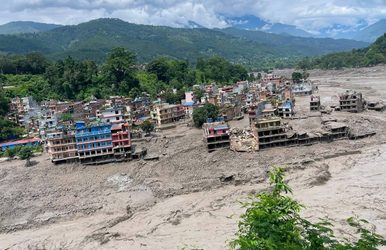
A massive and sudden Bhote Koshi flood struck Rasuwa district on August 26, 2026, after an unusually large surge of

Langtang Valley Trek Packing List Planning to trek in the beautiful Langtang region? One of the most common questions trekkers


Loading please wait...