


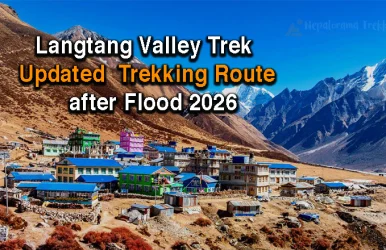
Langtang Valley Trek After Flood follows an alternative route via Thulo Syabru after the August 2026 flash flood. The Bhotekoshi

Team Nepalorama

The Langtang Valley Trek is one of Nepal’s most popular trekking routes, offering beautiful landscapes, traditional villages, and stunning Himalayan views. Weather plays a key role in planning your trek, as it affects trail conditions, visibility, and safety. Here is a detailed comparison of Langtang trek weather conditions across different months to help you choose the best time to visit the Langtang Valley.
Spring (March – May)
Spring is the most popular season for trekking in Langtang. With mild temperatures and blooming rhododendron forests, the Langtang climate guide shows clear skies and excellent mountain views. Rainfall is light, trails are mostly dry, and visibility is high. This season is ideal for trekkers who want moderate Langtang temperature and minimal Langtang rainfall.
| Weather Factor | Details |
| Temperature | 5 – 20°C (cool to warm) |
| Rainfall | 20 – 80 mm (light showers possible) |
| Snow | Rare at lower altitudes; possible on high trails |
| Humidity | Moderate |
| Wind | Light to moderate |
| Trail Conditions | Mostly dry, good for trekking |
| Visibility | Clear skies, excellent views of mountains |
| Daylight Hours | 11 – 13 hours |
Summer / Monsoon (June – August)
During the monsoon, the Himalayan trek weather in Langtang becomes challenging. Heavy Langtang rainfall makes trails slippery, visibility is limited, and humidity is high. This season is not recommended for trekking due to the risk of landslides and wet trail conditions.
| Weather Factor | Details |
| Temperature | 17 – 22°C (warm, humid) |
| Rainfall | 250 – 300 mm (heavy rainfall, frequent showers) |
| Snow | Rare, only at very high altitudes |
| Humidity | High |
| Wind | Moderate, occasionally strong during storms |
| Trail Conditions | Slippery, muddy, challenging for trekking |
| Visibility | Poor, clouds and fog common |
| Daylight Hours | 12 – 13 hours |
Autumn (September – November)
Autumn is another excellent season for trekking in Langtang Valley. The Langtang climate guide shows clear skies, moderate temperatures, and dry trails. With low Langtang rainfall, this is considered the best time for Langtang trek. Mountain views are at their best, and trekkers enjoy stable Langtang temperature and comfortable hiking conditions.
| Weather Factor | Details |
| Temperature | 10 – 20°C (cool and pleasant) |
| Rainfall | 15 – 120 mm (mostly dry after monsoon) |
| Snow | Possible at high altitudes, rare in valleys |
| Humidity | Moderate |
| Wind | Light |
| Trail Conditions | Dry, ideal trekking trails |
| Visibility | Clear skies, stunning mountain views |
| Daylight Hours | 11 – 12 hours |
Winter (December – February)
Winter in Langtang is cold, especially at higher altitudes, with occasional snow on trails. The Langtang Trek weather is dry with minimal Langtang rainfall, and visibility is often excellent. Trekkers who prefer fewer crowds and crisp mountain air can enjoy a peaceful trek, though warm clothing is essential due to low Langtang temperature.
| Weather Factor | Details |
| Temperature | 0 – 12°C (cold, especially at night) |
| Rainfall | 10 – 15 mm (mostly dry) |
| Snow | Likely at high altitudes; possible in valleys |
| Humidity | Low |
| Wind | Moderate, cold winds at higher altitudes |
| Trail Conditions | Dry in lower areas; icy or snowy at higher elevations |
| Visibility | Clear, crisp skies on most days |
| Daylight Hours | 10 – 11 hours |
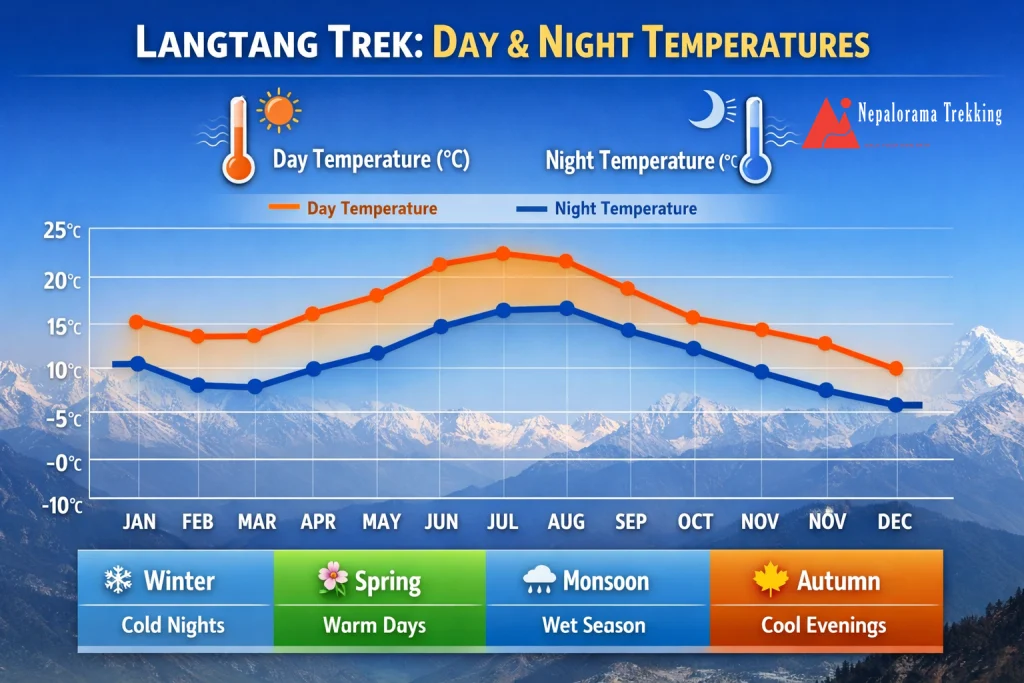
| Month | Day Temperature (°C) | Night Temperature (°C) | Notes |
|---|---|---|---|
| January | 6 – 10 | -4 – 0 | Cold, possibility of snow at higher altitudes |
| February | 8 – 12 | -2 – 2 | Cool and mostly dry |
| March | 12 – 15 | 2 – 5 | Spring starts, ideal trekking temperatures |
| April | 15 – 18 | 5 – 8 | Pleasant days, clear skies, flowers blooming |
| May | 18 – 20 | 8 – 12 | Warmer days, occasional rainfall |
| June | 20 – 22 | 12 – 15 | Monsoon begins, humid and rainy |
| July | 19 – 21 | 11 – 14 | Heavy rainfall, slippery trails |
| August | 18 – 21 | 10 – 13 | Monsoon continues, cloudy and humid |
| September | 16 – 20 | 8 – 12 | Post-monsoon, moderate temperatures |
| October | 15 – 18 | 5 – 10 | Autumn, clear skies, perfect trekking conditions |
| November | 12 – 15 | 2 – 6 | Cool days, crisp mountain views |
| December | 6 – 10 | -3 – 1 | Cold, occasional snow at high altitudes |
The Langtang trek weather varies by season. Spring and autumn offer mild temperatures, clear skies, and minimal rainfall, making trekking comfortable. Monsoon brings heavy rain and slippery trails, while winter can be cold with occasional snow at higher altitudes.
The best time for Langtang trek is during Spring (March–May) and Autumn (September–November). During these seasons, the Langtang climate guide shows dry trails, stable Langtang temperature, and excellent visibility of the Himalayan peaks.
Nepal trekking seasons greatly influence trail conditions and safety. Spring and autumn provide ideal conditions for trekking in Langtang Valley, while summer/monsoon has heavy Langtang rainfall, and winter can bring snow and colder temperatures.
The Langtang temperature varies:
Spring & Autumn: 5 – 20°C (comfortable for trekking)
Summer/Monsoon: 17 – 22°C (warm and humid)
Winter: 0 – 12°C (cold, especially at night)
Langtang rainfall is light in spring and autumn (15–80 mm), making trails easier to navigate. During the monsoon (June–August), rainfall can reach 250–300 mm, causing slippery paths and limited visibility. Winter is generally dry, with minimal rain.
Himalayan trek weather in Langtang includes rapid changes in temperature and possible snow at high altitudes. Always check forecasts and be prepared with layered clothing, rain gear, and proper trekking equipment.
Yes, but it is challenging. Winter offers fewer crowds and clear skies but requires warm clothing due to low Langtang temperature. Monsoon brings heavy Langtang rainfall, muddy trails, and clouded views, so trekking is not recommended unless experienced.
Check the Langtang climate guide before planning:
Spring & Autumn: Light to moderate clothing, trekking shoes, sun protection.
Summer: Waterproof gear, trekking poles, and insect repellent.
Winter: Heavy jackets, gloves, and insulated boots for snow.

Krishna is the Managing Director of our unique Nepal trekking company – Nepalorama Trekking. He has over 20 years of trekking experience in Nepal and has been guiding treks since 2010. He’s well known for his warm sense of humour and cheeky smile. Nepalis are understandably proud of their beautiful country and Krishna is no exception!
Read more Articles by this Author
Langtang Valley Trek After Flood follows an alternative route via Thulo Syabru after the August 2026 flash flood. The Bhotekoshi
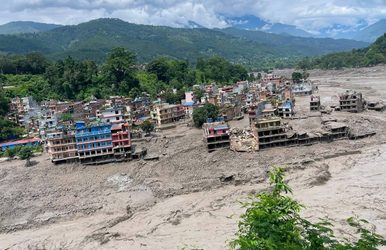
A massive and sudden Bhote Koshi flood struck Rasuwa district on August 26, 2026, after an unusually large surge of
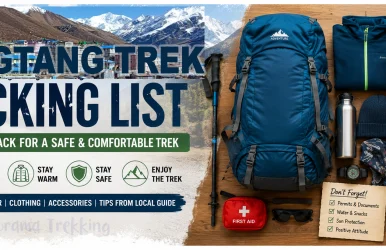
Langtang Valley Trek Packing List Planning to trek in the beautiful Langtang region? One of the most common questions trekkers


Loading please wait...