


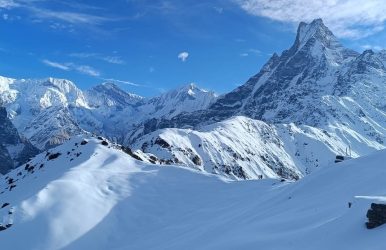
The Mardi Himal Trek is one of the most beautiful short trekking adventures in Nepal's Annapurna region. It offers incredible

Team Nepalorama

The Mardi Himal Trek is a moderately challenging trekking route in Nepal’s Annapurna region. It is a good option for beginners and experienced hikers who want to explore beautiful mountain landscapes without committing to a long Himalayan expedition. However, the steep uphill trails, stone steps, changing weather and high altitude can make the journey physically demanding.
If you are planning this adventure, understanding the Mardi Himal Trek difficulties will help you prepare properly and enjoy the journey with confidence.
The Mardi Himal Trek is generally classified as a moderate trek. You do not need technical climbing skills, ropes or mountaineering experience, but you should be comfortable walking uphill for several hours each day.
The trek usually involves around 4–7 hours of walking daily, depending on your itinerary, walking speed and starting point.
The highest overnight stop is generally High Camp at approximately 3,550 metres, while the Mardi Himal Base Camp excursion reaches around 4,500 metres.
For beginners, the trek is achievable with reasonable fitness, proper preparation and a comfortable walking schedule.
Although the route is relatively short, some sections require extra physical effort.
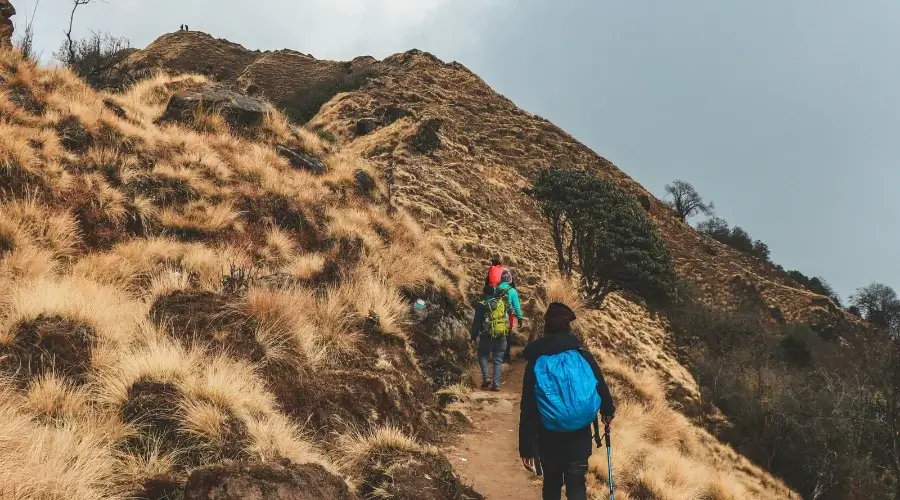
Steep uphill walking: The trail passes through forests, stone steps and mountain slopes. The continuous uphill sections can be tiring, particularly between Forest Camp, Low Camp and High Camp.
Long walking days: Walking for several hours on consecutive days can cause tiredness, especially for people who are not used to hiking.
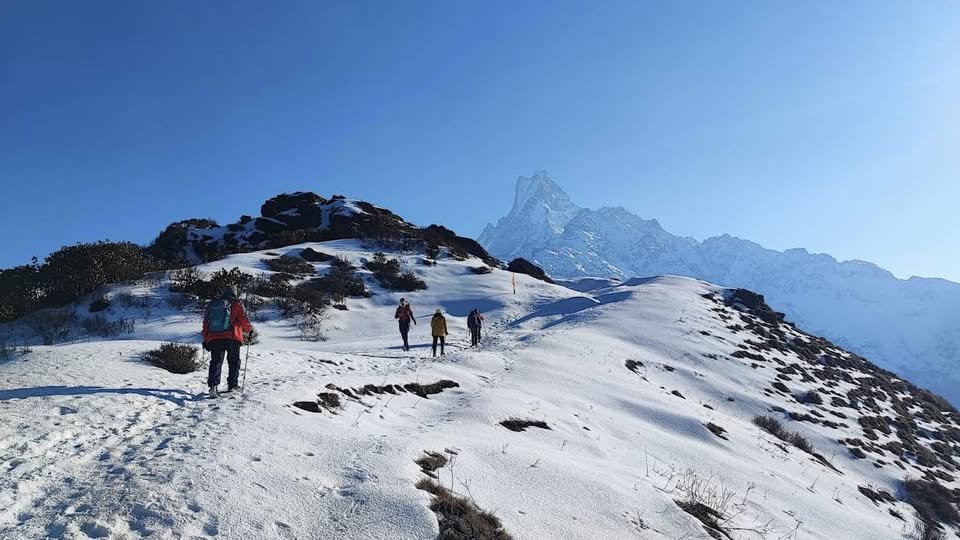
Narrow mountain ridges: Above High Camp, the trail becomes more exposed, with narrow sections and steep slopes. Good balance and careful walking are important.
High altitude: Reaching approximately 4,500 metres at Mardi Himal Base Camp means oxygen availability is lower than at sea level. Some trekkers may experience altitude-related symptoms.
Weather conditions: Rain, snow, strong winds, fog and cold temperatures can make the trail more challenging. Conditions can change quickly at higher elevations.
Not every section of the trek feels equally difficult. The following areas may require more effort:
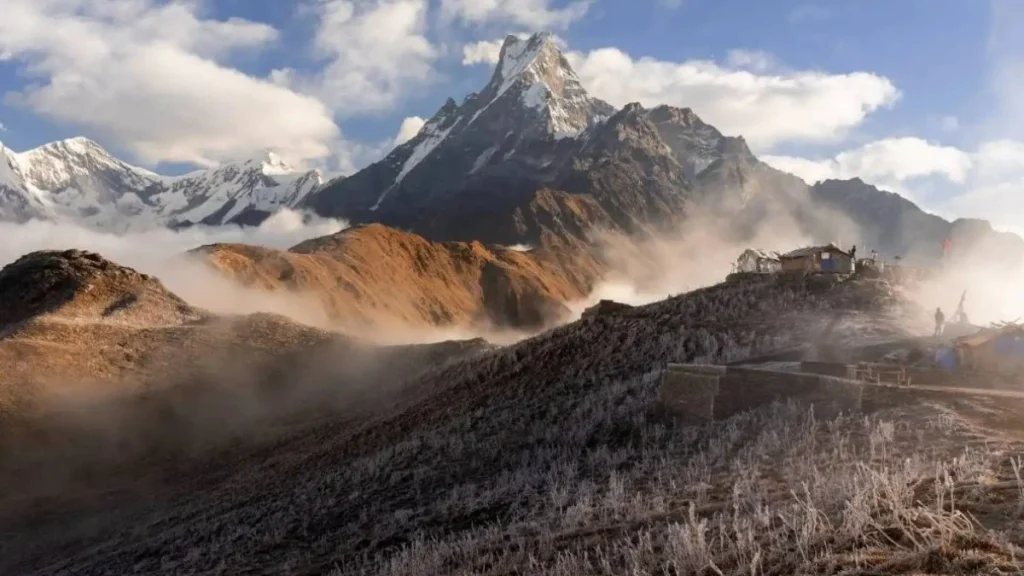
The Base Camp excursion is optional. Trekkers who do not feel comfortable continuing can enjoy the mountain views from High Camp or a suitable viewpoint instead.
Yes! Beginners can complete the Mardi Himal Trek if they have reasonable physical fitness and choose a suitable itinerary.
Previous trekking experience is helpful but not compulsory. However, people with a sedentary lifestyle should start preparing before arriving in Nepal.
You should be comfortable with:
If you are a first-time trekker, avoid rushing the itinerary. Allow enough time for rest, gradual altitude gain and enjoying the journey.
You do not need an advanced gym routine to prepare for this trek. Regular exercise for 4–6 weeks before departure can help improve your stamina and leg strength.
Walking and hiking: Start with 30–45 minutes of regular walking and gradually increase your distance. Include uphill routes whenever possible.
Stair climbing: Practise climbing stairs to strengthen your legs and prepare for the steep sections of the trail.
Cardio exercise: Cycling, jogging and swimming can improve cardiovascular endurance.
Leg strengthening: Squats, lunges, step-ups and calf raises help prepare your muscles for uphill walking and downhill descents.
Practice hiking: If possible, complete a few longer hikes with a small backpack before your trip.
Consistency is more important than intense exercise. Increase your training gradually and allow your body enough recovery time.
Having suitable trekking equipment makes the journey more comfortable and helps you deal with changing mountain conditions.
Some important items include:
Good footwear is particularly important because some forest trails and rocky sections can become slippery after rainfall or snowfall.
Yes. Although the Mardi Himal Trek is relatively short, its maximum elevation is around 4,500 metres. Altitude sickness can affect anyone, regardless of age or physical fitness.
Common symptoms include headache, nausea, dizziness, unusual tiredness and loss of appetite.
To reduce the risk:
If symptoms worsen, descend and seek medical assistance. Fitness alone does not prevent altitude sickness.
The Mardi Himal Trek is moderately challenging rather than technically difficult. Its main challenges are steep uphill walking, consecutive trekking days, exposed mountain ridges and increasing altitude.
With 4–6 weeks of basic fitness preparation, suitable trekking equipment and a well-planned itinerary, many beginners can enjoy this adventure.
At Nepalorama Trekking, we help trekkers choose a suitable itinerary according to their fitness, experience and travel schedule. Our local trekking team focuses on a comfortable pace, responsible trekking and guest safety throughout the journey.
Ready to explore the Annapurna mountains?
Explore our Mardi Himal Base Camp Trek or contact Nepalorama Trekking for itinerary and booking information.
WhatsApp/Call: +977-9849252021
Email: [email protected]

Krishna is the Managing Director of our unique Nepal trekking company – Nepalorama Trekking. He has over 20 years of trekking experience in Nepal and has been guiding treks since 2010. He’s well known for his warm sense of humour and cheeky smile. Nepalis are understandably proud of their beautiful country and Krishna is no exception!
Read more Articles by this Author
The Mardi Himal Trek is one of the most beautiful short trekking adventures in Nepal's Annapurna region. It offers incredible
Are you planning to explore the beautiful Annapurna region of Nepal but have limited time? The Mardi Himal Trek is

Langtang Valley Trek After Flood follows an alternative route via Thulo Syabru after the August 2026 flash flood. The Bhotekoshi


Loading please wait...